
Lieferung heute & morgen

Qualitätsgarantie

Willkommens-Angebote freischalten: KOSTENLOSE Lieferung | Bis zu 80 % RABATT | Kostenlose 30-Tage-JoyPlus-Testphase
App herunterladen
A ratchet and socket set needs to work reliably for car repairs, furniture assembly, bike maintenance or general DIY tasks around the home. In practice, however, the number of pieces listed isn't the only factor that determines how useful a set will be. A large ratchet case can contain sizes you'll never use, while a compact set might be the smarter choice for certain jobs.
The most common buying pitfalls come down to three typical traps:
With a metric socket set, the drive sizes are especially important. The common ones are:
Check before you buy whether the sockets included cover your actual needs. For many repairs in the UK and Europe, metric sizes such as 8, 10, 13, 17, 19 and 21 mm are relevant. A set with only small sockets isn't automatically suitable as a tool set for cars.
Hand tools are often described as being made from chrome vanadium steel (Cr-V) or similar steel alloys. More important than marketing terms are specific details about the material, workmanship and intended use. For bits, S2 steel may also be specified.
A ratchet with more teeth requires a smaller return angle. A model with 72 teeth and a stated swing angle of 5 degrees can be more practical in tight spaces than a coarser tooth design. Some 90-tooth mechanisms claim 4 degrees. These figures make working in confined areas easier, but they don't replace the right socket.
Also look out for:
A torque wrench is useful when bolts need to be tightened to a specified value. This applies, for example, to certain bike components or vehicle parts. A ratchet and socket set is no substitute for a calibrated torque tool.
For hard-to-reach spots, extension bars, universal joints and adapters come in handy. If you regularly work with Torx, E-Torx, hex or spark plug fasteners, check whether these profiles are included. A ratchet wrench set with plenty of standard sockets may be fine for furniture and general assembly work, but car repairs often require additional specialist attachments.
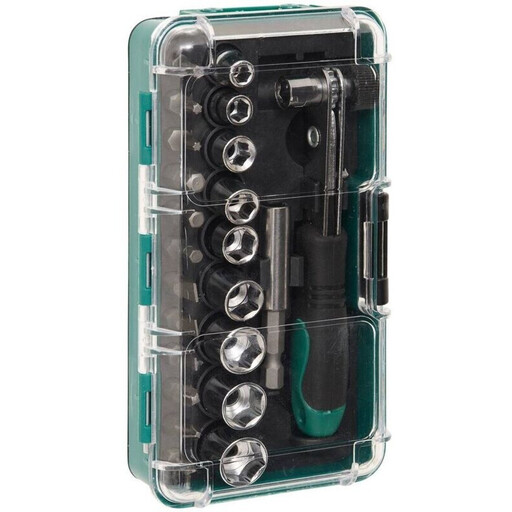
Why this product fits the profile: This compact set is aimed at users who need a portable kit for assembly, household tasks and minor repairs. It includes 11 bits, 9 sockets from 4 to 12 mm and a magnetic adapter.
The contents are clearly listed and the 1/4-inch drive size transparently defines its scope of use. This avoids giving the impression of a complete car tool set.
Low net weight of 0.375 kg, compact box and magnetic adapter for quick bit changes.
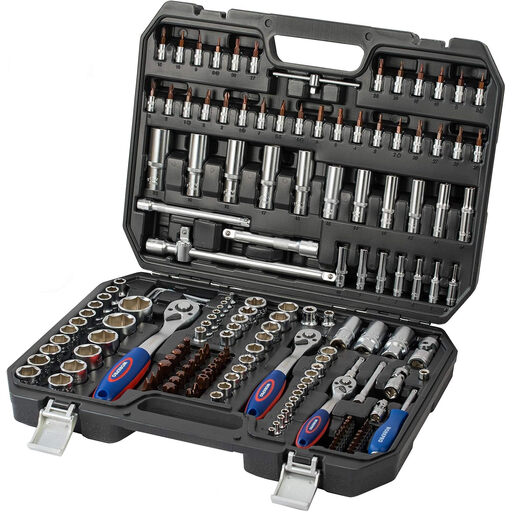
Why this product fits the profile: Three ratchets with 1/4-, 3/8- and 1/2-inch drives cover different load ranges. The set includes metric sockets, deep sockets, Torx attachments, bits, extensions and joints.
The three drive sizes and specific size ranges are clearly stated. This lets you check in advance whether the set suits your workshop and vehicle work.
172 pieces, 72-tooth ratchets, Cr-V steel for sockets and a moulded storage case.
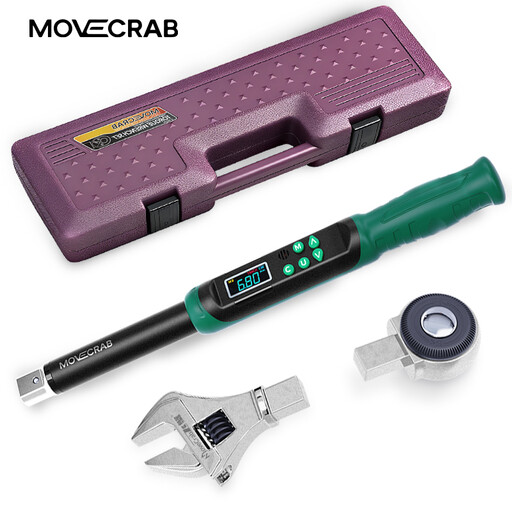
Why this product fits the profile: This tool is designed for applications where a defined torque range needs to be documented or controlled. It offers a range of 6.8 to 135 Nm and interchangeable ratchet and open-end spanner heads.
The stated measuring range and selectable units make the technical limits clear. The digital display still doesn't replace following the manufacturer's own specifications.
Four selectable units, Peak, Track and Preset modes, and storage for up to 500 data records according to the product description.
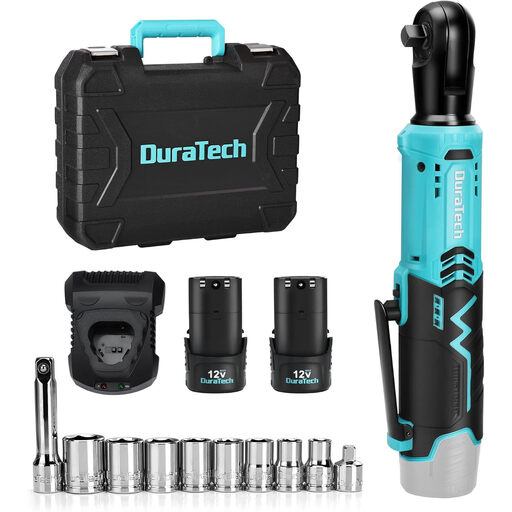
Why this product fits the profile: An electric ratchet wrench can save time when loosening and tightening frequently, provided there's enough space and a compatible battery. This set is designed for mobile work with a 3/8-inch drive.
Torque, speed, number of batteries and included socket sizes are all clearly stated. For final tightening, a suitable hand tool should be used depending on the application.
12 V drive, stated maximum torque of 65 Nm, two 2.0 Ah batteries, LED light and storage box.
We've put together a full, regularly updated list of products that fully meet these strict selection criteria and the safety regulations in force in the EU.
Always use a socket that fits the fastener without any play. A socket that's too large or damaged can round off edges and increase the risk of injury. For stubborn bolts, a suitable longer leverage aid is intended; a ratchet should not be used as a hammer or lever for prying.
After use, sockets and bits should be cleaned dry and returned fully to the tool case. Ratchet mechanisms benefit from clean, dry storage. If you notice visible cracks, excessive play or damaged teeth, the affected part should not be used again.
For smaller interior and ancillary jobs, 1/4 inch is practical. 3/8 inch covers many maintenance tasks. For larger bolted connections and wheel areas, 1/2 inch is often used. The right size, however, depends on the vehicle and the specific torque required.
If the vehicle, bike or appliance manufacturer specifies a particular tightening value, a torque wrench is a good idea. A standard ratchet set is mainly for controlled loosening and tightening, but it doesn't measure torque.
The lifespan depends on the material, load, care and correct use. Regular work within the intended load limits, dry storage and using the right socket sizes all reduce wear. For particularly high loads, only tools specifically designed for that purpose should be used.