
Lieferung heute & morgen

Qualitätsgarantie

Willkommens-Angebote freischalten: KOSTENLOSE Lieferung | Bis zu 80 % RABATT | Kostenlose 30-Tage-JoyPlus-Testphase
App herunterladen
Rattan pepper, also known as green Szechuan pepper or Teng Jiao (藤椒) in Chinese, is an essential component of authentic Sichuan cuisine. Unlike its red relative, the more widely known Sichuan pepper, rattan pepper is distinguished by a fresher, more citrus-like aroma and an intense, numbing heat. This characteristic quality, known as Málà (麻辣), meaning "numbing and spicy," is caused by the molecule hydroxy-alpha-sanshool. Analysing products that leverage this specific flavour profile requires a focus on processing quality and ingredient composition.
Objective criteria are crucial when selecting rattan pepper products. The product's form—whether as a pure seasoning oil or as part of a ready-to-eat meal—determines its primary application.
The ingredient list reveals the concentration and quality of the rattan pepper. Products that list rattan pepper oil or Teng Jiao high on the ingredient list typically have a more intense aroma. The origin of the peppercorns from Sichuan province can also be a mark of quality, as the growing conditions there are considered ideal. For ready-to-eat meals, the variety and freshness of the other ingredients should also be assessed.
The following selection is based on an analysis of product specifications and intended use cases.
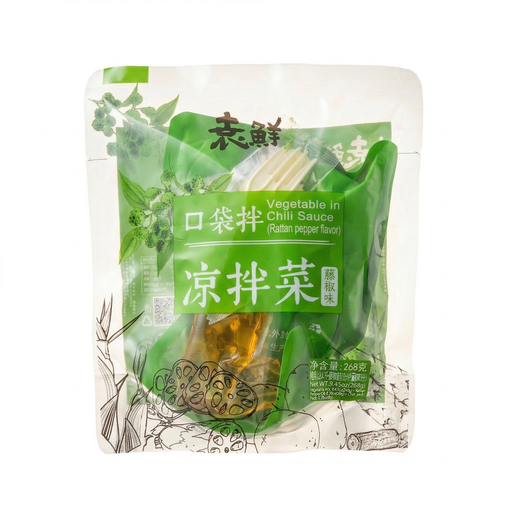
Why We Recommend This Product This product from Yuan Xian, a Chengdu-based company focused on Sichuan specialities, is designed as a ready-to-eat vegetable mix. Its unique feature is the packaging: a patented, food-grade pouch allows for mixing and eating directly from the package. The sauce is based on rapeseed oil and rattan pepper oil, which provides the characteristic, numbing aroma. The vegetable mix of potatoes, bamboo shoots, kelp, wood ear mushrooms, lotus root, and king oyster mushrooms offers a diverse texture.
Pros
Who It's For This product is ideal for professionals, students, and travellers looking for a quick, convenient, and flavour-packed meal or side dish in the style of a cold Sichuan dish.
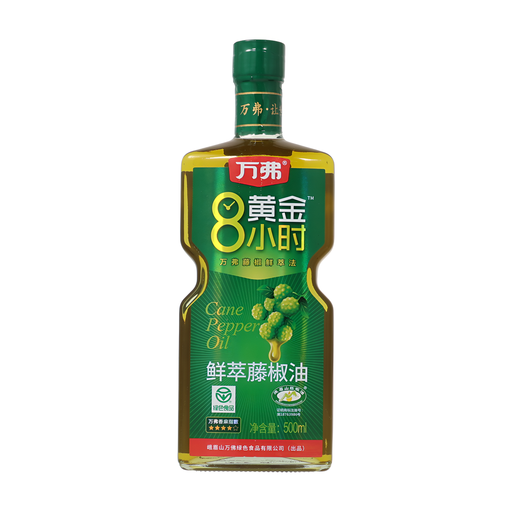
Why We Recommend This Product According to the manufacturer, WanFu's rattan pepper oil is extracted from fresh rattan pepper grown at high altitudes. The low-temperature processing method aims to preserve the fresh, citrus-like aroma and the pure, numbing effect. The "four-star quality" is a manufacturer's designation for an intense flavour profile. With a declared 15% rattan pepper oil content (QUID), it offers a high concentration. Its soybean oil base makes it a versatile finishing oil.
Pros
Who It's For This oil is aimed at home cooks and enthusiasts of Sichuan cuisine who want to incorporate the authentic taste of green Szechuan pepper into their own creations and control the intensity themselves.
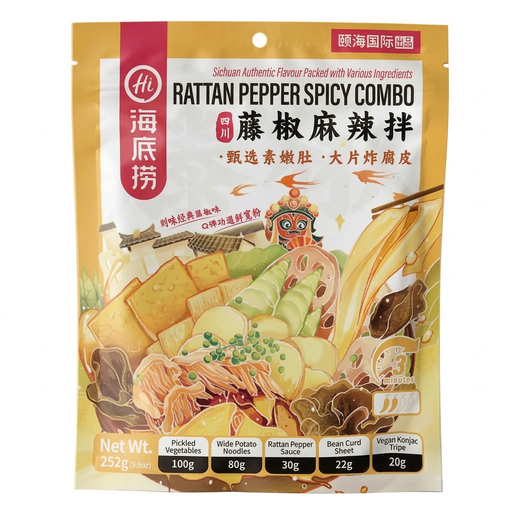
Why We Recommend This Product Haidilao, a well-known brand in the hot pot and Chinese seasoning sauce sector, offers a complex Sichuan-style ready-to-eat meal with this product. It combines pickled vegetables (potato, lotus root, wood ear mushroom) with wide sweet potato noodles, tofu skin, and konjac "tripe". In addition to green Szechuan pepper oil, the sauce contains chili sauce, pickled chili, and ginger, creating a multi-layered flavour experience. All components are packaged separately to preserve freshness and texture and only need to be mixed.
Pros
Who It's For This product is suitable for consumers who want to experience the signature taste of a Haidilao dish at home without having to cook. It is an excellent choice for anyone seeking a complete, flavour-intensive dish with a rattan pepper note.
For those interested in a broader range of products featuring the characteristic aroma of rattan pepper, the Rattan Bar category offers a wider selection. There you will find various oils, sauces, and snacks, allowing you to dive deeper into the world of Teng Jiao when you're looking to buy Chinese food.
1. What is the difference between rattan pepper and red Sichuan pepper? Red Sichuan pepper (花椒, Huājiāo) has a more floral, warmer aroma and a slightly less intense numbing sensation. Rattan pepper (green Szechuan pepper, 藤椒, Teng Jiao) is harvested from the unripe berries of the same plant family. It possesses a distinctly fresher, citrus-like aroma and a stronger, purer numbing effect.
2. What exactly does rattan pepper taste like? The taste is a combination of a bright, lime-like aroma and a distinct, tingling and numbing sensation on the tongue and lips. This quality, known as Málà, is the spice's hallmark. It is less earthy than red Sichuan pepper.
3. How is rattan pepper oil used? Rattan pepper oil is heat-sensitive and should not be used for frying, as high temperatures will destroy its volatile aroma. It is typically used as a finishing oil: drizzle it over cold appetisers, noodle dishes, soups, or wontons just before serving, or mix it into dips and dressings to impart the final, authentic Málà note to your dishes.