
Lieferung heute & morgen

Qualitätsgarantie

Willkommens-Angebote freischalten: KOSTENLOSE Lieferung | Bis zu 80 % RABATT | Kostenlose 30-Tage-JoyPlus-Testphase
App herunterladen
The search for the right toy car can quickly become overwhelming. Whether it's a gift for a child or a new piece for your own collection, disappointment is common when a model shows defects after a short time or the quality doesn't meet expectations. Many buyers are swayed by attractive packaging or supposed bargains, only to find that the product fails to meet basic standards for durability and play value.
This guide serves as a roadmap. It highlights the most common pitfalls in purchasing and shows which objective criteria truly matter for making an informed decision—whether for a robust toy truck for the sandbox or a detailed model car for the display case.
Before we delve into the selection criteria, it's helpful to understand the typical problems that can lead to a bad buy.
To avoid these pitfalls, you should check three key aspects before buying. These will help you objectively assess a model's quality.
The longevity of a toy car depends directly on its material. Models made of die-cast metal are the more robust choice for intensive play. The body withstands impacts better, and the heavier weight provides a more premium feel. Plastic is often used for details, interiors, or add-on parts. Here, the quality of the plastic is crucial. Look for a clean finish with no sharp edges or burrs. Rubberised tyres also offer better rolling characteristics than simple hard plastic wheels.
The scale indicates the size ratio of the model to the original vehicle. It is crucial for the level of detail and compatibility with playsets or collections. Common scales are:
Safety is the top priority, especially for toys intended for children under three. Pay attention to the manufacturer's age recommendation and the warning regarding small parts that can be swallowed. Products sold in the EU market must bear the CE marking, which declares that the product meets applicable safety requirements. For models with moving parts, check that they are firmly and securely attached.
Based on the criteria mentioned, we have compiled a selection of models for different user profiles and requirements.
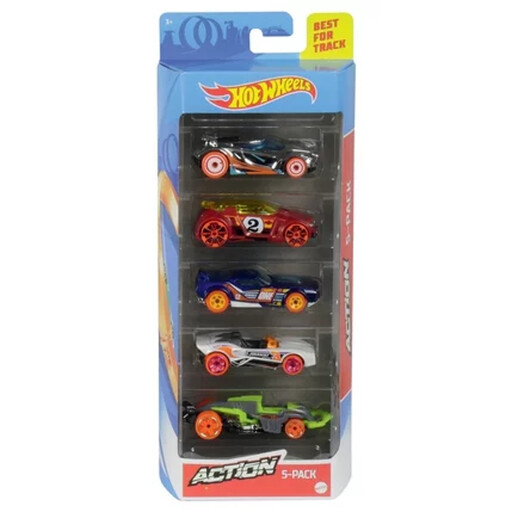
Why This Fits Their Persona: Ideal for anyone looking for a quick start into the world of toy cars or needing a versatile gift. The set provides instant play fun with five different vehicles in a uniform 1:64 scale.
This set bypasses the trap of low-quality gift sets. Hot Wheels is an established brand known for its robust die-cast construction. You get guaranteed quality instead of no-name filler material.
Good value for money; instant play variety with five different vehicles; high compatibility with common racetracks.
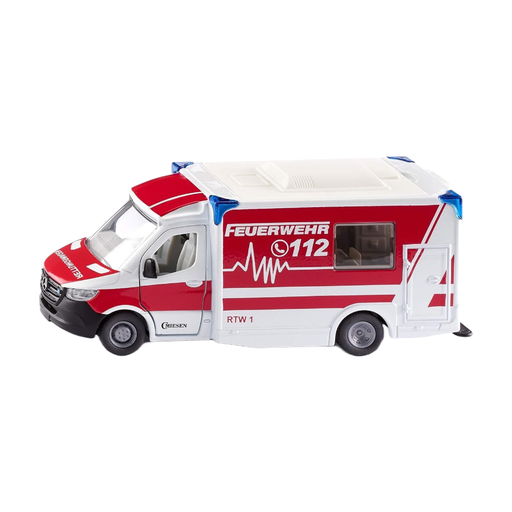
Why This Fits Their Persona: Perfect for kids and collectors who value realistic details and functions. This 1:50 scale model of an ambulance replicates a real emergency vehicle and encourages role-playing.
This model avoids the trap of inadequate material quality. The body is made of robust metal, while functional parts like the removable roof and doors enhance play value instead of breaking off easily.
High level of detail; functional elements (doors, roof); robust metal-plastic construction; includes accessories like a stretcher and spineboard.
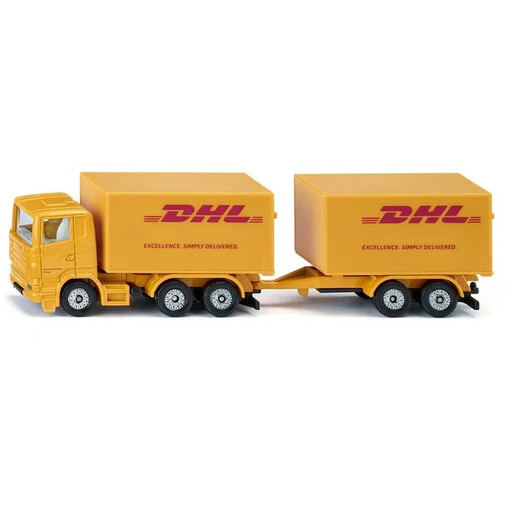
Why This Fits Their Persona: This toy truck is ideal for children who want to re-enact logistics and transport scenarios. The detachable trailer and opening rear doors allow for realistic play sequences.
Instead of relying on fragile plastic, this model features a sturdy metal body. Compatibility within the Siku world ensures long-lasting play value and prevents it from becoming an isolated, standalone piece.
Robust metal construction; detachable trailer for flexible play scenarios; opening rear doors on both the truck and trailer.
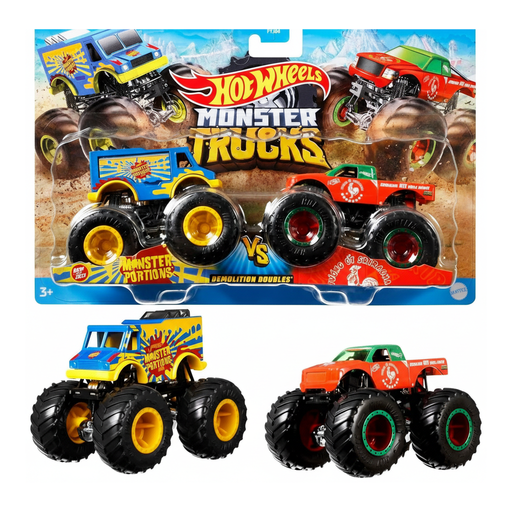
Why This Fits Their Persona: This two-pack is specifically designed for dynamic action. The giant wheels and sturdy build are engineered to overcome obstacles and withstand crash scenarios—ideal for kids who want more than just role-playing.
These monster trucks are explicitly built for rough handling. Unlike delicate model cars that would break on impact, these trucks fulfill the exact purpose for which they are bought, thus avoiding the frustration trap.
Very robust construction for crash action; two-pack allows for immediate duels; large wheels for all-terrain capability in the playroom.
We have compiled a complete, up-to-date list of products that fully meet these strict selection criteria and German safety regulations.
The scale describes the size ratio of the model to the original vehicle. For example, a scale of 1:64 means the model is 64 times smaller than the real car. A smaller number after the colon (e.g., 1:18) indicates a larger model, while a higher number (e.g., 1:64) denotes a smaller model.
Most manufacturers, such as Siku or Hot Wheels, recommend an age of 3 years and up. This is because the models may contain small parts that pose a choking hazard for younger children. Always check the specific age recommendation on the product's packaging.
To clean die-cast model cars, a soft, dry cloth or a brush is usually sufficient to remove dust. For heavier soiling, a slightly damp cloth can be used. Avoid aggressive cleaning agents or full immersion in water, as this can damage the paint and decals and lead to corrosion on metal parts.