
Lieferung heute & morgen

Qualitätsgarantie

Willkommens-Angebote freischalten: KOSTENLOSE Lieferung | Bis zu 80 % RABATT | Kostenlose 30-Tage-JoyPlus-Testphase
App herunterladen
An RC stunt car promises action, speed, and spectacular maneuvers. But the selection is vast, and not every model lives up to its promises. Many buyers get frustrated with fragile components, disappointingly short battery life, or stunt features that don't work in practice. As a Joybuy Product Recommendation Officer, I'll help you avoid the common pitfalls and find a vehicle that delivers long-lasting fun.
This guide focuses on the objective features that define a good RC stunt car and shows you what to look for before buying to make an informed decision—whether it's a gift for boys and girls or for your own entry into the hobby.
Before we dive into the technical details, let's look at the three most common issues that lead to disappointment:
To avoid a bad purchase, you should carefully examine three technical aspects. These largely determine the performance and enjoyment you'll get.
The type of drivetrain determines where and how the car can be driven.
The remote control is your interface to the vehicle. There are significant differences here in precision and range of functions.
The vehicle's construction is crucial for its durability and safety in use.
Based on the criteria above, we have identified a few models that are suitable for different user profiles and needs.
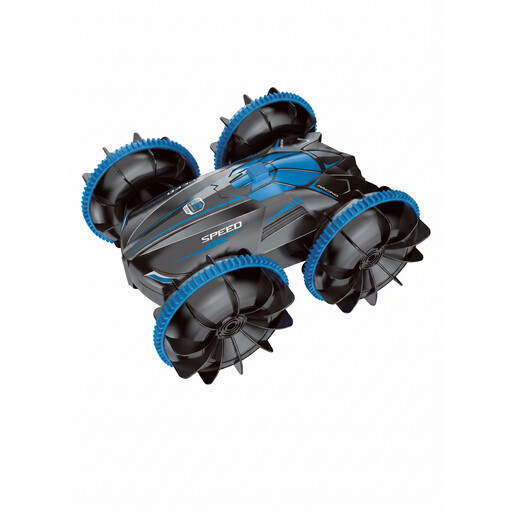
Why This Fits Their Persona: This model is a versatile package for anyone seeking maximum action. It combines stunt capabilities, off-road readiness, and is even an amphibious vehicle. The dual control system, using a hand controller and a gesture watch, offers variety and especially appeals to tech-savvy kids.
The vehicle can drive on both sides and perform true 360° rotations, making it a genuine stunt car. The body is sealed to be waterproof, which protects the electronics from damage.
Amphibious Capability: Drives on land and in water. Dual Controls: Choose between a classic remote and interactive gesture control.
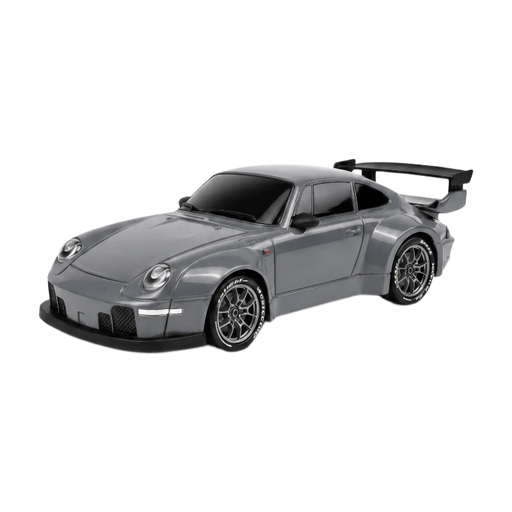
Why This Fits Their Persona: For teens and adults who want more than just simple driving. This model is designed for precise drift maneuvers. It offers features typically found in more expensive hobby-grade models, like a gyro stabilization system and interchangeable tires.
Instead of vague stunt promises, this car delivers a clear function: drifting. The adjustable gyroscope helps stabilize the vehicle and prevents uncontrolled spin-outs, avoiding frustration for beginners.
Gyro Stabilization: Assists with controlled drifts. Two Tire Sets: Includes both drift and racing tires for different driving styles.
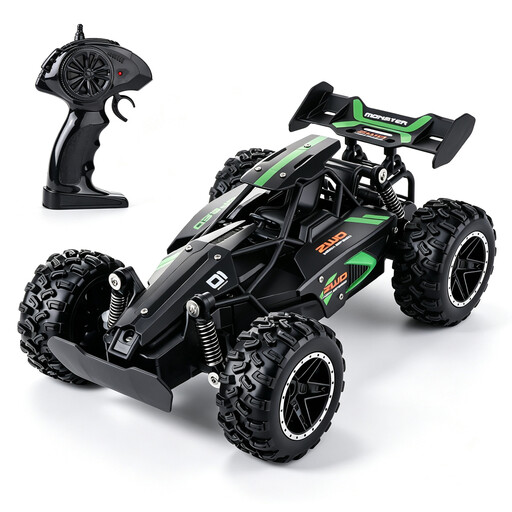
Why This Fits Their Persona: This model is a classic off-road buggy designed for durability and ease of use. It's ideal for younger children looking for a kids' remote control car that can handle a few bumps and drive easily over grass or gravel.
Instead of focusing on complex stunts, this model prioritizes longevity. Its shock-resistant construction and large, anti-skid tires are designed to withstand the rigors of off-road use. The inclusion of two batteries directly addresses the problem of short run times.
Durable Construction: Shock absorbers and resilient tires for outdoor use. Extended Playtime: Two rechargeable batteries are included in the package.
Didn't find the right model? Perhaps a sturdy construction vehicle or a detailed truck is a better choice. Explore our range of remote-controlled vehicles for every application.
The actual battery life heavily depends on the driving style. Manufacturer claims (e.g., 20–40 minutes) usually refer to continuous, moderate driving. With intensive use of stunts, drifts, and top-speed driving, the runtime can be cut in half. Models that include a second battery offer a clear advantage here, as they can double the playtime without a long charging break.
The 2.4 GHz technology is a frequency band used for signal transmission between the remote and the vehicle. Its main advantage is high resistance to interference. It allows multiple RC vehicles to operate in the same area simultaneously without their signals interfering with each other. This is especially important when you want to race with friends.
Yes, a gesture-controlled car can be very engaging for children. Controlling it with hand movements is intuitive and often feels more direct and interactive than using a classic controller. It promotes hand-eye coordination in a playful way. However, for precise maneuvers, the traditional remote is often better, which is why models that offer both options are a great choice.