
Lieferung heute & morgen

Qualitätsgarantie

Willkommens-Angebote freischalten: KOSTENLOSE Lieferung | Bis zu 80 % RABATT | Kostenlose 30-Tage-JoyPlus-Testphase
App herunterladen
Reading glasses at 3.0 dioptres may be suitable for books, documents and short periods of screen use, provided this magnification strength meets your individual needs for close-up vision. But when buying, the number on the packaging isn’t the only thing that matters. The fit, design and intended use all affect how practical they’ll be at home or in the office.
Cheap ready-made reading glasses are a common source of poor purchases. Choosing carefully can help you avoid unnecessary spending.
The +3.0 dpt marking describes the magnification strength of a pair of reading glasses, but it doesn’t replace an individual eyesight test. If your glasses are too strong, you may experience headaches or find that your vision feels strained. If they’re too weak, text may still seem too small.
If you’re choosing between reading glasses at 2.5 dioptres, reading glasses at 3.0 dioptres or reading glasses at 3.5 dioptres, base your decision on how you’ve used reading glasses before and your usual reading distance. If you have recurring discomfort or a significant difference in prescription between your eyes, it’s a good idea to consult an optician or an eye care professional.
A striking colour, such as red reading glasses, may suit your personal style. But for everyday use, sturdy arms, a secure fit and scratch-resistant storage matter too. Classic reading glasses with a simple frame often work well with a range of outfits and in different work settings.
Rimless reading glasses can look understated and have a lightweight frame. At the same time, the arms, nose pads and how the lenses are attached are all worth checking. The product description should provide clear information about the materials, what’s included and any safety guidance. Reading glasses are not designed to be safety glasses or for driving.
The right strength depends on how far away you hold a book, mobile phone or document. A higher strength may be needed for closer reading, while a lower one may be enough if you hold it further away. Reading glasses for the office and home should suit the distance you use them at most often.
If you switch between reading and looking at your surroundings, you could consider half-frame glasses. With half-frame glasses, the lower part of the lens sits in your line of sight for close-up tasks, while you can look over the top to see into the distance. This can be useful when reading paperwork and occasionally looking across a room or at a screen.
Check the following:
Ready-made reading glasses are not usually centred to suit your eyes individually. If you have specific requirements for pupillary distance, cylinder values or different prescriptions in each eye, individually fitted glasses are a better option.
Durable reading glasses should be handled with care and stored safely when not in use. A case supplied with the glasses helps reduce the risk of scratches in your bag or a drawer. Use a soft microfibre cloth to clean them and avoid harsh household cleaners.
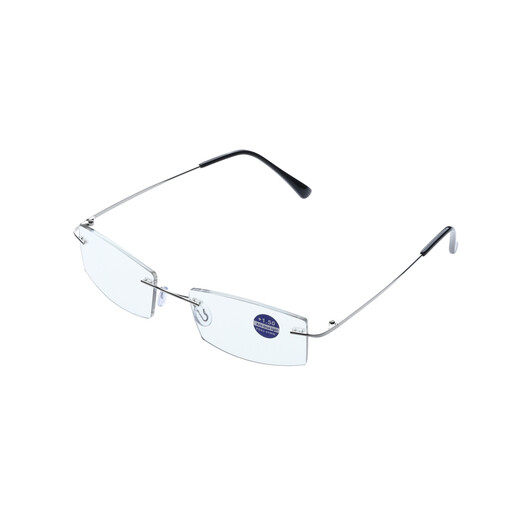
Why this product suits this profile: The silver rimless design may appeal if you’re looking for understated reading glasses for occasional close-up tasks and need a strength of 2.5 dioptres.
The stated strength and product type make it easier to compare with other ready-made reading glasses. They are not listed as safety glasses or driving glasses.
250D strength, silver rimless design and supplied as one pair.
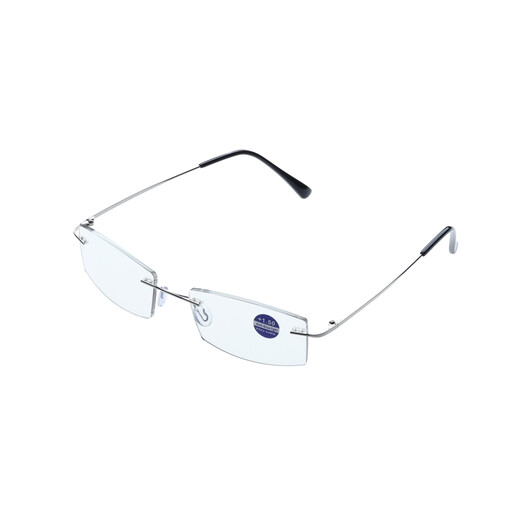
Why this product suits this profile: The 3.5-dioptre version is designed for people who prefer higher magnification for close-up text and want a simple silver frame for men or women.
The specific 350D marking makes the strength clear before you buy. The safety guidance clearly states that these are not safety glasses and should not be used for driving.
350D strength, rimless design and a classic unisex style.
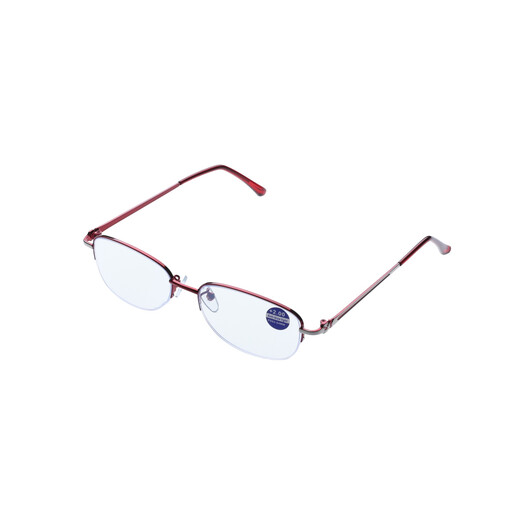
Why this product suits this profile: The half-frame design may suit you at home or in the office if you switch between paperwork and looking around you. The red frame adds a noticeable pop of colour.
The half-frame design makes it easier to switch between close-up tasks and looking over the glasses. The product description also mentions a protective case and clear guidance on use.
300D strength, half-frame design, red frame and a protective case included.
We’ve put together a comprehensive, regularly updated list of products that meet these strict selection criteria and the safety regulations in force in the EU.
It depends on your distance from the screen and your individual vision needs. Computer screens are usually further away than a book. Reading glasses at 3.0 dioptres may suit you if you sit close to the screen, but they won’t be right for everyone. If you spend a long time at a screen, remember to take regular breaks and sit in a suitable position.
How long they last depends on the materials, how often you use them and how you store them. Scratches, bent arms or a loose frame can make them less practical to use. Don’t place the lenses face down on hard surfaces, and keep the glasses in their case. Replace any damaged glasses.
None of these strengths is right for everyone. 2.5 dioptres may be enough if you need less magnification for close-up tasks, 3.0 dioptres sits between the two, and 3.5 dioptres offers higher magnification. The right choice depends on your reading distance, text size, how the glasses fit and how comfortable your vision feels. If you experience headaches or eye discomfort, stop using them and seek professional advice.