
Lieferung heute & morgen

Qualitätsgarantie

Willkommens-Angebote freischalten: KOSTENLOSE Lieferung | Bis zu 80 % RABATT | Kostenlose 30-Tage-JoyPlus-Testphase
App herunterladen
When the letters in books, on menus, or on your smartphone start to blur, reading glasses are often the simplest and most direct solution. However, the market for off-the-shelf reading glasses is vast, and the selection can be overwhelming. Many models promise more than they deliver, leading to disappointment. Before you make a decision, it's helpful to know the most common pitfalls so you can find a reading aid that truly fits your needs.
This guide focuses on the objective criteria that define a functional reading aid and helps you avoid typical problems.
An ill-fitting pair of reading glasses can be more than just impractical; it can make daily reading a chore. Watch out for these three common flaws:
To avoid these problems, you should focus on three essential features. These parameters determine whether a pair of reading glasses will perform reliably in your daily life.
The most important characteristic of prescription reading glasses is the diopter (dpt) value. This indicates the refractive power of the lens and is expressed in positive values such as +1.5, +2.0, or +2.5. Choosing the wrong strength can lead to headaches or eye strain.
An eye exam is the most accurate way to determine your exact prescription strength. However, the following guidelines can serve as a general reference for age-related farsightedness (presbyopia):
These values are estimates. Your individual needs may vary depending on your reading distance and overall eye health.
The type of frame affects not only the look but also the functionality and durability of the glasses. There are three main types:
The frame material is a crucial factor for longevity. Plastic frames are lightweight and available in many colours, while metal frames are often perceived as more durable and classic. Regardless of the material, quality craftsmanship, especially at the hinges, is an indicator of a solid construction.
Based on the criteria mentioned, we have compiled a few models for different user profiles. This selection is aimed at users looking for a functional and straightforward solution for everyday life, whether as women's reading glasses or men's reading glasses.
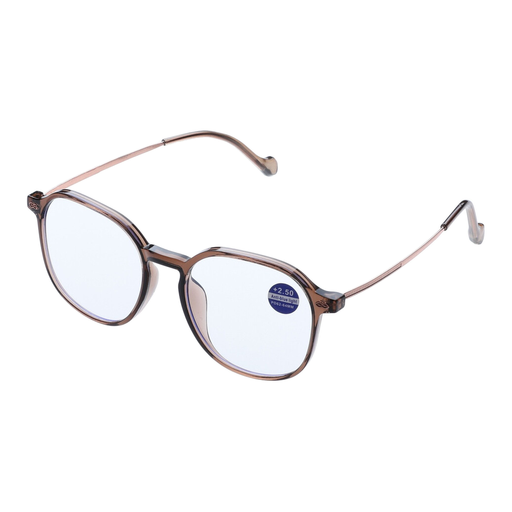
Why it's a great fit: Ideal for those who need a robust and reliable pair of glasses for daily use at a desk or for reading on the sofa. The classic full-rim design is unobtrusive and functional.
The sturdy full-rim construction protects the lenses and ensures high structural stability, counteracting the problem of fragile frames.
Offers excellent protection for the lenses and a durable structure thanks to the surrounding frame.
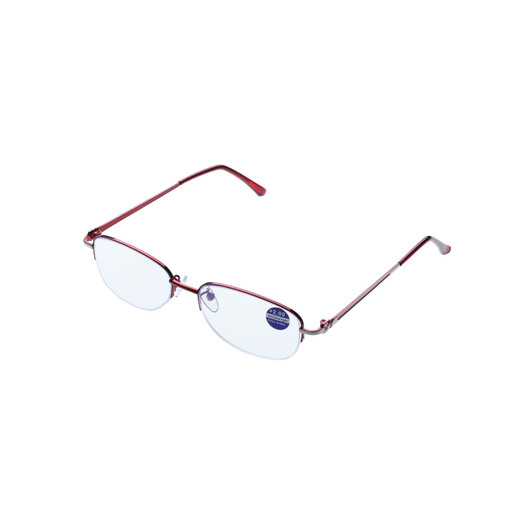
Why it's a great fit: Perfect for users who often look up from their reading to glance at a screen or look around the room. It eliminates the need to take the glasses off.
The half-rim design is specifically engineered for switching between near and far vision, avoiding the visual obstruction of a full frame.
Allows for a seamless shift in gaze without having to move or take off the glasses.
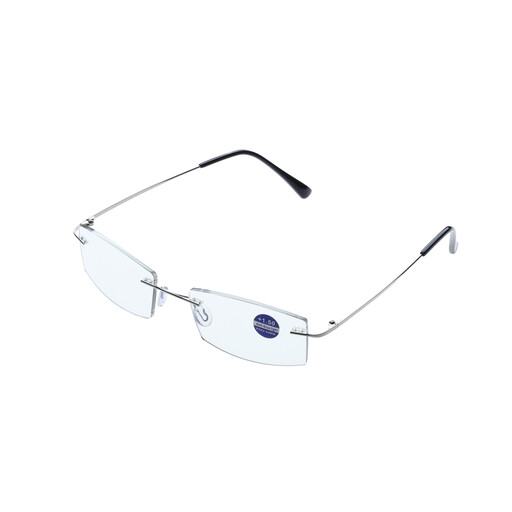
Why it's a great fit: For anyone who finds the feeling of a frame distracting. The minimalist design is virtually weightless and offers superior comfort during long reading sessions.
The rimless construction directly addresses the problem of pressure points and a heavy feeling on the nose that can occur with more substantial frames.
Provides minimal weight and a maximum, unrestricted field of view for an undisturbed reading experience.
We have compiled a comprehensive list of products that meet these objective selection criteria.
The most reliable method is an eye exam with an optometrist or ophthalmologist. For an initial estimate, you can perform a simple self-test: hold a newspaper or book at your usual reading distance (approx. 30–40 cm) and try out different strengths. The strength that allows you to read the text most clearly and without strain is likely the right one for you.
Off-the-shelf reading glasses are designed as a simple visual aid for age-related farsightedness. They do not correct other vision problems like astigmatism and are not intended for distance vision or driving. If you experience headaches or discomfort while using them, professional advice is recommended.
To extend the life of your reading glasses, you should clean the lenses regularly with a microfiber cloth. Avoid paper towels or clothing, as they can cause fine scratches. For heavier dirt, you can use lukewarm water and a mild soap solution. When not in use, store the glasses in a case to protect them from damage.