
Lieferung heute & morgen

Qualitätsgarantie

Willkommens-Angebote freischalten: KOSTENLOSE Lieferung | Bis zu 80 % RABATT | Kostenlose 30-Tage-JoyPlus-Testphase
App herunterladen
When reading fine print becomes increasingly strenuous, reading glasses are often the most straightforward solution. However, the market for ready-made reading glasses is vast, and the differences in quality are significant. Making the wrong choice not only leads to unnecessary expense but can also cause headaches and eye strain. Before you make a decision, you should be aware of the common pitfalls often hidden behind an appealing design.
To avoid these problems, you should base your selection on objective features. Three parameters are of central importance.
The strength of reading glasses is measured in diopters (dpt) and compensates for the eye's diminishing ability to focus up close (age-related farsightedness or presbyopia). Common values are 1.5 diopter reading glasses, 2.0 reading glasses, 2.5 reading glasses, up to 4.0 reading glasses.
Age can serve as a rough guide:
Important Note: These are only guidelines. The correct strength also depends on your individual reading distance. For persistent discomfort or uncertainty, consulting an optician or ophthalmologist is advisable.
The frame affects not only the look but also the functionality and durability.
Pay attention to the details that determine the lifespan of your glasses. Sturdy metal hinges are more durable than simple plastic joints. Adjustable or soft silicone nose pads significantly increase wearing comfort and prevent pressure marks. The frame weight should be as low as possible to avoid being a nuisance during prolonged wear. Both lightweight metal alloys and high-quality plastics can be convincing here.
Based on the quality criteria mentioned, we have compiled a few models for typical use cases.
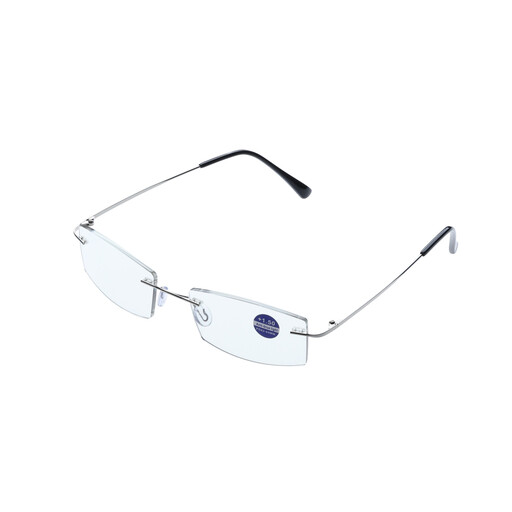
Why This Fits Their Persona: Ideal for those who need an inconspicuous and lightweight budget-friendly pair of reading glasses for occasional use, such as reading menus or labels. The +1.5 diopter strength is a common starting point for beginners.
The solid lens mounting ensures stability and prevents the lenses from wobbling—a common problem with poorly made rimless models.
Very low weight for high wearing comfort; minimalist design for an unrestricted field of vision.
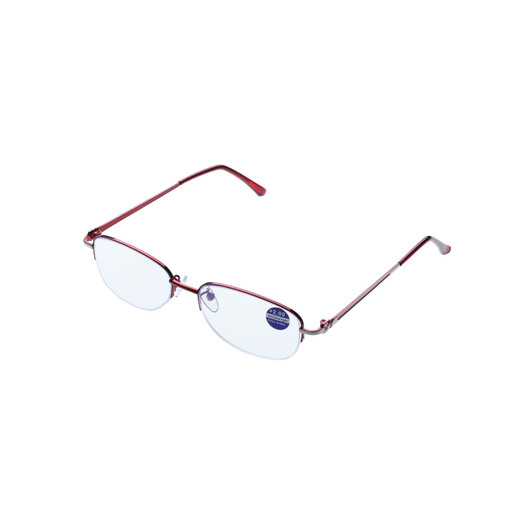
Why This Fits Their Persona: The half-rim reading glasses design is perfect for the workplace. It facilitates quick glances between documents on the desk and the computer screen without needing to move the glasses. Suitable for both men's reading glasses and women's reading glasses.
The robust half-rim construction offers a solid fit and greater durability than many delicate models, thus avoiding the trap of unstable construction.
Practical design for multitasking; durable materials and sturdy hinges for daily use.
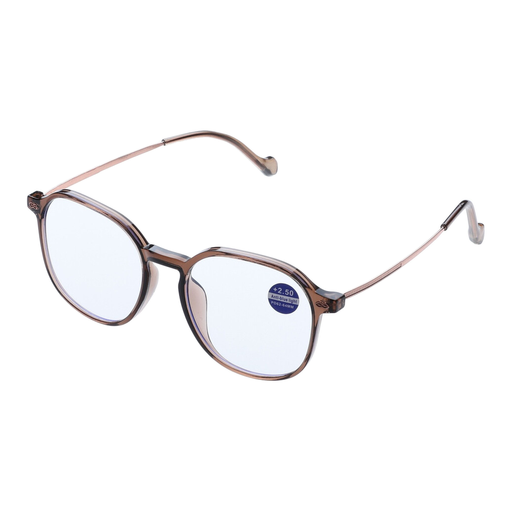
Why This Fits Their Persona: For users who need a high prescription like 4.0 reading glasses, the stability of a full-rim frame is crucial. It ensures the lenses remain precisely aligned, which is essential for clear vision when reading very fine text or doing detail work.
The full-rim design offers maximum protection and stability for the lenses. This prevents misalignment, which can quickly lead to visual strain with high-strength prescriptions.
Maximum stability for high diopter values; classic, timeless design for both men and women.
We have compiled a complete, up-to-date list of products that fully meet these strict selection criteria and German safety regulations.
A simple starting point is the age chart above. For a more accurate assessment, you can try different strengths in a store by holding a text at your usual reading distance (approx. 30–40 cm). The right strength allows for clear and relaxed reading. If you get a headache or have to strain your eyes, the strength is likely incorrect.
A pair of ready-made reading glasses is designed to correct presbyopia and is harmless when used correctly. It is essentially a magnifying glass in glasses form. However, it is not suitable for correcting other vision problems like astigmatism or if your eyes require different strengths. Do not use reading glasses for driving or as a permanent vision aid. If you experience persistent discomfort, you should consult an optician.
Proper care is simple and significantly extends the life of your glasses.