
Lieferung heute & morgen

Qualitätsgarantie

Willkommens-Angebote freischalten: KOSTENLOSE Lieferung | Bis zu 80 % RABATT | Kostenlose 30-Tage-JoyPlus-Testphase
App herunterladen
When letters in books, on menus, or on your smartphone start to blur, reading glasses are often the first and most straightforward solution. However, the market for ready-made reading glasses is vast, and the selection can be overwhelming. Many models overpromise and underdeliver, leading to disappointment and unnecessary expense. This guide will help you navigate the common pitfalls and find a functional, durable reading aid that meets your everyday needs.
An ill-fitting pair of reading glasses is more than just an annoyance—it can be distracting to wear and quickly ends up relegated to a drawer, unused. Watch out for these three common problems to avoid a bad purchase:
To find the right reading glasses with the correct strength, you should focus on objective and functional features. The following three parameters are essential for selecting a suitable pair of ready-made reading glasses.
The strength of reading glasses is measured in diopters (dpt). A positive value (+ dpt) corrects for age-related farsightedness (presbyopia). Choosing the right strength is fundamental to reading comfort. Common strengths include +1.50 diopter reading glasses, +2.00 diopter reading glasses, or +2.50 diopter reading glasses. Higher strengths like +3.00 diopter reading glasses or +4.00 diopter reading glasses are intended for users with more advanced presbyopia.
Age can serve as a rough guide, but it is no substitute for a professional assessment. If you are unsure, start with a lower strength and check if reading at a distance of 30-40 cm (about 12-16 inches) is comfortable.
The frame type affects not only the aesthetics but also the functionality and durability of the glasses. Timeless designs are equally suitable as men's reading glasses and women's reading glasses.
The frame material determines weight, flexibility, and durability. Simple plastic frames are lightweight and inexpensive, while metal frames are often considered more stable and durable. Look for solid hinges and clean workmanship at the connection points. The lenses in ready-made reading glasses are typically made of lightweight plastic. A high-quality surface finish is crucial here to minimize scratches and ensure clear vision.
Based on the criteria mentioned, we have compiled a few models for typical use cases.
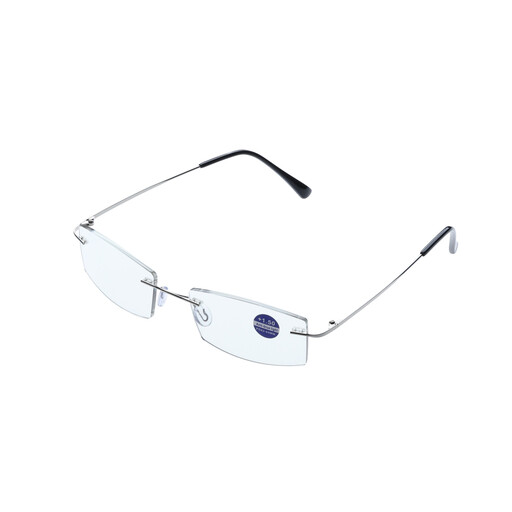
Why this model is a great fit: Ideal for those needing a reading aid for the first time who are looking for a discreet, lightweight model. The low strength of +1.50 diopters is a typical starting point.
The extremely lightweight, rimless design minimizes weight and prevents pressure marks on the nose. The stable attachment of the temples directly to the lens ensures good durability despite the minimalist construction.
Maximally discreet with an unrestricted field of view. The low weight ensures superior comfort, even during extended use.
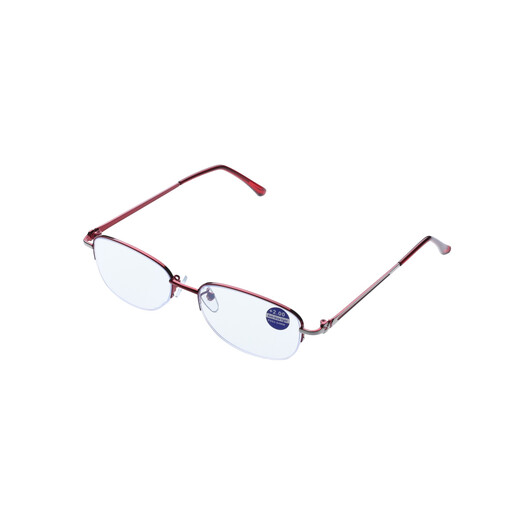
Why this model is a great fit: Perfect for the workplace. The semi-rimless design allows you to read documents while simultaneously looking up at a colleague or screen without having to take the glasses off.
The robust metal frame construction is designed for longevity and withstands the frequent on-and-off of a typical office day. This prevents loose hinges and frame breakage.
Functionality for multitasking. The clear view over the top edge of the lenses makes them a practical vision aid for dynamic work environments.
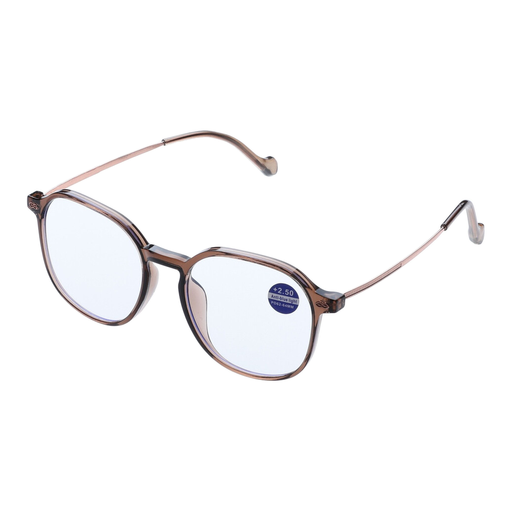
Why this model is a great fit: With a strength of +4.00 diopters, these glasses are designed for users who need high magnification for very small print, fine needlework, or detailed hobby work.
The full-rim frame offers maximum protection and stability for the lenses. This is especially important with higher strengths to maintain optical alignment and protect the lenses from damage.
Powerful magnification for detail-oriented tasks. The sturdy frame ensures durable and reliable performance, even with daily use.
We have compiled a complete, up-to-date list of products that fully meet these strict selection criteria and comply with applicable regulations.
Only an eye doctor or optician can provide an exact determination. The following breakdown can serve as a general, non-binding guideline for presbyopia:
When in doubt, test them with a book or newspaper at your usual reading distance (approx. 30-40 cm / 12-16 inches). The text should be sharp and reading should feel effortless.
Ready-made reading glasses are a simple reading aid for correcting presbyopia. They are not intended to correct other vision problems like astigmatism or nearsightedness. They should not be used for driving or as safety glasses. If you experience headaches or eye strain while using them, it is advisable to stop and consult an eye doctor.
The main difference lies in the construction and the field of view. A pair of semi-rimless reading glasses has a frame that only encloses the upper part of the lenses, leaving your upward view into the distance unobstructed. A pair of rimless reading glasses has no frame around the lenses at all; the temples are attached directly to the lenses. This makes them extremely lightweight and offers a maximally open field of view, but they are more mechanically delicate than a semi-rimless or full-rim model.