
Lieferung heute & morgen

Qualitätsgarantie

Willkommens-Angebote freischalten: KOSTENLOSE Lieferung | Bis zu 80 % RABATT | Kostenlose 30-Tage-JoyPlus-Testphase
App herunterladen
If your arms suddenly seem too short to decipher the menu, or the fine print on packaging becomes a blur, it's often time for your first pair of reading glasses. The selection of ready-made reading glasses is vast, but not every model is a worthwhile investment. Many buyers choose the wrong model and suffer from headaches or end up with glasses that break after just a few weeks.
As your Joybuy Product Recommendation Officer, I'll help you avoid the common pitfalls. We will focus on the objective criteria that define a good vision aid, so you can make an informed decision based on functionality and durability.
The 2 Most Common Mistakes When Buying Ready-Made Reading Glasses:
Before you make a choice, two fundamental features should be checked. These determine whether a pair of reading glasses will be a genuine help or a daily annoyance.
The strength of reading glasses is measured in diopters (dpt). The wrong strength can lead to eye strain, headaches, or even dizziness. While only an ophthalmologist or optician can provide an exact measurement, there is a general age-based guideline that can serve as a starting point:
Ready-made reading glasses are available in common increments like reading glasses 1.5, reading glasses 2.0, reading glasses 2.5, all the way up to reading glasses 4.0. It is advisable to start with a lower strength and only switch to a stronger one if necessary.
The frame's design is more than just a matter of taste. It has a direct impact on user comfort and durability.
Most classic designs are equally suitable as reading glasses for women and reading glasses for men, focusing on timeless shapes and colours.
Here are some recommendations tailored to specific use cases that avoid the pitfalls mentioned earlier.
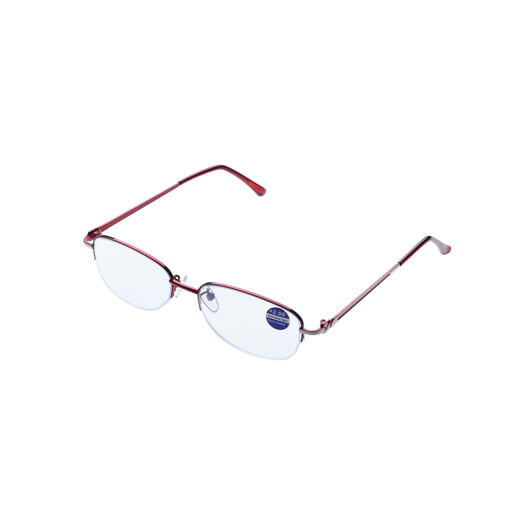
Why this model is a good fit: Ideal for those who need a vision aid for the first time and use it for brief tasks like reading labels or a message on their smartphone. The +1.5 strength reading glasses are a typical entry-level value.
The half-rim design is functional and avoids the restriction of a full-rim frame. The solid construction counteracts the problem of cheap, easily breakable frames.
Allows for an easy switch between near and distance vision without having to take the glasses off.
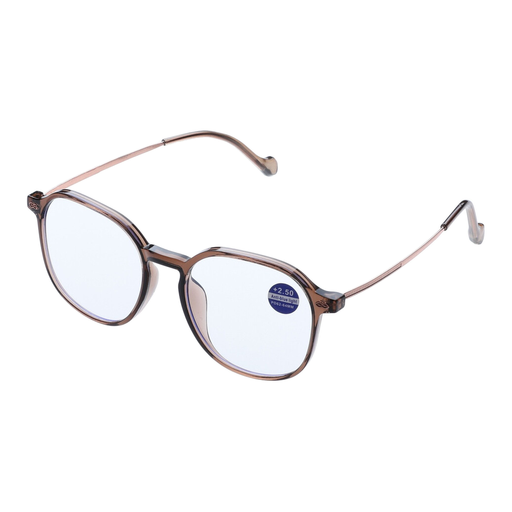
Why this model is a good fit: Designed for users who read at a desk for extended periods. The full-rim frame offers maximum stability and durability for intensive daily use.
This model addresses the pitfall of an unsuitable frame type. The robust full-rim frame sits securely and stably, preventing it from slipping during long work sessions.
High stability and resilience due to the full-rim construction; the timeless design fits into any professional environment.
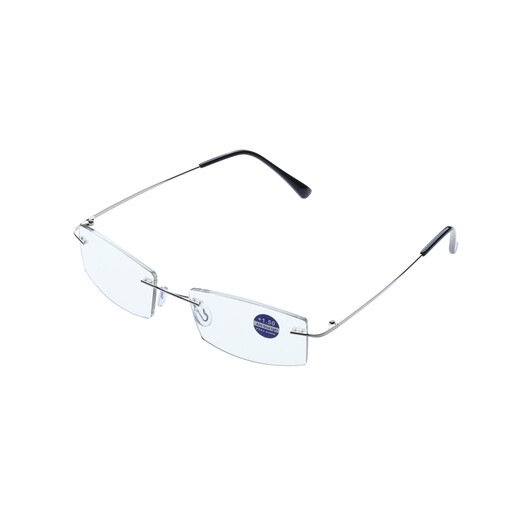
Why this model is a good fit: For users who value high wearing comfort and a minimalist aesthetic. The rimless reading glasses are exceptionally lightweight and offer an unobstructed field of view.
This model solves the problem of heavy, uncomfortable frames that can cause pressure marks. The lightweight construction ensures comfort, even when worn for hours.
Extremely low weight for superior comfort and a minimalist design for an unrestricted view.
We have compiled a complete, up-to-date list of products that meet these strict selection criteria and all applicable regulations.
Ready-made reading glasses with an incorrect strength will not cause permanent damage to your eyes. However, they can lead to temporary discomfort such as headaches, burning eyes, or dizziness. If such symptoms occur, the chosen strength is likely incorrect.
A ready-made reading glass is a standardised vision aid designed for age-related farsightedness (presbyopia). It has the same strength in both lenses and does not correct for astigmatism. It is a practical and affordable solution for near-vision tasks. In contrast, glasses individually fitted by an optician take into account exact measurements for each eye, any potential astigmatism, and the pupillary distance.
Presbyopia progresses over time. It is recommended to have your vision strength checked every one to two years. If you notice that you have to hold texts further away again to see them clearly, it is a clear sign that you may need a stronger vision aid.