
Lieferung heute & morgen

Qualitätsgarantie

Willkommens-Angebote freischalten: KOSTENLOSE Lieferung | Bis zu 80 % RABATT | Kostenlose 30-Tage-JoyPlus-Testphase
App herunterladen
When reading the fine print on packaging, in books, or on your smartphone becomes a challenge, reading glasses are often the most straightforward solution. However, the market for off-the-shelf reading glasses is vast, and the differences in quality are significant. Many models overpromise and underdeliver, leading to disappointment and wasted money.
As your Joybuy Product Recommendation Officer, I'm here to filter the essential information for you, so you can make an informed decision. This guide highlights the three most common pitfalls when buying off-the-shelf reading glasses and explains which objective features to look for to find a durable and functional model.
Before choosing a model, it's helpful to know the typical weaknesses that often only become apparent after a few weeks of use.
To avoid these pitfalls, focus on three objective parameters that determine the quality and suitability of a reading aid.
The most important feature is the reading glasses strength, measured in diopters (dpt). Common values range from +1.0 dpt to +4.0 dpt. Choosing the wrong strength can lead to discomfort and headaches. Age can serve as a rough guideline, but it is not a substitute for a professional assessment:
If you are unsure, consulting an optician or ophthalmologist is the safest way to determine the exact value.
The frame affects not only stability but also functionality in daily life. There are three main types:
Pay attention to the material specifications. Frames made from metal alloys or high-quality polycarbonate are generally more durable than simple plastic frames. Sturdy hinges, often with a small spring (spring hinges), increase wearing comfort and longevity by giving the arms more flexibility.
Based on the criteria mentioned, we have selected a few models for typical user profiles. This selection serves as a guide for reading glasses for men and women.
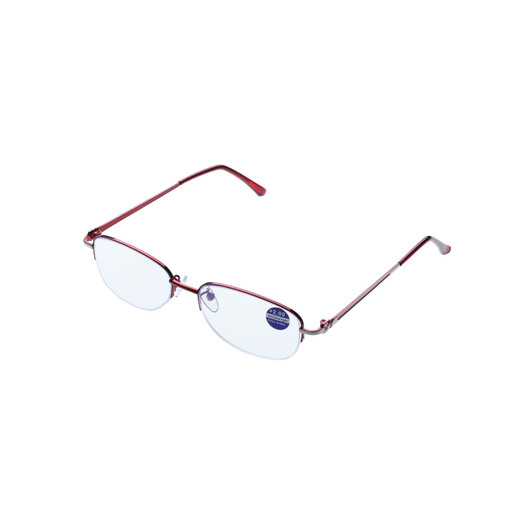
Why this model is a great fit: Ideal for individuals who work at a desk and frequently switch between reading documents and looking at a monitor or across the room. The semi-rimless design allows for a clear view of the distance without having to remove the glasses.
The design is focused on functionality, avoiding the pitfall of an impractical frame for multitasking situations in the office.
Enables a seamless transition between near and distance vision. The solid construction ensures the necessary durability for daily use.
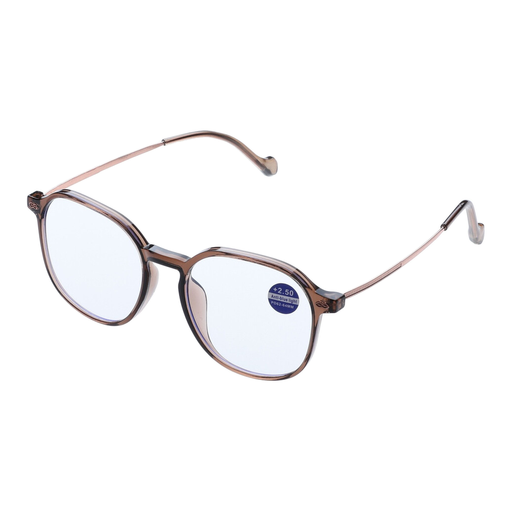
Why this model is a great fit: For users who value maximum stability and longevity. The full-rim frame provides optimal protection for the lenses and ensures a secure fit, ideal for daily, intensive use at home or while reading.
The sturdy full-rim construction counteracts the common problem of loose or breaking hinges and frames.
Maximum durability and lens protection. The timeless design is equally suitable for both men and women.
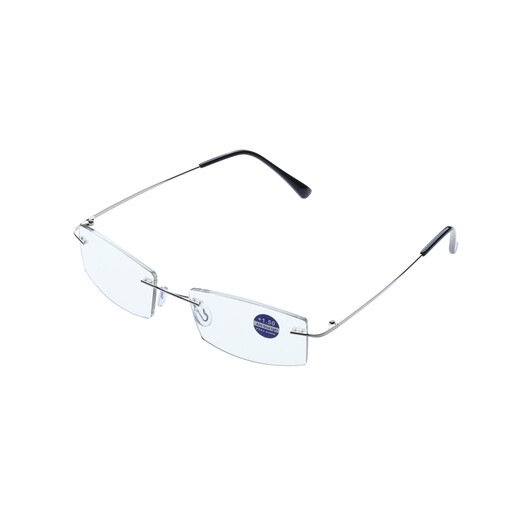
Why this model is a great fit: Perfect for anyone seeking the lightest and most unobtrusive reading aid possible. The rimless design minimises weight and provides an open, barely restricted field of vision, which is perceived as very comfortable during extended wear.
Contrary to the prejudice that rimless glasses are unstable, a solid mounting of the lenses ensures the necessary practicality for everyday use.
Extremely low weight and a very discreet appearance. Ideal for users who want to minimise the feeling of wearing glasses on their nose.
We have compiled a complete, up-to-date list of products that meet these strict selection criteria and applicable safety standards.
The required strength depends on your age and preferred reading distance. A general guideline can help, but for an exact determination, an eye test with an optician or ophthalmologist is the most reliable method. Incorrectly chosen strengths can put unnecessary strain on your eyes.
The lifespan heavily depends on the material, construction, and care. A sturdy pair of reading glasses with a metal or high-quality plastic frame and stable hinges can last for several years with proper care. Always store the glasses in a case when not in use and clean the lenses with a microfibre cloth to prevent scratches.
Neither type is universally "better"—the choice depends on your personal needs. A semi-rimless pair is very practical if you frequently need to switch between near and distance vision, as is common in an office. A rimless pair is the top choice if you want maximum comfort through minimal weight and an unobtrusive appearance.