
Lieferung heute & morgen

Qualitätsgarantie

Willkommens-Angebote freischalten: KOSTENLOSE Lieferung | Bis zu 80 % RABATT | Kostenlose 30-Tage-JoyPlus-Testphase
App herunterladen
When reading the fine print on labels, in books, or on your smartphone becomes a challenge, reading glasses are a practical and straightforward solution. However, the market for ready-made reading glasses is vast, and not every model delivers on its promise. The wrong choice not only leads to unnecessary expense but can also cause headaches or discomfort.
As a Joybuy Product Recommendation Officer, I analyse product data to provide you with objective guidance. This guide highlights the three most common pitfalls when buying ready-made reading glasses and what you should look for to find a durable and suitable reading aid.
Many buyers focus solely on price or appearance, overlooking crucial quality features. This often leads to these three problems:
To avoid these problems, you should check three key parameters before buying. These will help you select functional and durable reading glasses for men and women.
The most important feature of reading glasses is their strength, measured in dioptres (dpt). The wrong strength is the most common reason for dissatisfaction. The following values can serve as a rough guide, but they are no substitute for a professional eye exam:
Note: These values are only estimates. For an exact determination of your required strength, consulting an ophthalmologist or optician is recommended.
The frame design significantly influences comfort and functionality. The choice depends on how and where you will primarily use the glasses.
Pay attention to the materials of the frame and arms. Metal models are generally durable and retain their shape. High-quality plastics can also be very robust while remaining lightweight. The crucial factor is the workmanship of the hinges and the connection points between the frame and lenses, as these are the typical weak spots.
Based on the criteria mentioned, we have identified a few models that are well-suited for specific user groups.
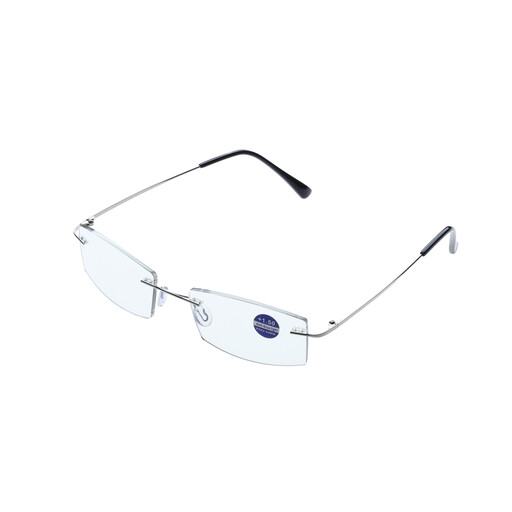
Why This Fits Their Persona: Ideal for users who need an unobtrusive and lightweight reading aid for the workplace. The minimalist design doesn't interfere when switching focus between documents and the monitor or during conversations with colleagues.
The rimless reading glasses bypass the problem of an impractical design by allowing a clear field of vision upwards and to the sides. The stable lens mounting ensures durability.
Very lightweight for high comfort over long periods; minimalist and professional appearance.
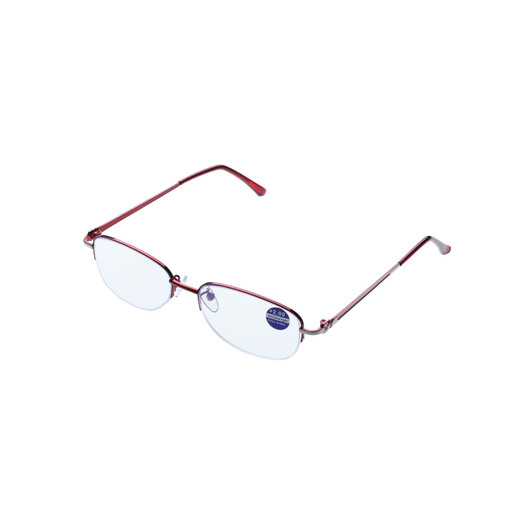
Why This Fits Their Persona: A functional choice for reading books, newspapers, or using a tablet at home. The half-rim design is practical for looking up while reading without having to take the glasses off.
The half-rim reading glasses offer a robust construction that counteracts the pitfall of premature material wear. The clear optics of the +2.0 dpt lens prevent eye fatigue.
A good compromise between stability and visual flexibility; classic design suitable for both men's and women's reading glasses.
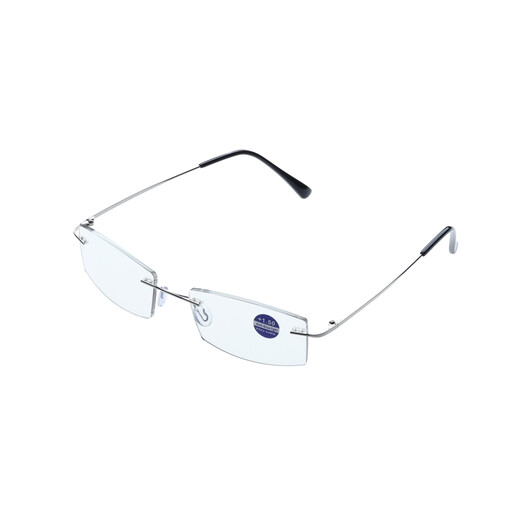
Why This Fits Their Persona: Specifically for individuals who require a stronger correction due to advanced presbyopia. This model combines a high strength with a lightweight, modern design.
By offering a specific, high strength of +3.5 dpt, it solves the problem of inadequate correction, thereby preventing eye strain.
Combines strong magnification with the comfort and subtle aesthetics of a rimless design. Durable construction for daily use.
We have compiled a complete, real-time list of products that fully satisfy these strict selection criteria and UK safety regulations.
The required strength depends on your age and the individual condition of your eyes. A rough estimate can be made based on your age, but a visit to an ophthalmologist or optician is essential for an accurate fitting. Reading glasses with a strength that is too weak or too strong can cause unnecessary eye strain.
A half-rim reading glass has a frame that encloses only the upper part of the lenses, providing stability while leaving the downward view unobstructed. A rimless reading glass has no frame around the lenses at all; the arms are attached directly to the lenses. This makes them very lightweight and visually unobtrusive, but they can be slightly more delicate.
No, ready-made reading glasses are designed exclusively as a reading aid for near vision. They correct for age-related farsightedness (presbyopia) and are not suitable for distance vision or activities like driving. Wearing them while looking into the distance will result in blurry vision and is not safe.