
Lieferung heute & morgen

Qualitätsgarantie

Willkommens-Angebote freischalten: KOSTENLOSE Lieferung | Bis zu 80 % RABATT | Kostenlose 30-Tage-JoyPlus-Testphase
App herunterladen
When reading the fine print on packaging, in books, or on your smartphone becomes a challenge, reading glasses are often a simple and effective solution. However, the selection of models is vast, and not every pair of off-the-shelf reading glasses is suitable for every need. Making the wrong choice not only leads to dissatisfaction but can also result in unnecessary costs.
This guide will help you avoid common pitfalls and understand the key criteria for a functional and durable reading aid.
Before you make a decision, you should be aware of the three most common problems that can lead to a poor purchase:
To make an informed decision, focus on the following three objective features.
The strength of reading glasses is measured in diopters (dpt) and is crucial for their function. Reading glasses with the correct strength compensate for the eye's diminishing ability to focus on nearby objects (age-related farsightedness or presbyopia). The values typically range in 0.25 increments from +1.00 dpt to +4.00 dpt.
Age can serve as a rough guideline:
Note: This table is only a general guideline. It does not replace an examination by an ophthalmologist. If you are unsure, an eye test with an optician or ophthalmologist is the most precise method for determining your required strength.
The frame type affects both stability and everyday comfort. Most models are designed as reading glasses for women and men and differ primarily in their design.
The longevity of reading glasses depends directly on the materials used. Simple plastic frames are lightweight and inexpensive. Look for flexibility and a clean finish without sharp edges. Metal frames are often more durable and allow for more delicate designs, but they can be slightly heavier. The hinges are a critical point; sturdy metal hinges are generally more durable than simple plastic joints.
Here are some models tailored to specific use cases.
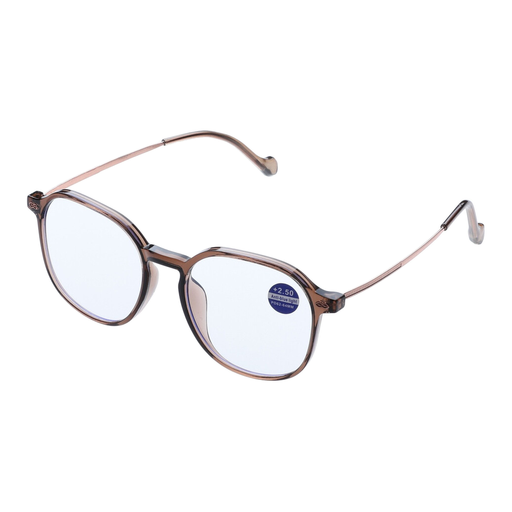
Why this model is a good fit: A robust, straightforward solution for everyday reading tasks like deciphering labels, reading a menu, or short passages in a magazine. The classic design is functional and timeless.
The full-rim design offers high stability and effectively protects the lenses. It is also more forgiving of less careful handling, unlike more delicate, fragile models.
Robust construction for a long lifespan in daily use; classic unisex design.
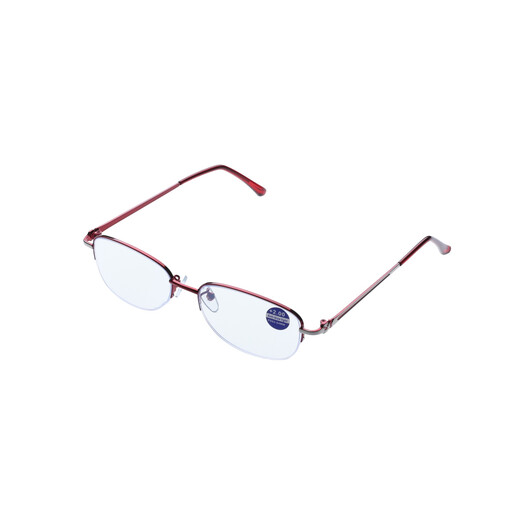
Why this model is a good fit: Ideal for individuals who frequently switch between reading documents and looking at a monitor or colleagues at their desk. The glasses do not need to be constantly put on and taken off.
The half-rim design solves the problem of a restricted upper field of vision. It avoids the impractical tunnel vision that full-rim glasses can cause during desk work.
Unobstructed upward view for a seamless transition between near and distance vision; increases comfort during long hours in the office.
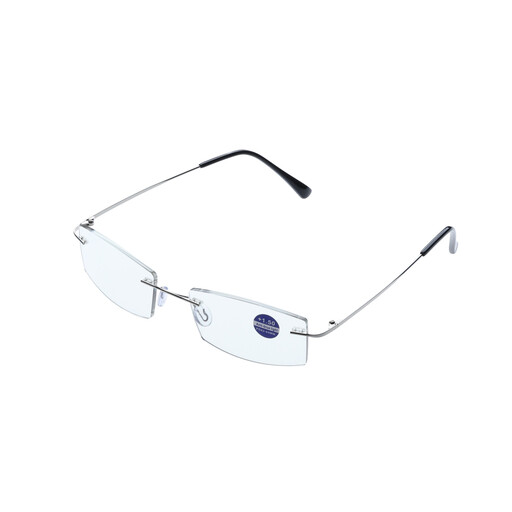
Why this model is a good fit: Perfect for users who want a reading aid that is as discreet and lightweight as possible. The minimalist design blends subtly into any look and offers maximum wearing comfort.
The rimless design is extremely lightweight and avoids the pressure on the nose and ears that can occur with heavier frames after prolonged wear. It provides an open, unrestricted field of vision.
Minimal weight for high wearing comfort; discreet, modern appearance.
We have compiled a complete, up-to-date list of products that fully meet these strict selection criteria and applicable safety regulations.
Ready-made reading glasses are a simple vision aid that works like a magnifying glass. They are designed to correct simple age-related farsightedness (presbyopia) and are generally not harmful when the correct strength is used. However, they are not a substitute for glasses individually fitted by an optician, especially if other vision problems such as astigmatism or different prescriptions for each eye are present. If you experience persistent headaches or discomfort, an ophthalmologist should be consulted.
Proper care significantly extends the life of your reading glasses. Use a clean microfiber cloth to clean the lenses. For heavier soiling, you can use lukewarm water and a mild, pH-neutral soap. Then, gently dry the lenses with a clean microfiber cloth. Avoid paper towels or clothing, as these can cause fine scratches. Store the glasses in a case when not in use to protect them from damage.
No, reading glasses are designed exclusively for near vision. Using them while driving is dangerous as it makes distant objects appear blurry and out of focus. Never use reading glasses to operate a vehicle.