
Lieferung heute & morgen

Qualitätsgarantie

Willkommens-Angebote freischalten: KOSTENLOSE Lieferung | Bis zu 80 % RABATT | Kostenlose 30-Tage-JoyPlus-Testphase
App herunterladen
When reading fine print becomes a challenge, reading glasses offer a practical and straightforward solution. However, the market for off-the-shelf reading glasses is vast, and the sheer number of options can quickly become overwhelming. Many models overpromise and underdeliver, leading to disappointment. Before making a decision, it's crucial to understand the common pitfalls to avoid a poor investment.
Low-quality materials are a frequent issue. A frame that breaks after a few weeks or lenses that scratch at the slightest touch will quickly render your seemingly affordable reading aid useless. An improper fit is another common pitfall. Glasses that constantly slip down your nose or press uncomfortably against your temples not only compromise comfort but also visual quality. The greatest risk, however, is choosing reading glasses with a strength that doesn't match your individual needs, which can lead to headaches and further eye strain.
To find a functional and durable pair of reading glasses, you should carefully evaluate three core parameters: dioptre strength, frame type, and material quality.
The strength of reading glasses is measured in dioptres (dpt). Off-the-shelf reading glasses are designed to correct age-related farsightedness (presbyopia) and feature lenses of identical strength for both eyes. Choosing the wrong strength is the most common reason for dissatisfaction.
Age can serve as a rough guide, although it is no substitute for a professional eye exam:
Test the strength by looking at a text from your usual reading distance (approx. 30–40 cm). The print should appear clear and sharp without you having to strain your eyes.
The frame type affects stability, field of vision, and aesthetics. Each style has its own specific advantages and disadvantages.
Regardless of the type, there are suitable models available as men's reading glasses and women's reading glasses, which differ in shape and size.
The durability of reading glasses depends directly on the materials used.
Based on the quality criteria mentioned, we have curated a selection of models for different user profiles.
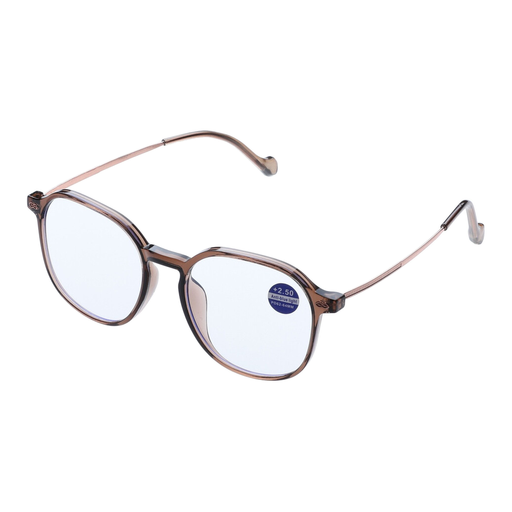
Why This Fits Their Persona: Ideal for users seeking straightforward, robust, and functional reading glasses for daily use at home or in the office. The focus is on durability, not fashion trends.
The full-rim frame effectively protects the lenses from damage and ensures a stable fit, thereby avoiding the common problems of loose or fragile frames.
High Stability: The full-rim design makes the glasses resilient. Classic Design: A timeless look suitable for both men and women.
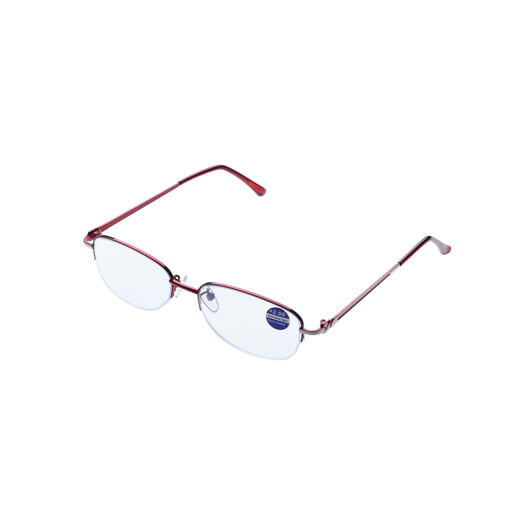
Why This Fits Their Persona: Perfect for individuals who frequently switch between reading on paper or a screen and looking into the distance, for example, during presentations or conversations with colleagues.
The half-rim design eliminates the need to constantly put on and take off the glasses. It provides a stable fit for the reading area without blocking the distance field of view, thus solving the problem of impractical handling.
Functional Gaze Switching: Allows for easy toggling between near and far vision. Good Stability: The upper frame protects the lenses and ensures a secure fit.
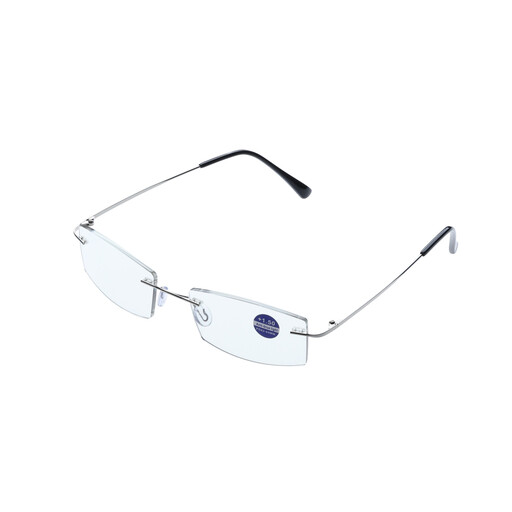
Why This Fits Their Persona: For wearers who prefer a reading aid that is as discreet and lightweight as possible. The minimalist design barely alters one's facial appearance and offers maximum comfort without pressure points.
Contrary to the assumption that rimless glasses are fragile, a sturdy lens mounting system ensures the necessary durability for daily use. The low weight also prevents slipping, a common issue with ill-fitting glasses.
Minimal Weight: Offers superior comfort, even during extended use. Unobstructed Field of Vision: No distracting frame in your line of sight.
In addition to reading glasses that support near vision, there are other optical aids designed for observing distant objects.
We have compiled a complete, real-time list of products that fully satisfy these strict selection criteria and UK safety regulations.
The lifespan of off-the-shelf reading glasses depends on the intensity of use and their quality. It is recommended to replace the glasses as soon as scratches on the lenses impair your vision or the frame loses its stability. Since your eyesight can change over time, a regular vision check-up is advisable.
No, reading glasses are designed exclusively for near-vision tasks. Using them while driving is dangerous as they will blur your distance vision and severely impair your perception of traffic. Product safety warnings explicitly advise against this.
Off-the-shelf reading glasses are a standardised vision aid with two identical lenses to correct age-related farsightedness. In contrast, glasses from an optician are custom-made. They account for the exact dioptre values for each eye, potential astigmatism, and the pupillary distance. If you have a significant difference in vision between your eyes or other visual impairments, custom-fitted glasses are necessary.