
Lieferung heute & morgen

Qualitätsgarantie

Willkommens-Angebote freischalten: KOSTENLOSE Lieferung | Bis zu 80 % RABATT | Kostenlose 30-Tage-JoyPlus-Testphase
App herunterladen
If reading the fine print on documents, books, or your smartphone is becoming a strain, reading glasses are often a straightforward solution. However, the market for off-the-shelf reading glasses is vast, and not every model is suitable for every need. Making the wrong choice can lead not only to dissatisfaction but also to headaches or faster eye fatigue.
As your Joybuy Product Recommendation Officer, I'm here to help you understand the essential criteria. This guide will show you how to avoid common pitfalls and find a functional, durable reading aid that perfectly matches your daily requirements.
Many buyers focus on superficial features, overlooking crucial functional aspects. You should avoid these three mistakes:
To make an informed decision, you should focus on three essential features. These determine the comfort, functionality, and durability of your new off-the-shelf reading glasses.
The strength of reading glasses is measured in diopters (dpt). Common values range from +1.0 dpt to +4.0 dpt in 0.5 increments. Your reading distance can provide a rough guide to estimate your needs:
Note: A simple self-test can provide an initial orientation, but it does not replace a professional eye exam. For an exact determination of your lens strength, a visit to an optometrist or ophthalmologist is recommended.
The frame's design directly impacts your field of view and comfort. There are three main types:
Good reading glasses for men and women should be made from lightweight yet resilient materials. Look for sturdy hinges that won't loosen with frequent use. Nose pads should sit comfortably and not leave pressure marks. Whether you choose a frame made of metal or high-quality plastic depends on your personal preference for weight and flexibility.
Based on the criteria mentioned, we have compiled a few models for typical user profiles.
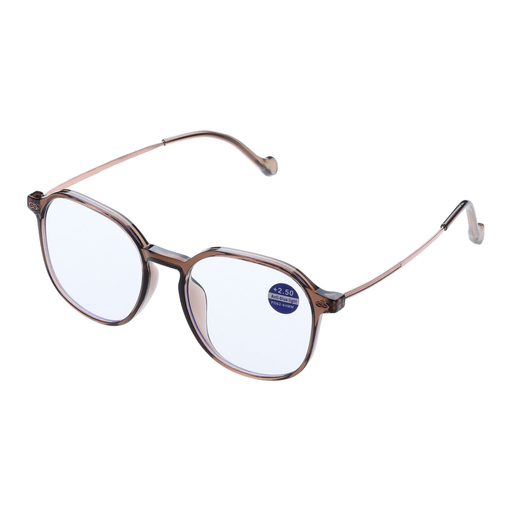
Why this model fits: Ideal for those looking for their first pair of reading glasses. The +1.5 diopter strength is suitable for early presbyopia, and the classic design is unobtrusive and functional for use at home or in the office.
The full-rim frame offers high stability and protects the lenses, making it a durable first pair and avoiding the mistake of rapid wear and tear.
Robust full-rim construction; classic, universal design in a subtle colour.
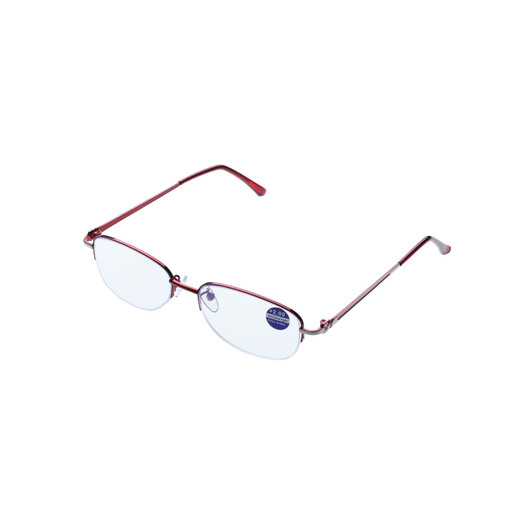
Why this model fits: Perfect for the workplace. Anyone who frequently switches between reading documents and looking at a computer screen or towards colleagues will benefit from the half-rim design, which allows for an unobstructed upward view.
This model solves the problem of an unsuitable frame type. Instead of constantly putting the glasses on and taking them off, a small head movement is all it takes to switch between near and distance vision.
Functional half-rim design for easy multitasking; solid construction for daily use.
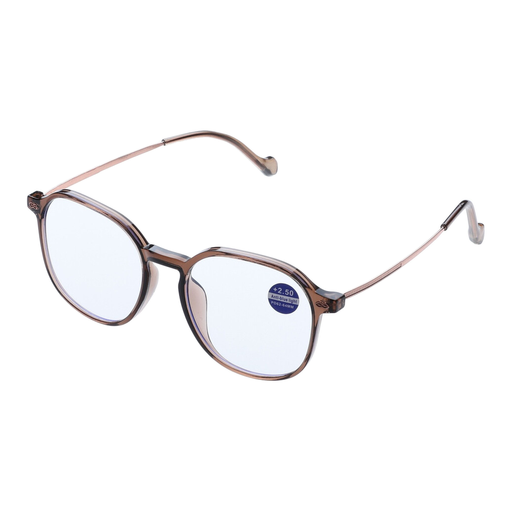
Why this model fits: Designed for individuals who require strong magnification. With +4.0 diopters, these glasses are excellent for reading very small print, medication leaflets, or for detailed craftwork.
This model ensures that a suitable pair of off-the-shelf reading glasses is available even for high correction needs, avoiding the purchase of glasses that are too weak and fail to resolve reading frustration.
High lens strength (+4.0 dpt) for detail-oriented tasks; the robust full-rim frame provides secure support for the stronger lenses.
We have compiled a complete, up-to-date list of products that meet these strict selection criteria and comply with applicable regulations.
A simple method for orientation is the arm's length test: Hold a newspaper or book at your preferred reading distance. If the text is blurry, you likely need a reading aid. Start with a low strength like +1.5 diopter reading glasses and check if reading is comfortable and clear. However, for an accurate measurement and to rule out other vision problems, visiting an optometrist or ophthalmologist is the safest method.
No, absolutely not. Reading glasses are designed exclusively as a visual aid for the near-vision range (approx. 30-45 cm). They correct for presbyopia. When looking into the distance, as required for driving, the glasses would dangerously blur your vision. Never use reading glasses when operating vehicles or machinery.