
Lieferung heute & morgen

Qualitätsgarantie

Willkommens-Angebote freischalten: KOSTENLOSE Lieferung | Bis zu 80 % RABATT | Kostenlose 30-Tage-JoyPlus-Testphase
App herunterladen
When your arms are no longer long enough to read the fine print, it's time for reading glasses. However, the market for ready-made reading glasses can be overwhelming. Many models promise comfort and durability but fail to deliver on their promises in daily use. As your Joybuy Product Recommendation Officer, I'll help you avoid common purchasing pitfalls and find a functional reading aid that meets your needs.
A hasty decision often leads to frustration and unnecessary expense. Pay special attention to these three common weaknesses:
To find reading glasses that you will enjoy using for a long time, you should consider two key parameters: the right strength and the frame type that suits you best.
The strength of a reading aid is measured in diopters (dpt), which describes the refractive power of the lens. Common values range from +1.0 to +4.0 diopters. Age can provide a rough guide for estimating the required strength, as age-related farsightedness (presbyopia) tends to increase predictably.
Important Note: These are only guidelines. For an exact determination of your required lens power, an examination by an ophthalmologist or optometrist is the most reliable method. The right reading glasses with the correct prescription is crucial for visual comfort.
The frame design directly impacts handling and wearing comfort. The three most common types are:
There are numerous models in all frame types for both men's reading glasses and women's reading glasses. A pair of unisex reading glasses with a classic design is often a versatile and timeless choice.
Based on the criteria mentioned, we have identified several models that are well-suited for specific use cases.
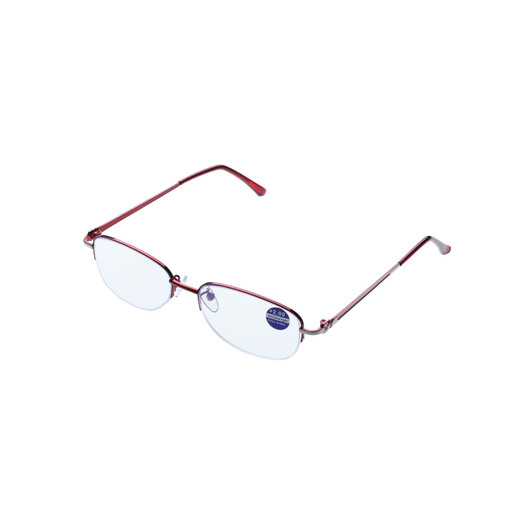
Why this model is a great fit: Ideal for people who frequently switch between reading on paper and looking at a monitor in the office or at home. The half-rim design allows for an unobstructed view ahead without having to remove the glasses.
The functional design solves the problem of an impractical frame for dynamic work environments. Its solid construction provides the necessary stability for daily use.
Functional half-rim design for easy switching of viewing distance; durable construction for the office environment.
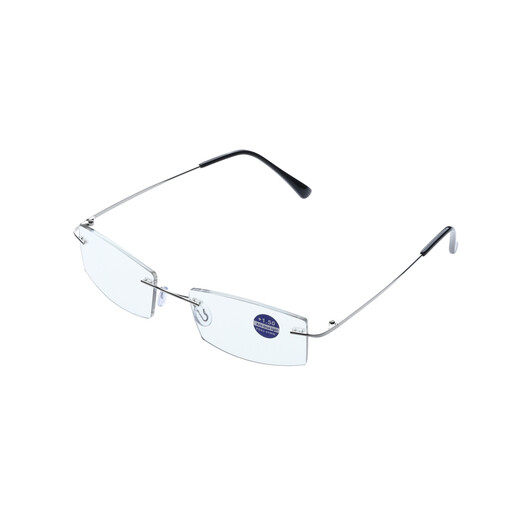
Why this model is a great fit: The rimless design is extremely lightweight and visually very discreet. It is suitable for wearers who want a functional vision aid without making a fashion statement and who value high wearing comfort.
Contrary to the belief that rimless glasses are fragile, a stable lens mounting system ensures the necessary durability, avoiding the pitfall of unstable frames.
Very low weight for all-day comfort; discreet look that complements any style.
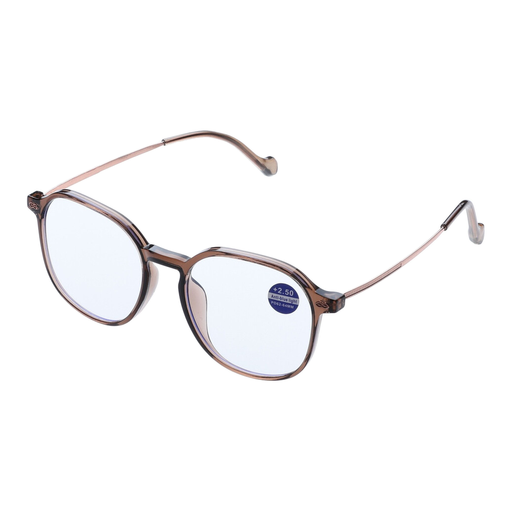
Why this model is a great fit: With a strength of +4.0 diopters, these glasses are designed for reading very small text, such as on package inserts or in contracts. The full-rim frame provides the necessary stability for the stronger lenses.
This model specifically addresses the need for a high lens power, thus preventing the purchase of glasses that are too weak. The robust full-rim frame prevents material fatigue.
High magnification for fine details; stable full-rim frame for a secure lens fit.
We have compiled a complete, up-to-date list of products that meet these rigorous selection criteria and quality standards.
Ready-made reading glasses should be replaced when you notice scratches on the lenses that impair vision, the frame is damaged, or your required lens power has changed. With normal use, replacing them every one to three years is a good rule of thumb.
Using an incorrect strength does not typically cause permanent eye damage. However, it can cause temporary symptoms such as headaches, eye strain, fatigue, or dizziness. If you experience such discomfort, the chosen strength is likely incorrect.
A pair of ready-made reading glasses is a single-vision aid designed exclusively for near vision (approx. 30–40 cm distance). Progressive glasses, on the other hand, have lenses with multiple strengths that allow for a seamless transition between near, intermediate, and distance vision. Progressive glasses are more complex and must be custom-fitted by an optician, whereas reading glasses are a simple and cost-effective solution for reading tasks.