
Lieferung heute & morgen

Qualitätsgarantie

Willkommens-Angebote freischalten: KOSTENLOSE Lieferung | Bis zu 80 % RABATT | Kostenlose 30-Tage-JoyPlus-Testphase
App herunterladen
When the fine print on packaging or the letters on your smartphone screen start to blur, reading glasses are often the first practical solution. However, when buying off-the-shelf reading glasses, there are several pitfalls that can lead to an unsatisfactory result. Many models look appealing at first glance but prove to be impractical or short-lived in daily use. This guide will help you recognise the essential features and make an informed decision.
Before you buy reading glasses, it's helpful to know the typical weaknesses of budget models. This allows you to focus specifically on quality features.
To avoid the problems mentioned above, you should base your selection on objective criteria. The following three points are crucial for the comfort and durability of your reading glasses.
The strength of reading glasses is measured in diopters (dpt). The wrong strength can lead to headaches and faster eye fatigue. Age can serve as a general guide, but it is only a rough estimate.
For an exact determination, an eye exam with an optician or ophthalmologist is the most reliable method. However, if you are looking for a quick, temporary solution, you can start with a value that corresponds to your age and adjust as needed.
The design of the frame is not just a matter of taste, but also of functionality. There are three basic types suited for different use cases.
The durability of reading glasses for men and women depends heavily on the material. Simple plastic frames can become brittle. Look for models made from higher-quality plastic or metal alloys. Sturdy hinges are an indicator of careful craftsmanship and ensure that the temples retain their shape even after frequent use.
Here are some recommendations tailored to different needs and usage habits.
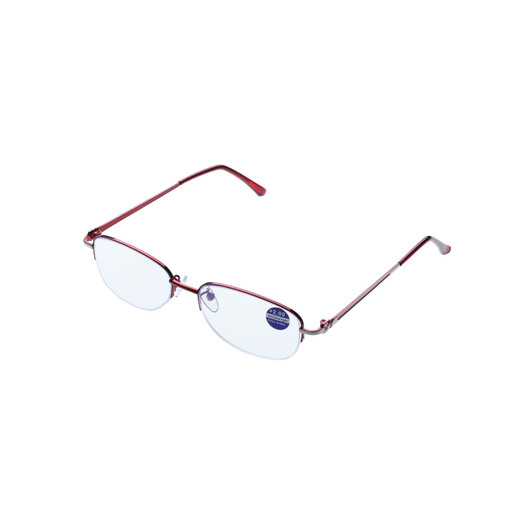
Why This Fits Their Persona: Ideal for those who frequently switch between reading documents and looking at a monitor at their desk. The half-rim design allows for an unobstructed view into the distance without having to take the glasses off.
The functional half-rim design eliminates the need to constantly put on and take off the glasses, which spares the hinges and increases their lifespan.
Functional design for the workplace; classic style for both men and women; solid construction for daily use.
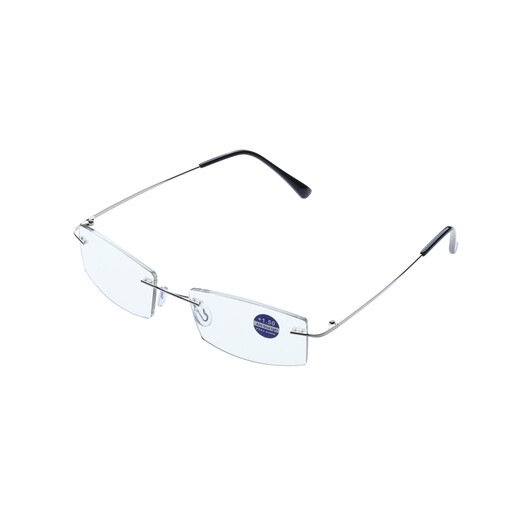
Why This Fits Their Persona: Perfect for users seeking the most discreet and lightweight reading aid possible. The rimless design doesn't interrupt the facial profile and offers a maximally open field of view, which is perceived as comfortable during long reading sessions.
By reducing the design to its essentials, weight is minimized, which prevents pressure points on the nose. The stable lens mounting ensures durability despite the delicate design.
Extremely lightweight and inconspicuous; no distracting frame in the field of view; timeless, silver-coloured design.
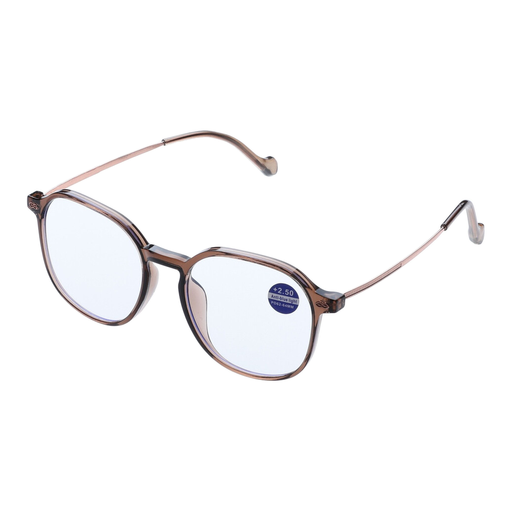
Why This Fits Their Persona: Designed for individuals with advanced presbyopia who require a high lens power (+4.0 dpt) for reading very small text or for detailed work. The full-rim frame provides maximum stability.
The sturdy full-rim frame effectively protects the stronger and potentially thicker lenses from damage and ensures a permanently stable fit, which is especially important for high diopter values.
High magnification for fine details; durable full-rim construction; fashionable transparent frame colour.
The easiest method for a general idea is your age. A more accurate determination is possible through a simple self-test: hold a newspaper or book at your usual reading distance (approx. 30–40 cm). Try out different strengths and choose the one with which you can read the text most sharply and without strain. For a precise measurement, a visit to an optician is recommended.
Off-the-shelf reading glasses are designed for temporary use and to correct age-related farsightedness (presbyopia). They do not harm the eyes when used correctly. It is important to choose the appropriate strength. If you experience headaches or dizziness, the strength may not be correct. Ready-made reading glasses are not a substitute for individually fitted glasses from an optician, especially if you have astigmatism or different prescriptions for each eye.
Clean the lenses regularly with a microfibre cloth to avoid scratches. For heavier soiling, use lukewarm water and a mild soap solution. Always store the glasses in a case when not in use. Never place them lens-down and avoid exposing them to extreme heat, such as on a car dashboard.