
Lieferung heute & morgen

Qualitätsgarantie

Willkommens-Angebote freischalten: KOSTENLOSE Lieferung | Bis zu 80 % RABATT | Kostenlose 30-Tage-JoyPlus-Testphase
App herunterladen
When reading the fine print becomes a challenge, reading glasses are a simple and effective solution. However, the market for off-the-shelf reading glasses is vast, and the selection can be overwhelming. Many buyers pick the wrong model, only to be frustrated by poor quality or an incorrect prescription strength. As your Joybuy Product Recommendation Officer, I'll help you navigate the common pitfalls and find a functional, durable reading aid that perfectly suits your needs.
A hasty decision often leads to frustration and unnecessary expense. Watch out for these three common problems to avoid making the wrong choice:
To find the right prescription reading glasses, you should focus on a few essential features. These parameters determine the comfort, durability, and utility of your new vision aid.
The strength of reading glasses is measured in diopters (dpt). Common values range from +1.0 dpt to +4.0 dpt in 0.5 increments. An age-based guide can offer a rough orientation, but it is no substitute for an individual test:
For a more accurate determination, you can have a simple eye test done by an optician or use a standardised reading test from a distance of 30–40 cm. Start with a low strength and increase it until you can read the text clearly and without strain.
The frame affects not only the look but also the functionality. There are three basic types, each suited for different users:
Both reading glasses for women and reading glasses for men are available in all frame types and in classic as well as modern designs.
To make your decision easier, we have selected a few models based on typical use cases.
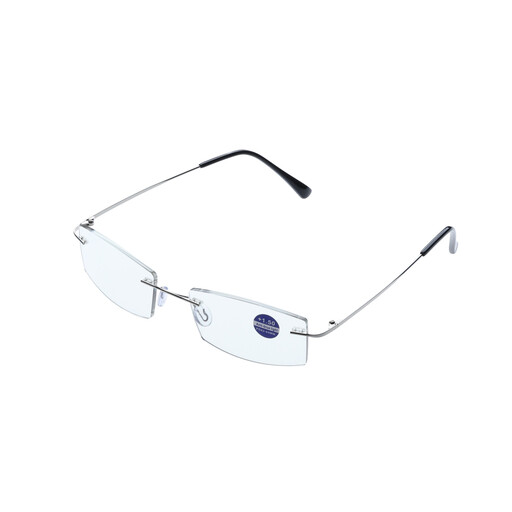
Why it's a great fit: The extremely lightweight, rimless design is ideal for users who need an inconspicuous vision aid. It offers an unobstructed field of view and is barely noticeable—perfect for office use or occasional reading.
The rimless design is the direct answer to the pitfall of an unsuitable frame type. It doesn't obstruct your field of view and is optimised for switching between different visual tasks.
Minimal weight and a discreet look. The stable lens mounting ensures durability despite the delicate design.
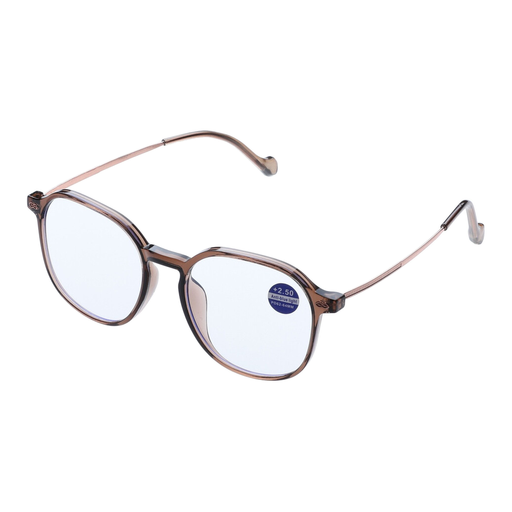
Why it's a great fit: A sturdy full-rim frame offers optimal protection and a secure fit. Perfect for extended reading sessions at home, whether with a book, newspaper, or tablet. The classic design is timeless and suitable for both men and women.
The robust full-rim construction made from durable material counteracts the problem of brittle, low-cost glasses and ensures a long service life.
High stability and durability. The frame ensures the lenses are held securely and withstands the stresses of daily use.
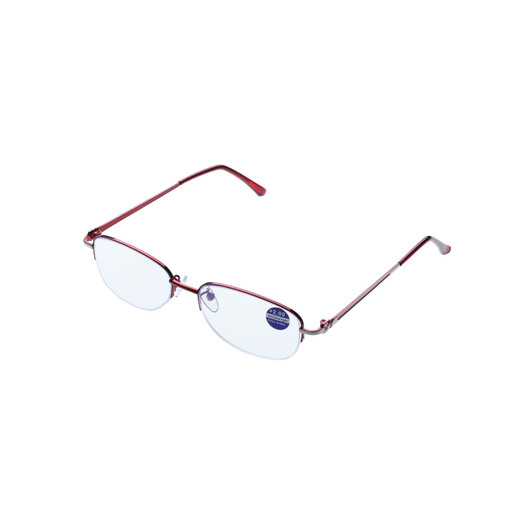
Why it's a great fit: The half-rim design is the solution for multitasking. It allows you to easily look over the top of the lenses to see the television or a conversation partner without having to take the glasses off.
This model solves the problem of an impractical frame for dynamic everyday situations, preventing the glasses from feeling intrusive.
Maximum flexibility thanks to the easy switch between near and distance vision. The robust construction also provides the necessary stability.
The easiest method is a self-test: hold a newspaper or book at your usual reading distance (approx. 30–40 cm). Try out different strengths, starting with +1.0 dpt. The correct strength is the lowest one that allows you to see the text clearly and comfortably. When in doubt, or if you have pre-existing conditions, it is advisable to consult an ophthalmologist or optician.
When used correctly to correct for age-related farsightedness (presbyopia), off-the-shelf reading glasses are safe. However, they are not a substitute for glasses custom-fitted by an optician if you have different prescription strengths in each eye, an astigmatism, or other vision defects. If you experience headaches or discomfort while using them, stop wearing the glasses and consult a professional.
Reading glasses should be replaced as soon as the lenses are scratched or the frame is damaged, as this impairs visual quality. Furthermore, since age-related farsightedness increases over the years, you may find you need a higher diopter strength every two to three years. If you notice that reading is becoming strenuous again, it's time for a new, stronger reading aid.