
Lieferung heute & morgen

Qualitätsgarantie

Willkommens-Angebote freischalten: KOSTENLOSE Lieferung | Bis zu 80 % RABATT | Kostenlose 30-Tage-JoyPlus-Testphase
App herunterladen
Reading glasses should make nearby text easier to see and be convenient to use every day. But when choosing a pair, the stated magnification isn’t the only thing to consider. Unclear product descriptions, an ill-fitting frame or the wrong strength can quickly make your glasses impractical.
This buying guide explains what adults in Germany should look for in reading glasses for women and men – from affordable entry-level options to smart audio and translation glasses for business trips.
Many products use values such as 150D, 200D, 300D or 400D. In this range, these labels correspond approximately to strengths of +1.5, +2.0, +3.0 and +4.0. A higher number doesn’t automatically mean greater comfort. What matters is whether the strength suits your vision and your usual reading distance.
For example, reading glasses that are too strong may not feel suitable for reading longer texts or working at a screen. If you experience persistent headaches, eye strain or blurred vision, stop using them and seek advice from an optician or eye-care professional.
Marketing images often show fashionable colours or particularly slim frames. But other factors matter for everyday use: Do the glasses stay in place? Are the lenses adequately protected? Is the frame easy to clean and safe to store?
Full-rim reading glasses completely surround the lenses, helping to keep them securely in place. Half-frame glasses, on the other hand, make it easier to switch between near and distance vision. Rimless reading glasses look light and understated, but need to be handled carefully because they have less frame material.
Reading glasses are a visual aid, not safety glasses. They’re not suitable for driving or operating machinery, and they shouldn’t replace individually prescribed eyewear. When working at a screen, you should also take the distance from the monitor into account. If you use glasses regularly or for long periods, individually prescribed lenses may be a better choice.
The right strength depends on factors such as the font size, the distance from the text and your individual vision needs. The range includes several strengths:
Always compare the strength shown on the product page with your own experience. If you already use a strength that works for you, use it as a guide. If you’re trying reading glasses for the first time, compare options carefully and don’t wear them while driving or carrying out safety-critical tasks.
Half-frame glasses sit in the lower part of your field of vision. When reading, you look through the lenses; when looking up, it’s easier to look over the frame. This can be handy if you often switch between documents, your keyboard and your surroundings at work.
Full-rim frames have material around the entire lens and are often chosen as a robust option for everyday use. Rimless styles reduce the amount of visible frame and suit those who prefer a more discreet look. Colours such as red or transparent tea cater to different style preferences, but don’t affect the strength you need.
Depending on the model, product descriptions list metal or plastic frames and plastic or magnifying lenses. A protective case, if included, can help prevent scratches during transport. Clean your glasses with a soft microfibre cloth. Avoid extreme heat, prolonged direct sunlight and liquids unless the product instructions say otherwise.
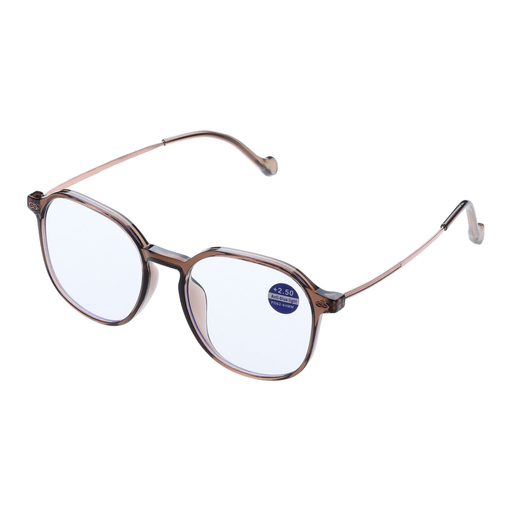
Why this product suits this profile: The 150D version offers low magnification for reading books, documents and digital screens. The understated transparent tea colour works well for women and men at home or in the office.
The clear 150D label makes it easier to identify the strength. The full-rim frame is less open than a rimless design and completely surrounds the lenses.
150D magnification, full-rim design and transparent tea colour; listed as 1 pair.
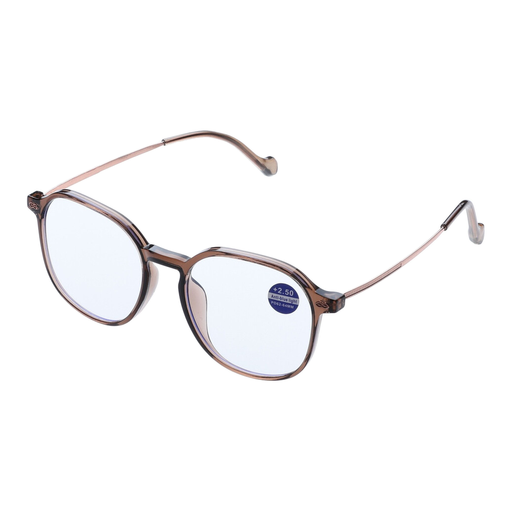
Why this product suits this profile: The 400D strength is intended for those looking for high magnification to read very small print or detailed documents.
The strength is clearly stated as 400D. The full-rim construction surrounds the lenses completely, helping to keep them securely in place.
400D magnification, full-rim frame and protective case included, according to the product description.
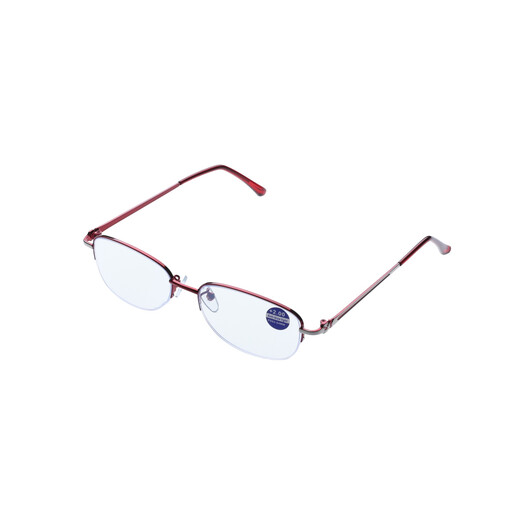
Why this product suits this profile: These half-frame glasses suit people who regularly switch between reading and looking at their surroundings, whether in the office, working from home or relaxing at home.
The half-frame design is specifically suited to switching between reading and looking into the distance. The 300D strength clearly corresponds to the +3.0 category.
Half-frame design, red frame, 300D magnification and protective case included, according to the product description.
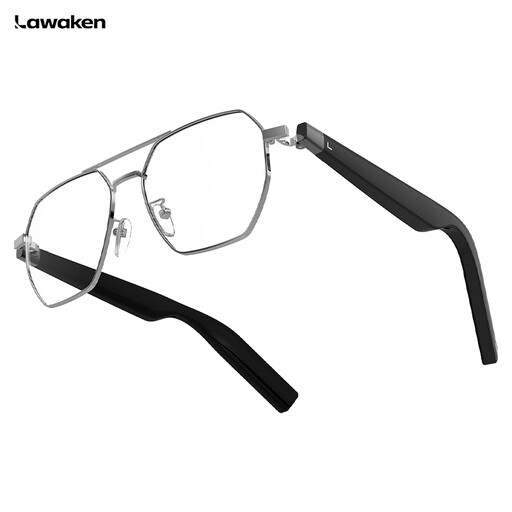
Why this product suits this profile: For business travellers and professionals looking for audio and translation glasses for meetings or trips, alongside their reading glasses.
The product details give specific technical specifications rather than relying on vague claims: Bluetooth 5.3, IPX4 water resistance, IP5X dust protection and compatibility with prescription lenses.
Real-time translation in 128 languages, according to the product description, open-ear audio, two microphones, a weight of 33 g without lenses and a stated battery life of up to 12 hours.
We’ve put together a complete, regularly updated list of products that meet these strict selection criteria and fully comply with the safety regulations in force in the EU.
Start by choosing a strength based on your previous needs and usual reading distance. Then decide between half-frame, full-rim and rimless reading glasses. Half-frame glasses can be handy if you often switch between reading and looking around; a frame that fully surrounds the lenses is a good choice if you’ll be carrying your glasses around every day.
Their lifespan depends on the materials, how often you use them, how you clean them and how you store them. A protective case, a microfibre cloth and avoiding extreme heat can help keep your glasses in good condition. If the lenses are scratched, the arms are loose or your vision changes, stop using the glasses if this affects their performance.
It depends on the distance, font size and strength you choose. Reading glasses aren’t automatically suitable for every screen distance. Don’t wear them while driving or operating heavy machinery. If you experience regular eye strain or persistent discomfort, it’s worth seeking individual advice.