
Lieferung heute & morgen

Qualitätsgarantie

Willkommens-Angebote freischalten: KOSTENLOSE Lieferung | Bis zu 80 % RABATT | Kostenlose 30-Tage-JoyPlus-Testphase
App herunterladen
Reading glasses should make things at close range easier to see while fitting effortlessly into your daily routine. Whether you’re reading books, bills or documents, or looking at a screen at work, what matters is choosing the right strength and frame, and using your glasses safely – not flashy advertising claims.
It’s easy to make the wrong choice, particularly when buying inexpensive ready-made reading glasses. The points below can help you narrow down your options objectively.
On these products, labels such as 150D, 250D or 400D usually indicate magnification strengths of around 1.5 to 4.0 dioptres. A higher number doesn’t automatically mean a better fit. If you choose too strong a pair, reading may become uncomfortable. If you experience headaches or eye discomfort, stop wearing them and seek advice from an optician or eye specialist.
Ready-made reading glasses are not individually tailored, either. They don’t take account of differences between your right and left eyes or variations in your pupillary distance.
Half-rim reading glasses can be practical if you regularly switch your gaze between a book and your surroundings. Full-rim reading glasses encircle the lenses completely, which can help keep them securely in place. Rimless reading glasses have a light, understated look, but their fittings need to be handled with care.
Colours such as red, silver or clear mainly affect the look of the glasses. For everyday comfort, fit, lens position and build quality matter more.
Reading glasses are designed for close-up use. They are not suitable as safety glasses and should not be worn while driving or operating heavy machinery. Extended screen use may also call for a different vision solution, particularly if the monitor is much farther away than a typical reading distance.
You may want greater magnification for small, fine print, while larger text may be comfortable with a lower strength. The range includes options such as:
This guide is intended as a helpful starting point and is no substitute for an individual eyesight assessment. Use your glasses at the intended distance, and don’t choose a higher strength based on the product description alone.
For reading glasses for the office and home, the frame should feel comfortable and stay in place when you look down. A half-rim design makes it easier to switch between reading and looking into the distance. A full-rim design fully encircles the lenses and offers a classic, more enclosed look. Rimless styles minimise visible frame elements for a more discreet appearance.
The same styles may suit women and men, provided the width, arms and nose pads fit well. However, the label ‘unisex’ alone tells you nothing about how well a pair will fit you.
Clean the lenses with a soft microfibre cloth and keep your glasses in a case when you’re not wearing them. Excessive heat and prolonged exposure to direct sunlight can put strain on the materials and lenses. Keep reading glasses out of reach of young children, as the lenses or frame may break if handled roughly.
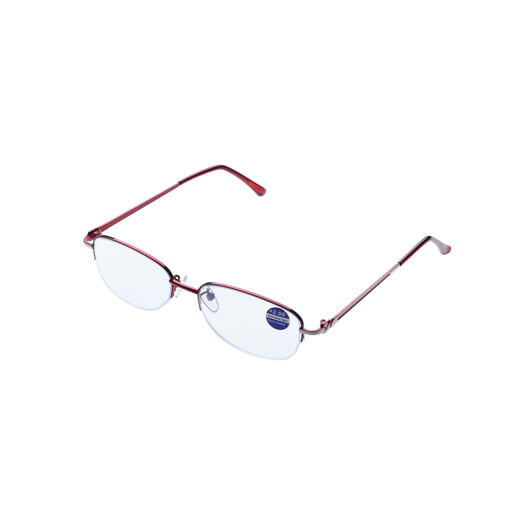
Why this product suits this profile: The lower strength is a good starting point for reading larger print, books or the occasional piece of text. The red half-rim style is designed for women and men, with an open field of vision above the lenses.
The stated 150D strength makes it easier to choose the right magnification rather than automatically opting for a higher one. The half-rim design is clearly intended for close-up reading.
Half-rim design, red colour and stated 150D strength for everyday reading.
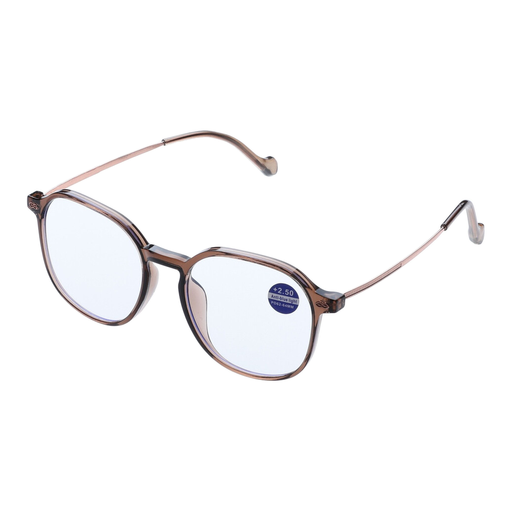
Why this product suits this profile: These full-rim reading glasses have a 400D strength and are intended for people who want to read very small print at close range and prefer lenses fully enclosed by the frame.
The high strength is clearly stated, so you can check before buying whether it suits your intended reading distance and the size of the print.
Full-rim design, transparent tea colour, 400D magnification and a case included, according to the product description.
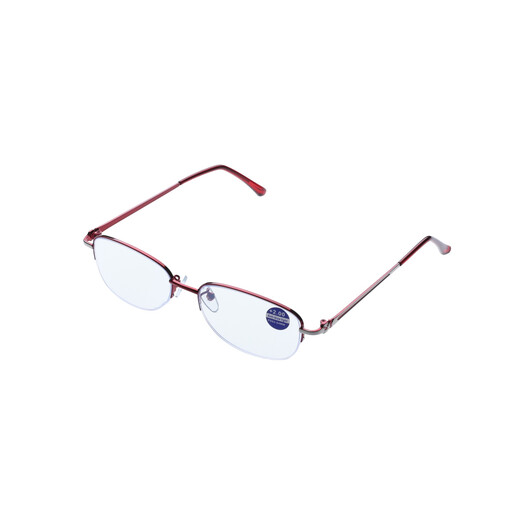
Why this product suits this profile: For regular reading of documents and books, or viewing digital screens, the half-rim design combines a stated 300D strength with the convenience of switching between close-up tasks and looking around you.
The half-rim design means you don’t need to remove your glasses every time you shift your gaze. The strength is clearly stated, so you can compare it with your needs.
Half-rim design, 300D magnification and a red finish; described as suitable for the office and home.
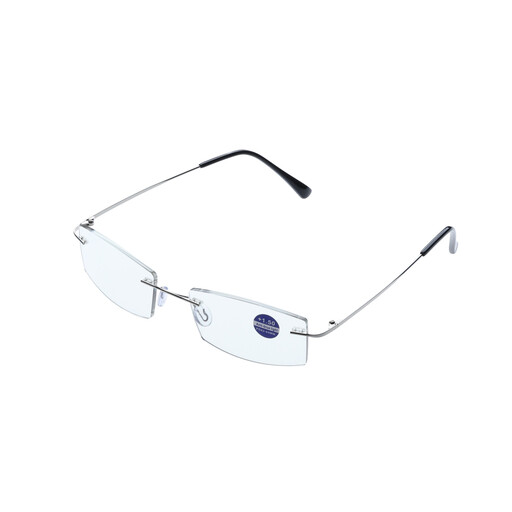
Why this product suits this profile: These silver rimless reading glasses are designed for women and men who prefer an understated look and a lower strength for reading books, documents or screens.
The 150D strength helps you avoid choosing a higher magnification without good reason. Take extra care to protect the rimless design from pressure and scratches when storing it.
Rimless design, silver finish, 150D magnification and a case, according to the product details.
If you’re looking for classic reading glasses in a different strength, there are several styles to choose from. Options include half-rim reading glasses in 200D, 250D or 350D, full-rim styles in 250D or 300D, and rimless styles from 200D to 400D. As well as red and silver reading glasses, transparent tea-coloured styles are available.
Before you buy, compare these three details:
We’ve put together a complete, regularly updated list of products that meet these strict selection criteria and fully comply with the safety regulations in force in the EU.
The models in this selection range from around 1.5 to 4.0 dioptres. The right strength depends on the size of the print, your reading distance and your individual eyesight. Ready-made reading glasses are no substitute for an individual eye test.
How long they last depends on the materials, how often you use them and how you store them. A case, a microfibre cloth and protection from heat can help reduce scratches and damage. If the arms become loose, the lenses are damaged or you experience ongoing discomfort, stop wearing the glasses.
It depends on your distance from the screen and the strength you’ve chosen. Reading glasses are generally designed for close-up use. They must not be worn while driving or used as safety glasses. If you work at a screen regularly and experience discomfort, it’s worth seeking individual advice.