
Lieferung heute & morgen

Qualitätsgarantie

Willkommens-Angebote freischalten: KOSTENLOSE Lieferung | Bis zu 80 % RABATT | Kostenlose 30-Tage-JoyPlus-Testphase
App herunterladen
Reading glasses make small print in books, documents and on screens easier to see. But when buying online, colour and price aren’t the only things to consider. People often end up with the wrong pair because they misjudge the strength they need, choose a frame that doesn’t suit how they’ll use it, or rely on product claims that are too vague.
This buying guide explains what to look for when choosing magnifying reading glasses, and which styles may suit the office, home and different reading habits.
Many styles are listed with ratings such as 150D, 200D, 300D or 400D. These usually correspond to approximately 1.5 to 4.0 dioptres in product listings. However, the right strength depends on your reading distance, print size and individual vision needs.
Glasses that are too strong can make reading uncomfortable. If you experience headaches, eye strain or persistent blurred vision, stop wearing them and seek advice from an optician or eye specialist. Ready-made reading glasses are not individually made prescription glasses.
A striking red pair of reading glasses or silver rimless glasses may look appealing. For everyday use, though, other factors matter more:
Half-rim reading glasses make it easier to look over the lenses and focus on things in the distance. Full-rim reading glasses completely surround the lenses, creating a more enclosed, sturdy frame. Rimless reading glasses have a subtle look and less frame in your field of vision, but need to be handled with care.
Reading glasses are designed for close-up tasks. They must not be used as safety glasses, while driving or when operating heavy machinery. Claims such as ‘for the office and home’ are no substitute for checking the fit and strength.
Also check whether a case is included. A case and a microfibre cloth help prevent scratches and dirt while the glasses are being stored. According to the product information, the EU responsible person for the products listed here is Jingdong Retail Germany GmbH, Kasseler Straße 7, 35418 Buseck, Germany.
The range includes reading glasses from 1.5 to 4.0 dioptres. As a guide:
This is only a practical guide. Check the product rating against the strength you actually need before placing your order.
Half-rim reading glasses are practical if you regularly look up while reading, for example at the office, at your desk or while watching TV. Full-rim reading glasses suit those who prefer glasses with fully enclosed lenses. Rimless reading glasses are all about a pared-back look and minimal frame in your field of vision.
Classic styles in red, silver and transparent tea tint are available for women and men. However, colour doesn’t affect the magnifying strength. The key factors are the dioptre rating, lens alignment and fit.
Your viewing distance often changes when you’re reading on a screen. A half-rim frame can make it easier to switch your focus between close-up work and your surroundings. For longer periods of screen use, your glasses should feel comfortable and stay in place. If you regularly experience eye strain, it’s worth having your vision checked individually.
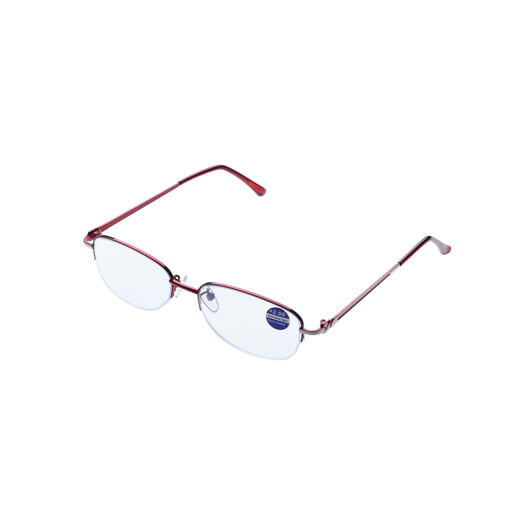
Why this product suits this profile: The 150D strength is a lower-strength option in the range. These red half-rim glasses are designed for books, documents and occasional screen use at home or in the office.
The half-rim design makes it easier to look up, rather than covering the whole field of vision with a full rim.
150D strength, half-rim design and red frames; listed as suitable for women and men.
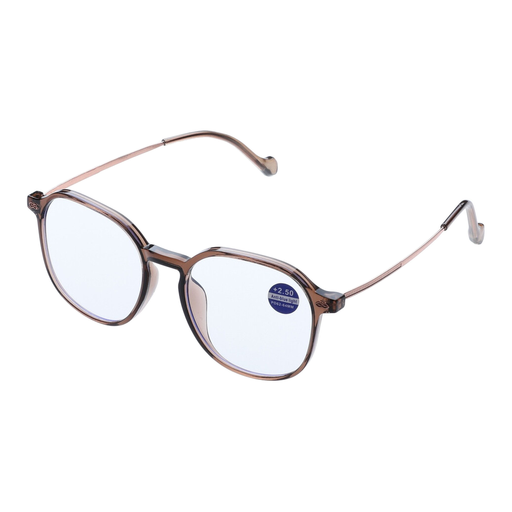
Why this product suits this profile: The fully enclosed frame is designed for those who prefer a classic, enclosed style and a mid-range strength for regular use.
The full-rim design helps ensure the lens is fully enclosed and is less dependent on you frequently shifting your gaze.
300D strength, full-rim construction and a transparent tea tint; described as a classic unisex style.
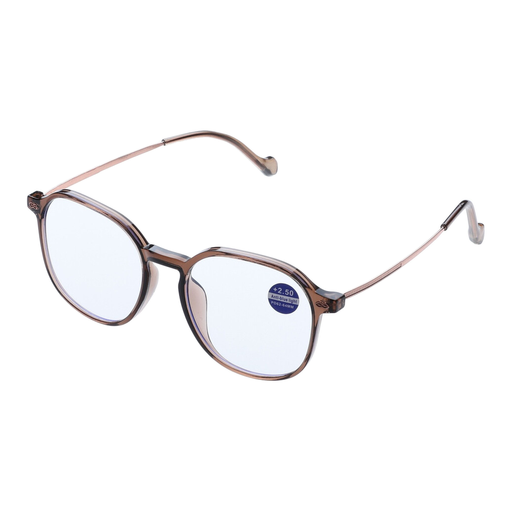
Why this product suits this profile: The 400D version is for people looking for high magnification to read very small print or detailed documents.
The specific 400D rating makes the high magnification level clear, helping you match your choice to your personal reading distance.
400D strength, fully enclosed frame and a case included, according to the product description.
Lower to mid-range strengths between 1.5 and 3.0 dioptres are often suitable for standard print. For very small print, you may want to choose a higher strength, such as 3.5 or 4.0 dioptres. Your personal reading distance and comfort are what matter most, not your age alone.
How long they last depends on the frame material, how much they’re used each day and how they’re stored. Keep your reading glasses in their case, clean them with a microfibre cloth and avoid exposing them to high temperatures or direct sunlight. If they become loose, the lenses get scratched or your vision changes, consider replacing them or seeking advice from an optician.
That depends on the viewing distance, strength and how comfortable they are for you. Reading glasses are designed for close-up use and aren’t intended as safety glasses. If you use a screen regularly, check the fit, viewing distance and lighting. If you experience headaches or eye strain, stop using them and seek professional advice.