
Lieferung heute & morgen

Qualitätsgarantie

Willkommens-Angebote freischalten: KOSTENLOSE Lieferung | Bis zu 80 % RABATT | Kostenlose 30-Tage-JoyPlus-Testphase
App herunterladen
Reading glasses should make small print easier to read, feel comfortable and be easy to use every day. But when shopping, many people focus first on the colour or price. This can mean overlooking important details such as the right magnification, frame style and safe use.
At first glance, labels such as “300D” or “400D” might look like quality ratings. In fact, for these products they indicate the magnification strength: 300D is approximately 3.0 dioptres, while 400D is approximately 4.0 dioptres. Stronger magnification isn’t necessarily better. It should suit your vision and the distance at which you usually read.
If you use reading glasses that are too strong, you may experience discomfort or eye strain. If symptoms persist, seek advice from an eye care professional. The models featured here are not individually made visual aids or prescription glasses.
Half-frame reading glasses sit only in the lower part of your field of vision. They can be handy if you switch between a book, documents and a screen, and occasionally want to look into the distance. Full-frame reading glasses enclose the lenses completely for a more classic, fully framed look.
Rimless reading glasses have a discreet appearance and may be less noticeable when you look through the lenses. However, you should take extra care when handling and storing them. So the frame style affects not only how the glasses look, but also where and how they’re best used.
Descriptions such as “classic”, “modern” or “for men and women” don’t tell you much about how practical a pair will be day to day. Instead, check:
The range includes reading glasses with magnification of around 1.5 to 4.0 dioptres. The labels 150D, 200D, 250D, 300D, 350D and 400D correspond to approximately 1.5 to 4.0 dioptres.
As a guide:
This guide is no substitute for an individual assessment of your vision. If you’re unsure which strength you need, seek professional advice.
Half-frame glasses can be practical in the office if you often switch between reading and looking around the room. Full-frame glasses have a fully enclosed design and suit more traditional use at home or at work. Rimless styles with silver details have a subtle look and are a good choice if you prefer a frame that’s as discreet as possible.
Fingerprints and dust can make reading harder. Clean your glasses with a soft microfibre cloth. A reading glasses case protects the lenses from scratches in your bag, a drawer or a desk compartment. After use, don’t leave glasses that come with a case loose on a table or underneath heavy items.
These models are intended for reading only. They must not be used as safety glasses, while driving or when operating heavy machinery.
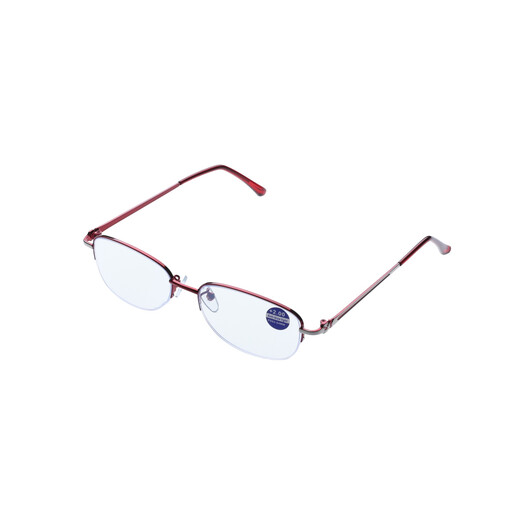
Why this product suits this type of buyer: These red half-frame reading glasses have a clearly stated strength of 3.0 dioptres and are designed for reading books, documents and digital screens at home or in the office.
The strength is clearly stated, rather than relying on vague claims about magnification. The half-frame design makes it easier to switch between near and distant vision.
Half-frame design, 3.0 dioptres and a classic unisex style; according to the product description, they come with a protective case.
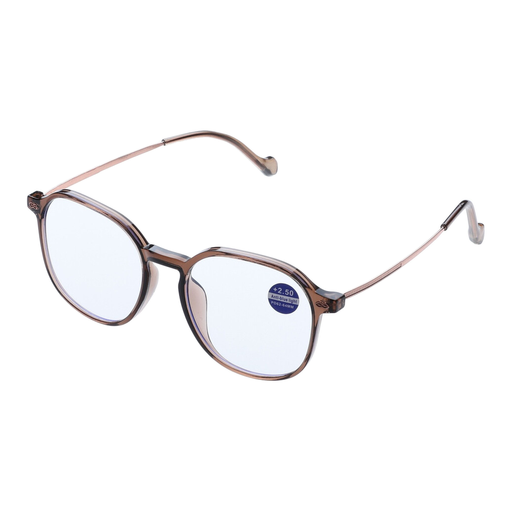
Why this product suits this type of buyer: These full-frame reading glasses are for those who prefer a fully enclosed frame and higher magnification for very small print.
The 4.0-dioptre rating makes it easier to choose with confidence. The fully rimmed lenses suit anyone looking for a full-frame design that feels sturdy.
Full-frame design, 4.0 dioptres and a transparent tea colour; according to the description, they come with a protective case.
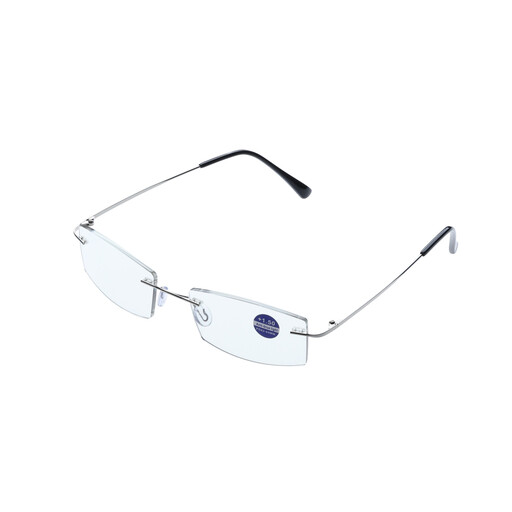
Why this product suits this type of buyer: The silver rimless design is a good choice if you want a lightweight, understated look for regular reading at home or in the office.
The moderate strength of 1.5 dioptres helps you avoid simply opting for a higher number. A case helps keep the rimless design protected when it’s not in use.
Rimless design, silver finish and 1.5 dioptres; according to the product description, they’re designed for books, documents and screens.
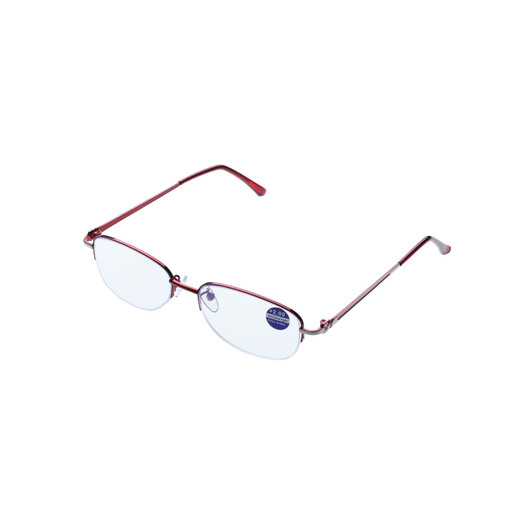
Why this product suits this type of buyer: These half-frame glasses with 2.0 dioptres are a good option if you regularly switch between reading material and looking around you.
The 2.0-dioptre strength is clearly stated. The open upper part of the frame makes it easier to switch between reading and looking around the room.
Half-frame design, 2.0 dioptres and a classic red frame; according to the description, they come with a protective case.
We’ve put together a complete, regularly updated list of products that meet these strict selection criteria and the safety regulations in force in the EU.
Consider the size of the print, your usual reading distance and the strength you’ve used before. The products in this selection range from around 1.5 to 4.0 dioptres. If you’re unsure or experience persistent eye strain, it’s a good idea to seek professional advice.
How long they last depends on daily use, the materials, and how you clean and store them. Don’t carry reading glasses loose in a bag, expose them to high temperatures or clean them with rough cloths. If they’re scratched, have loose arms or show visible damage, they should be replaced or checked.
According to the product details, the models described are suitable for digital screens. However, they aren’t safety glasses and don’t replace individually prescribed screen glasses or corrective glasses. Make sure you’re at a suitable distance from the screen, have enough light and take regular breaks.