
Lieferung heute & morgen

Qualitätsgarantie

Willkommens-Angebote freischalten: KOSTENLOSE Lieferung | Bis zu 80 % RABATT | Kostenlose 30-Tage-JoyPlus-Testphase
App herunterladen
Reading glasses should make small print easy to read at close range and be comfortable and convenient to use every day. But there’s more to consider when buying a pair than just colour and price. The wrong strength, an unstable frame or an unsuitable design can mean your glasses end up barely being used after a short time.
The Joybuy Product Recommendation Officer distils the key things to look for and explains what adults with age-related vision changes should consider when buying reading glasses.
Reading glasses are often sold in strengths such as 1.5 dioptres, 2.0 dioptres or 3.0 dioptres. Product names may also show these as 150D, 200D or 300D. These labels usually correspond to:
A higher strength won’t necessarily make text more comfortable to read. If it’s too strong for your individual reading distance, you may experience blurred areas, headaches or eye strain. If you plan to wear your glasses for extended periods, it’s best to have your required strength determined by a professional eye test.
Half-rim reading glasses make it easier to look over the lower edge of the frame into the distance. This can be useful in the office or when reading at a computer. Full-rim reading glasses completely surround the lenses and can help keep them securely in place. Rimless reading glasses have a more understated look and may be less noticeable.
No one style is right for everyone. The best choice depends on how you plan to use your glasses, how they fit on your nose and how often you switch between near and distance vision.
Claims such as ‘suitable for all ages’ or ‘extra comfortable’ don’t tell you much without technical details. Before buying, check:
Reading glasses for the office and home are usually used for books, documents, smartphones or screens at relatively close range. The strength you need can vary depending on your age, existing prescription, distance from the reading material and individual vision.
If you’ve been comfortable with 1.5 dioptres, don’t switch to 2.5 dioptre reading glasses or 3.0 dioptre reading glasses without a specific reason. 3.5 dioptre reading glasses and 4.0 dioptre reading glasses are also available for very small print. These higher strengths should be chosen with particular care.
If you experience headaches, eye strain or persistent blurring while wearing your glasses, take them off. If the symptoms continue, seek advice from an optometrist or ophthalmologist.
A full-rim frame completely surrounds the lenses and can offer a sturdy construction for everyday use. A half-rim frame makes it easier to look over the frame. Rimless models have a more minimal construction, so take particular care with the attachment points and arms.
Also look for:
Classic reading glasses in transparent tea or silver are easy to pair with office and casual clothes. Red reading glasses, on the other hand, can be a statement accessory. Colour doesn’t affect the optical strength. Simple, unisex styles are available for both women and men.
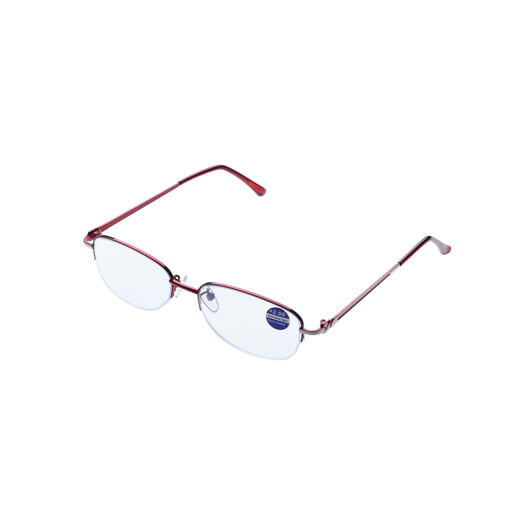
Why this product suits this profile: The 1.5-dioptre option may suit people looking for a lower strength for books, documents or occasional reading. The red half-rim frame is eye-catching yet classic.
The specific 150D rating means you don’t have to judge the strength based on a vague marketing claim. The half-rim design makes it easier to switch between reading and looking into the distance.
Half-rim design, red finish and 1.5 dioptres for short reading tasks.
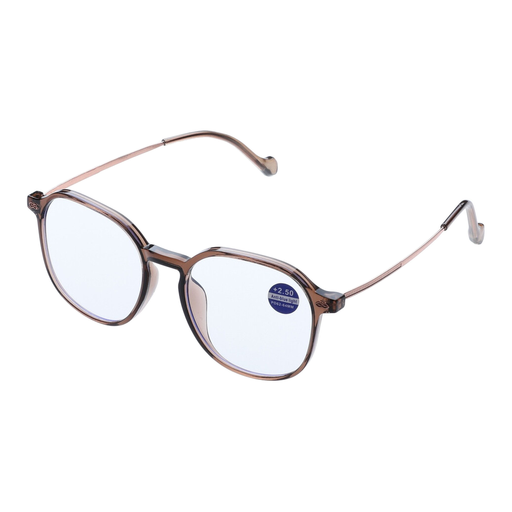
Why this product suits this profile: The full-rim frame completely surrounds the lenses. The 3.0-dioptre option is intended for people who already need this strength to read small print.
The product details specify both the frame style and the 300D strength, so you can make an informed choice without relying on vague claims about comfort.
Full-rim design, transparent tea colour and a clearly stated strength of 3.0 dioptres.
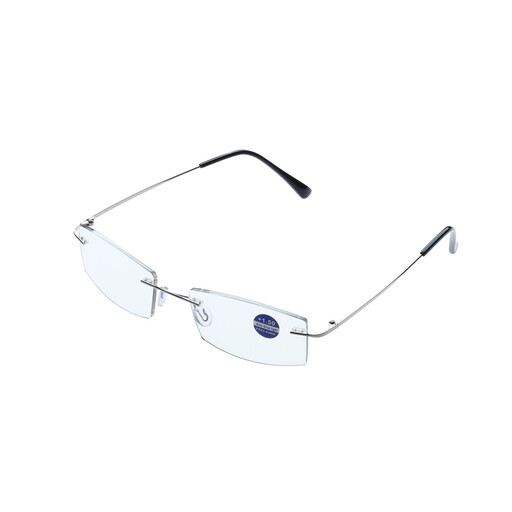
Why this product suits this profile: These rimless reading glasses are designed for people who prefer an understated look and need a stated strength of 4.0 dioptres.
The high strength is clearly stated as 400D. The product information also advises that these glasses must not be used for driving or as safety glasses.
Rimless construction, silver finish and 4.0 dioptres for very small print.
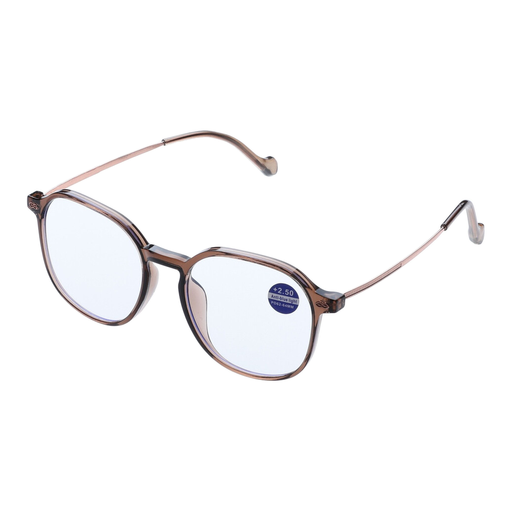
Why this product suits this profile: The full-rim style suits people who prefer lenses completely enclosed by a frame when reading at home or in the office. The 4.0-dioptre option is intended for those who need a correspondingly high strength.
The product description clearly states the full-rim construction, strength and intended uses. These glasses are not described as safety glasses or driving glasses.
Full-rim construction, transparent tea colour and 4.0 dioptres.
We’ve put together a complete, regularly updated list of products that meet these strict selection criteria and the safety regulations in force in the EU.
Reading glasses are not individually made prescription glasses and are not intended for driving, operating heavy machinery or use as safety glasses. Clean them with a soft microfibre cloth and keep them in a case when you’re not wearing them. Extreme heat, prolonged exposure to direct sunlight and heavy physical impact can damage the frame and lenses.
How long they last depends on how they’re used and stored, as well as the quality of their materials and construction. Check regularly for loose lenses or damage to the frame. If your vision continues to deteriorate, or you experience double vision or discomfort, seek professional advice.
You can’t determine this based on age alone. Your individual vision, reading distance and intended use all matter. Your current strength can be a helpful guide, but if you’re unsure, an eye test is a better option than choosing based on general advice.
With careful storage, you may be able to use a pair of reading glasses for a long time. Scratches, loose lenses, bent arms or changes in your vision are all reasons to have them checked or replaced. There’s no reliable way to give a fixed lifespan, as wear and tear varies from person to person.
Yes, as long as the strength is right for you and suits your distance from the screen. You may need a different strength for extended computer use than for reading a book at closer range. If you experience headaches or eye discomfort, have the strength checked by a professional.