
Lieferung heute & morgen

Qualitätsgarantie

Willkommens-Angebote freischalten: KOSTENLOSE Lieferung | Bis zu 80 % RABATT | Kostenlose 30-Tage-JoyPlus-Testphase
App herunterladen
Reading glasses should give you reliable support when reading books, documents or screens, while feeling comfortable to wear every day. But buying decisions often go wrong not because of how the glasses look, but because of unclear product information, an unsuitable frame style or too much magnification.
Product descriptions such as 150D reading glasses, 200D reading glasses or 400D reading glasses often use simplified retailer terminology. They usually refer to a strength of around +1.50 to +4.00 dpt. An actual prescription of 150 dioptres would not be a normal strength for reading glasses.
Before you buy, check how the retailer describes the strength. If you’re unsure, have your eyesight checked by an ophthalmologist or optometrist. Ready-made reading glasses are not a substitute for individually prescribed glasses.
300D reading glasses or 400D reading glasses may suit very small print, but they’re not necessarily more comfortable than a lower strength. Glasses that are too strong can make reading harder and may contribute to headaches or eye strain during prolonged use.
For many everyday situations, lower strengths may be more suitable. 150D reading glasses may be enough for larger print, while 200D reading glasses or 250D reading glasses offer a mid-range option. The right choice depends on your preferred reading distance and the size of the print.
A slim, rimless design looks lightweight, but may be more delicate when you carry it around every day. Full-rim frames surround the lenses, while semi-rimless frames can make it easier to look over the top of the frame. So it’s not just colour and style that matter: fit, durability and intended use are important too.
The strength should suit the distance between your eyes and your reading material. You’ll often use a different distance for books and documents than for a screen. Try reading in your normal sitting position and check whether the text is clear without having to bring it very close.
The range includes strengths such as 150D, 200D, 250D, 300D, 350D and 400D. Treat these as product strength options and check that they match your individual vision needs.
Look for even construction, flexible arms and a secure fit without pressure points. A case, if included, helps reduce the risk of scratches. Clean your glasses with a microfibre cloth and, if needed, clean water. Don’t use harsh household cleaners.
Reading glasses are for close-up vision, not protective eyewear. Don’t wear them while driving, operating machinery or as safety equipment.
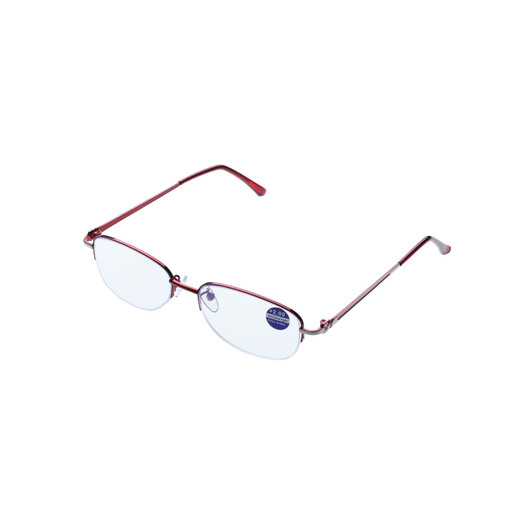
Why this product suits this profile: The 200D strength is suitable for people looking for medium magnification for books, documents and screens. The semi-rimless design can make it easier to switch between close-up and distance vision.
The moderate strength reduces the risk of going straight for very high magnification without checking what you need. The frame style is designed for frequent putting on and taking off.
Semi-rimless design, 200D strength and classic red frames; listed as suitable for women and men.
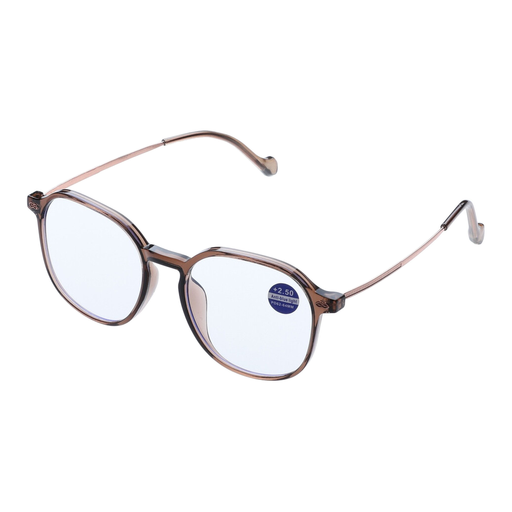
Why this product suits this profile: The full-rim frame may appeal to buyers who prefer a classic, fully enclosed design for regular use at home and in the office.
The product description highlights the fully enclosed lenses and secure positioning. So your choice isn’t based on appearance alone.
300D strength, full-rim design and transparent tea colour; the product information says they’re intended for use at home and in the office.
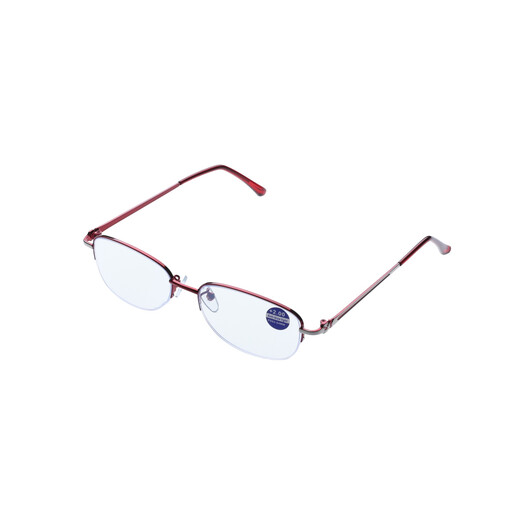
Why this product suits this profile: The semi-rimless design can be practical if you read frequently and regularly look up at a monitor, television or the person you’re talking to.
The product information specifically mentions books, documents and digital screens. This makes it easier to see how they could suit a mix of office and home use.
300D strength, semi-rimless design and classic styling; supplied with a protective case, according to the product description.
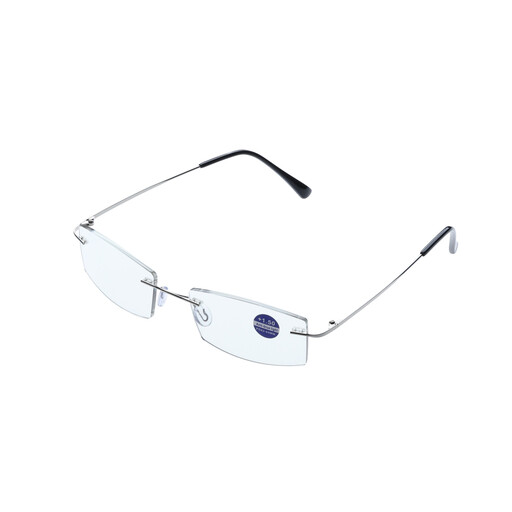
Why this product suits this profile: These rimless reading glasses are suitable for adults looking for an understated design with minimal visual impact from the frame.
The 150D strength is a lower option in the range. This helps you avoid choosing high magnification too quickly.
Rimless design, silver-coloured finish and 150D strength; the product information lists books, documents and screens as suitable uses.
We’ve put together a complete, regularly updated list of products that meet these strict selection criteria and fully comply with the safety regulations in force in the EU.
It depends on the print size, reading distance and your close-up vision. The strengths sold in shops often range from 150D to 400D. Don’t automatically start with the highest strength. If you’re unsure, it’s a good idea to have your vision tested.
Their lifespan depends on the materials, how often you use them, how you clean them and how you store them. A sturdy frame and a case can help them stand up to everyday use. If the lenses are scratched, the arms are loose or your vision changes, replace the glasses or have them checked.
Reading glasses may suit short or medium screen distances if the strength matches your working distance. For extended screen use, individually prescribed computer glasses or corrective glasses may be a better option. Ready-made reading glasses won’t suit every distance or vision need.