
Lieferung heute & morgen

Qualitätsgarantie

Willkommens-Angebote freischalten: KOSTENLOSE Lieferung | Bis zu 80 % RABATT | Kostenlose 30-Tage-JoyPlus-Testphase
App herunterladen
When reading small print becomes a challenge, reading glasses are a practical and straightforward solution. But the market for ready-made reading glasses is confusing, and not every model delivers on its promises. Many buyers invest in a reading aid that quickly becomes uncomfortable, breaks, or is unsuitable for their daily life.
This guide will help you avoid the typical pitfalls. We'll focus on the objective criteria that define functional and durable reading glasses, so you can make an informed decision.
Before we dive into the technical details, you should know the three most common reasons for a bad purchase:
A smart purchasing decision considers these aspects from the start, saving you money and frustration in the long run.
To find the right reading glasses for women or men, you should check three core features. These determine functionality, durability, and suitability for your daily routine.
Ready-made reading glasses are available with positive diopter values (e.g., +1.5 dpt) to correct for age-related farsightedness (presbyopia). Choosing the right strength is fundamental. The age rule can serve as a rough guide:
Important Note: These values are only guidelines. Ready-made reading glasses are only suitable if both eyes require a similar correction and there are no other vision problems like astigmatism. For an exact determination of the required strength, an eye test with an optometrist or ophthalmologist is recommended.
The frame influences both comfort and functionality. The three most common types each have specific pros and cons:
Also pay attention to the material. Modern plastics like TR90 are very lightweight, flexible, and shatter-resistant, which significantly increases comfort and durability.
The lenses are the heart of any reading aid. Simple plastic lenses are lightweight but can be prone to scratches. Models with a hard-coat finish offer greater resistance and stay clear longer. An anti-reflective coating can also reduce distracting reflections from light sources, making it more comfortable to read on digital devices or in artificial light.
Here are some recommendations tailored to specific use cases and requirements.
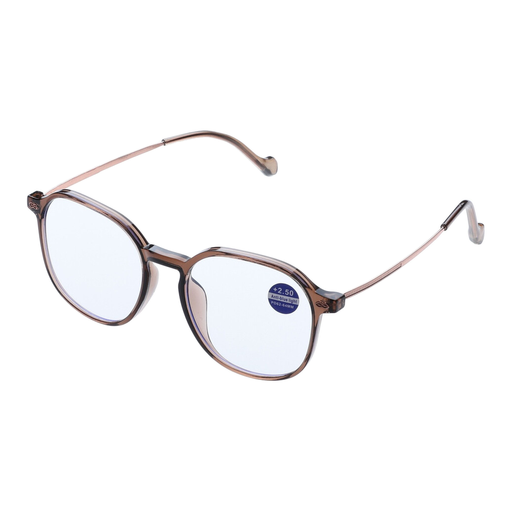
Why this model is a great fit: Ideal for those who need reliable and sturdy glasses for focused reading sessions at home or in the office. The classic design is functional and unobtrusive.
The robust full-rim construction provides high stability and durability, effectively protecting the lenses and bypassing the pitfall of low-quality materials.
Maximum stability for daily use. A simple, durable design for the office and home.
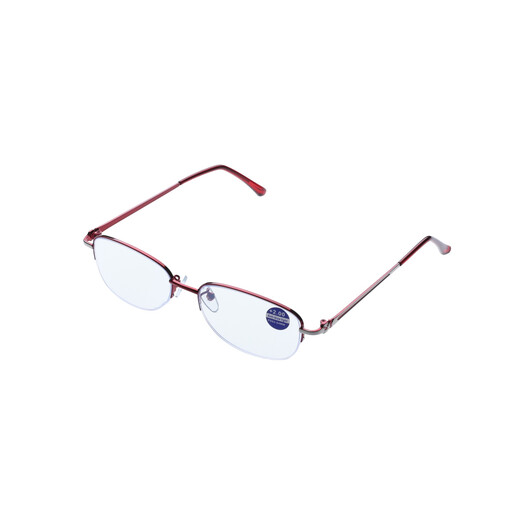
Why this model is a great fit: Perfect for desk use, where you frequently switch between reading documents and looking at a monitor or colleagues.
The half-rim design solves the problem of an unsuitable frame for dynamic vision needs. It eliminates the need to constantly put on and take off the glasses.
Allows for a seamless transition between near and distance vision. The construction is designed for everyday durability.
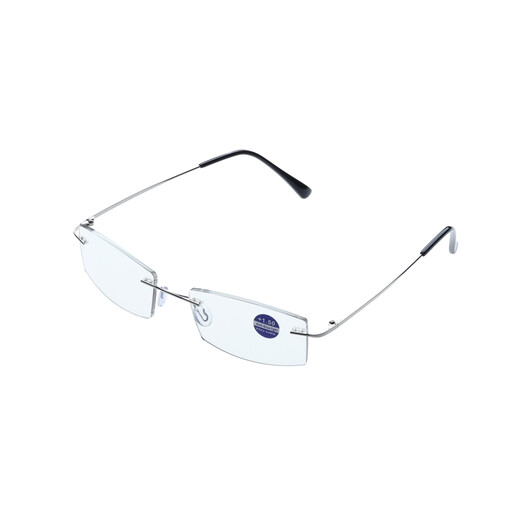
Why this model is a great fit: For users who value low weight and a discreet appearance. The glasses are barely noticeable and offer an unrestricted field of view.
Thanks to its extremely lightweight construction, it avoids the pitfall of poor comfort. It is ideal for individuals sensitive to pressure.
Minimal weight and an unobtrusive design for maximum comfort. The stable lens mounting ensures the necessary durability for daily use.
The most reliable method is a professional eye exam. For a rough estimate, you can use a reading chart at a pharmacy or follow the age-based rule mentioned above. Start with a lower strength and test if you can comfortably read a standard page of text at a distance of about 30–40 cm (12–16 inches). Ready-made reading glasses are only suitable for presbyopia without other vision issues like astigmatism.
The lifespan heavily depends on material quality, frequency of use, and care. Models with flexible temples and sturdy hinges generally last longer. Always store your glasses in a case when not in use to prevent scratches on the lenses and damage to the frame. With daily use and proper care, a well-made pair of reading glasses can last for several years.
No, reading glasses are designed exclusively as a vision aid for close-up tasks. Looking into the distance with them will make your vision blurry, which can lead to headaches or dizziness. Take them off when you are not reading. A pair of half-rim reading glasses is a good compromise, as it allows you to look over the lenses for distance viewing.