
Lieferung heute & morgen

Qualitätsgarantie

Willkommens-Angebote freischalten: KOSTENLOSE Lieferung | Bis zu 80 % RABATT | Kostenlose 30-Tage-JoyPlus-Testphase
App herunterladen
Reading glasses are designed to make text in books, documents and on screens easier to read, while remaining convenient to use every day. However, anyone buying ready-made reading glasses faces several decisions: Which strength is right, from 1.5 to 4.0 dioptres? Is a rimless, half-frame or full-frame design more suitable? And how can you tell whether a model is practical for use at home and in the office?
As a Joybuy Product Recommendation Officer, I assess product information against clear, understandable criteria. It is not about sweeping promises, but about finding the right match between your visual needs, wearing habits and frame design.
For ready-made reading glasses, the dioptre value indicates the magnification strength. A higher number is not necessarily more beneficial. If you only need moderate support for short texts, you may find 1.5 or 2.0 dioptres more comfortable than 3.5 or 4.0 dioptres. Glasses that are too strong can make reading uncomfortable or lead you to take them off sooner than necessary.
In the product variants reviewed, “150D” generally corresponds to 1.5 dioptres, “200D” to around 2.0 dioptres and “400D” to around 4.0 dioptres. Always check the specific product description before buying.
Rimless reading glasses have a discreet look and can feel lightweight. However, the lens edges and fittings are more exposed to everyday handling. Half-frame or full-frame reading glasses offer different levels of lens coverage and positioning, depending on the model.
Half-frames are worth considering if you frequently switch between looking at things nearby and farther away while reading. Full-frames are generally better suited to people who prefer fully enclosed lenses and a clearly defined glasses shape.
Reading glasses are a visual aid for close-up tasks, not a replacement for individually prescribed glasses and not safety eyewear. The product information reviewed explicitly states in some cases that the glasses must not be used for driving, operating heavy machinery or as safety glasses. Extreme heat and prolonged exposure to direct sunlight may affect the materials.
A case is recommended for storage. A microfibre cloth helps reduce the risk of scratches caused by unsuitable cleaning materials.
First, consider what you will mainly use your reading glasses for at home and in the office:
This classification is intended as a guide only. If your glasses cause headaches, eye strain or persistent discomfort, take them off. If the symptoms continue, seek advice from an optician or ophthalmologist.
Classic reading glasses with a full frame hold the lenses completely within the frame. This can be practical when reading books or documents frequently and for extended periods. A half-frame makes it easier to look over the lenses and focus on objects in the distance. This is useful at a desk, for example, when switching between paper, the keyboard and your surroundings.
Rimless models are visually unobtrusive and can provide lightweight reading glasses for the workplace or home. However, fit, lens centring and your individual usage remain the most important considerations.
Pay attention to the following points:
The models in this selection are offered as unisex reading glasses for women and men, in classic colours such as silver, red and Transparent Tea.
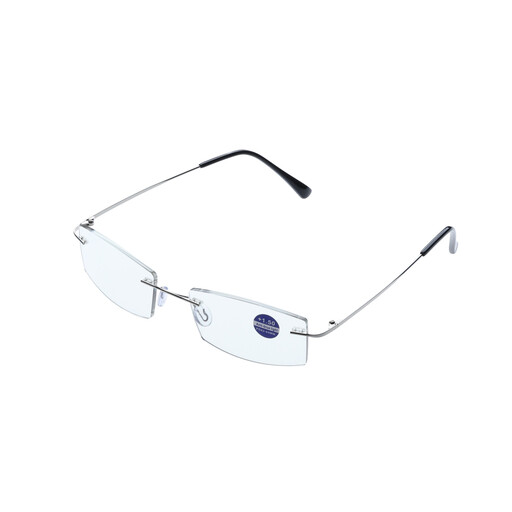
Why this product suits the profile: The rimless design and 1.5-dioptre version are suitable for people looking for discreet reading glasses for larger print, books or occasional documents.
The strength is clearly stated, reducing the risk of buying based on design alone. Nevertheless, the rimless glasses should be stored in their case.
150D version, silver rimless design and classic unisex style.
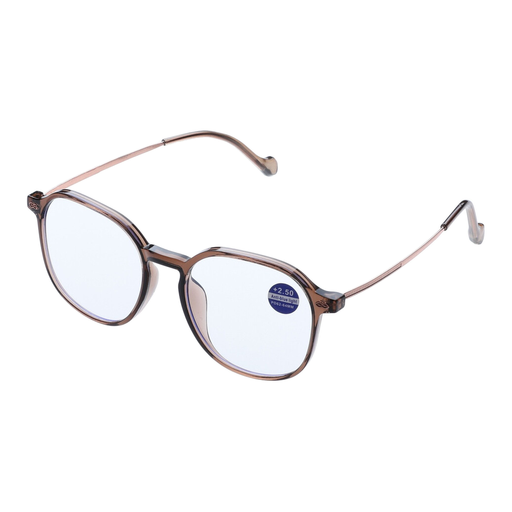
Why this product suits the profile: The fully enclosed frame and 2.5-dioptre strength are designed for regular reading of books, paperwork and screens.
The product information clearly states the frame shape and strength. This makes it easier to compare its suitability for everyday use with your own needs before buying.
Full frame, 250D and transparent Tea colour for women and men.
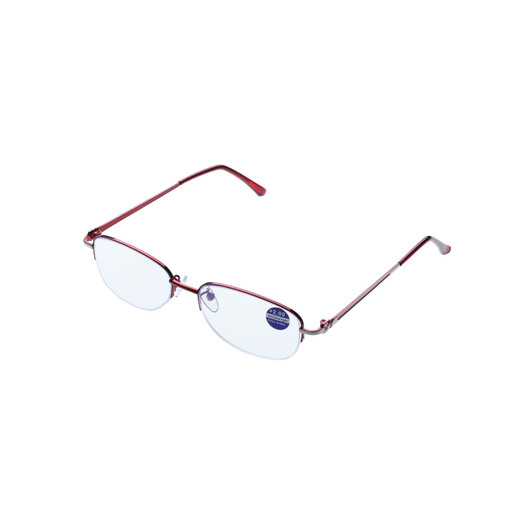
Why this product suits the profile: The half-frame design is suitable for situations where you look up from your reading at a desk to check the keyboard, monitor or your surroundings.
The half-frame is considered not just a style feature, but a functional design for changing lines of sight. The 200D strength is clearly stated.
Half frame, 2.0-dioptre version and red frame.
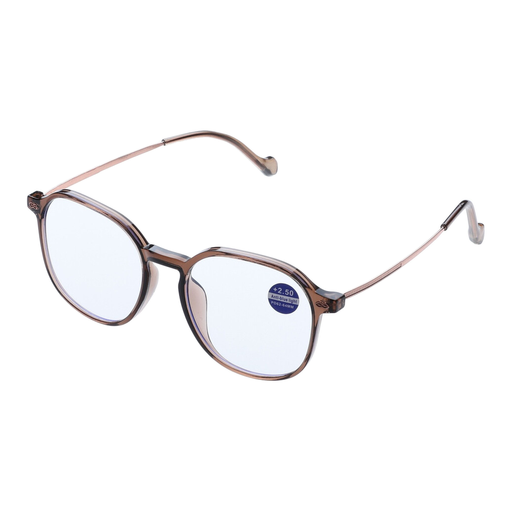
Why this product suits the profile: The 4.0-dioptre version is aimed at people looking for stronger ready-made reading glasses for very small print or detailed close-up tasks.
The high strength should be chosen for a specific purpose, rather than on the basis that “more is better”. The product page clearly identifies it as 400D.
Full frame, 400D and transparent Tea colour for targeted close-up use.
We have put together a complete, regularly updated list of products that fully meet these strict selection criteria and the safety regulations applicable in the EU.
Several strengths and frame styles may be suitable for books and screens. The key factors are the text size, viewing distance and length of use. A half-frame can be practical if you frequently switch between near and distance vision. For longer reading sessions, many users choose a full-frame design, provided the strength and fit are right.
Their lifespan depends on the material, daily use and care. Reading glasses should not be left loose in a bag, exposed to high temperatures or cleaned with anything other than a suitable cloth. If the lenses become scratched, the arms loosen or the fit changes, replacing the glasses is advisable. Refer to the relevant product label for information about the guarantee and expected durability.
No. Ready-made reading glasses generally have the same strength for both eyes and do not take account of individual differences such as different prescriptions, astigmatism or a specific pupillary distance. If you need reading glasses regularly, experience persistent discomfort or are unsure which strength is right for you, it is advisable to seek individual advice from an optician.