
Lieferung heute & morgen

Qualitätsgarantie

Willkommens-Angebote freischalten: KOSTENLOSE Lieferung | Bis zu 80 % RABATT | Kostenlose 30-Tage-JoyPlus-Testphase
App herunterladen
Reading glasses are designed to make short texts, books, bills and screens in the office or at home easier to read. However, the wide choice can quickly lead to the wrong purchase. People often focus only on colour or a low price, while overlooking strength, fit and intended use.
Details such as reading glasses +1.5, reading glasses +2.0, reading glasses +2.5 or reading glasses +3.0 describe the optical strength of the lenses. Product names may also use values such as 150D, 200D or 300D. A higher number does not automatically mean a more suitable or comfortable experience.
If you choose glasses that are too strong for reading longer texts, they may feel uncomfortable. A pair that is too weak may not be sufficient for very small print. Use your current visual aid as a guide, or have your required strength professionally assessed if you are unsure.
A delicate frame can look understated, while a full-rim model surrounds the lenses more fully. What matters, however, is whether the reading glasses sit securely, the lenses are properly centred and the arms do not press against your head.
For changing between different viewing directions, half-frame reading glasses can be practical: the lower section is designed for close-up viewing, while you can look over the frame towards the distance. Rimless reading glasses reduce visible frame elements and can feel lightweight. Full-frame reading glasses, on the other hand, have fully enclosed lenses and may appeal to users who prefer a more traditional design.
Simple reading glasses are intended for close distances. They are not a replacement for individually prescribed corrective glasses and are not safety glasses. Do not use them while driving, operating heavy machinery or protecting your eyes from splinters, UV radiation or chemicals. If you experience headaches, persistent eye strain or a noticeable change in your vision, stop using them and seek advice from an optician or ophthalmologist.
The right strength depends, among other things, on print size, working distance and your personal vision correction. Common strengths range from reading glasses +1.5 to reading glasses +4.0. As a practical guide:
This classification is not an individual assessment of your prescription. If your two eyes require different corrections, a simple off-the-shelf pair of reading glasses may not be sufficient.
Different frame designs are suitable for the office and home:
Make sure they fit securely behind your ears, are the right width and have lenses that remain centred in front of your eyes. Neutral shapes and colours are generally easy for both women and men to coordinate with different outfits.
Lightweight reading glasses are comfortable when worn frequently. However, careful storage and cleaning are also important for extending their lifespan. Use a microfibre cloth, do not place the glasses lens-side down and protect them from prolonged direct sunlight and extreme heat.
Product descriptions such as “simple”, “classic” or “robust” should be checked against specific information about the frame, lenses, case and contents. Each of the following models specifies a particular strength and frame shape.
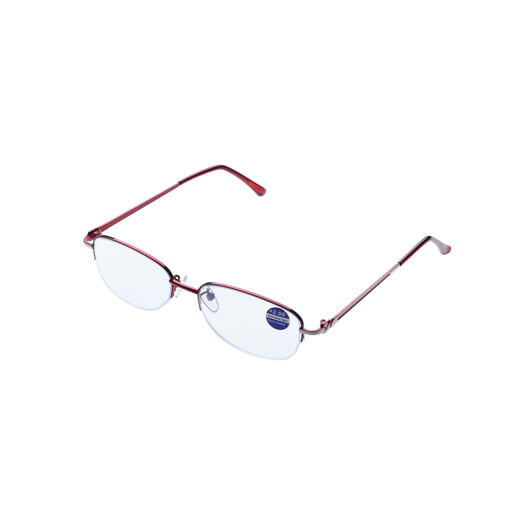
Why this product suits the profile: The half-frame construction and specified 150D strength are suitable for users looking for simple reading glasses for larger print and occasional use.
The strength and frame shape are clearly stated. This makes it easier to choose the model based on your needs, rather than deciding solely on its appearance.
Half-frame design, 150D strength, classic red frame and suitability for the office and home according to the product description.
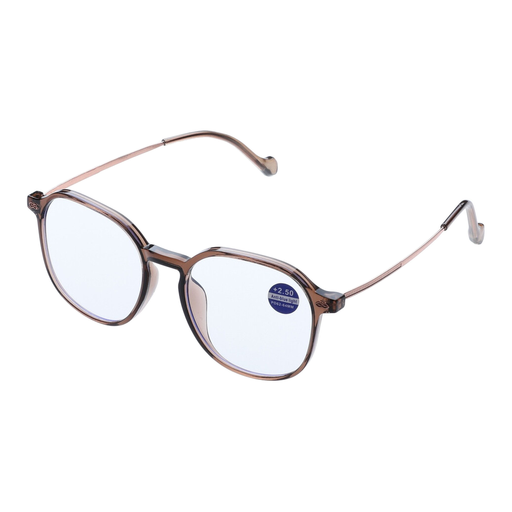
Why this product suits the profile: The fully enclosed lenses and specified 300D strength are ideal for users who prefer classic, clearly defined reading glasses for regular close-up work.
The product name states the frame shape and strength. This makes it easier to compare the glasses with an existing pair and reduces reliance on vague advertising claims.
Full-frame design, 300D strength, transparent tea colour and a classic unisex design.
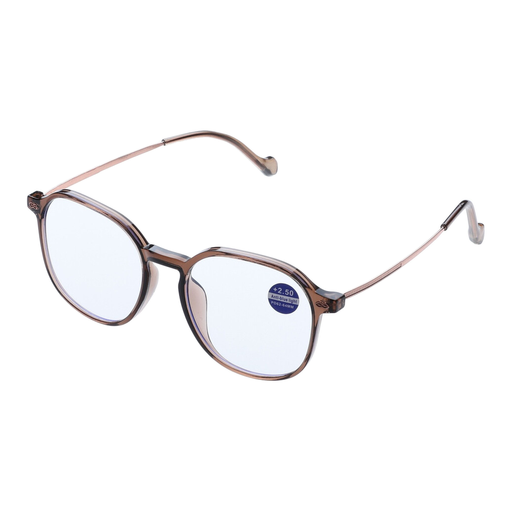
Why this product suits the profile: The 400D version is intended for users who need a higher specified strength for very small print or detailed close-up work.
The high strength is stated explicitly. This allows you to check before buying whether it suits your reading distance, rather than automatically assuming that stronger glasses are better.
Full-frame design, 400D strength, transparent tea colour and a sturdy frame for use at home or in the office according to the product description.
We have put together a complete, regularly updated list of products that fully meet these strict selection criteria and the safety regulations applicable in the EU.
Keep your reading glasses in a case when you are not wearing them. Clean the lenses with a soft cloth and avoid harsh cleaning products. Do not place the glasses on a hot surface or leave them in direct sunlight for extended periods.
The models mentioned are simple reading aids, not individually made prescription glasses. The product details specify the intended close-up range and important safety information for each model. Before buying, also check the contents, returns policy and full product description.
Depending on your individual needs, various strengths may be suitable for books and documents. Models between +1.5 and +3.0 are commonly used. Print size, the distance from the text and your current prescription are all important factors. Do not automatically start with the highest available strength.
Their lifespan depends on the frame material, daily use and care. Glasses can last longer if they are kept in a case, not placed on their lenses and protected from extreme temperatures. They should be replaced or checked if they develop scratches, the frame becomes loose or they no longer feel comfortable to wear.
Reading glasses may be suitable for screen use if the strength and working distance are right. As a monitor is usually further away than a book, not every model will be equally comfortable. During extended screen use, make sure you maintain a sufficient distance, adjust your seat height appropriately and take regular breaks.