
Lieferung heute & morgen

Qualitätsgarantie

Willkommens-Angebote freischalten: KOSTENLOSE Lieferung | Bis zu 80 % RABATT | Kostenlose 30-Tage-JoyPlus-Testphase
App herunterladen
Reading glasses with dioptres should magnify small print and be easy to use in everyday life. However, unclear strength ratings, unsuitable frame shapes and exaggerated marketing claims often lead to disappointing purchases. If you choose based on appearance alone, you may only discover at home that the glasses are not suitable for your personal reading distance.
This selection guide explains which details matter before you buy and which frame type suits different situations. The focus is on classic models for women and men that are suitable for books, documents, the office and use at home.
Many listings show values such as 150D, 200D, 250D or 400D. These designations refer to the magnification strength of the respective model. In everyday German usage, they are often understood approximately as 1.5 to 4.0 dioptres. As suppliers may display this information differently, always check the specific product details before placing your order.
Glasses that are too strong may feel uncomfortable when reading, while glasses that are not strong enough may not magnify the text sufficiently. The right choice depends, among other things, on your reading distance, the size of the text and your individual visual needs.
Rimless reading glasses have a discreet appearance and can be lightweight. Full-frame reading glasses completely surround the lenses and provide a clearly defined frame. Half-frame reading glasses make it easier to look beyond the lower edge of the glasses when you occasionally look at a screen or into the room while reading.
None of these options is automatically suitable for everyone. What matters is how you intend to use the glasses, how well they fit and whether you will be putting them on and taking them off frequently.
The models described here are reading aids, not individually made prescription glasses. They are also not intended to be used as protective eyewear. Do not wear reading glasses when driving or operating heavy machinery. If you experience headaches, persistent eye strain or a noticeable change in your vision, stop using them and seek advice from an eye specialist or optician.
A higher magnification is often chosen for small print in books, package leaflets or documents than for larger text on a screen. The available models in this selection range from 150D to 400D. This covers the search range “reading glasses 1.5 to 4.0 dioptres”, provided the relevant D rating is displayed accordingly.
It is useful to compare the glasses with a pair that already fits you well. Pay attention to:
Reading glasses for books and screens should not be selected solely on the basis of the highest possible number.
Rimless reading glasses offer a minimalist look and are appealing to people who prefer discreet glasses for the office and home. Full-frame reading glasses can provide a stable surround for the lenses and suit a classic appearance. Half-frame reading glasses are practical if you regularly want to look over the lower edge while reading.
Also check whether the arms sit comfortably behind your ears and whether the lenses can be positioned centrally in front of your eyes. A simple design is no substitute for the right size.
Durable reading glasses should not only sound convincing in their description, but also be handled appropriately. Keep them in a case, clean the lenses with a soft microfibre cloth and avoid prolonged exposure to intense heat or direct sunlight. Children should not have access to the glasses, as the lenses or frames may break if handled incorrectly.
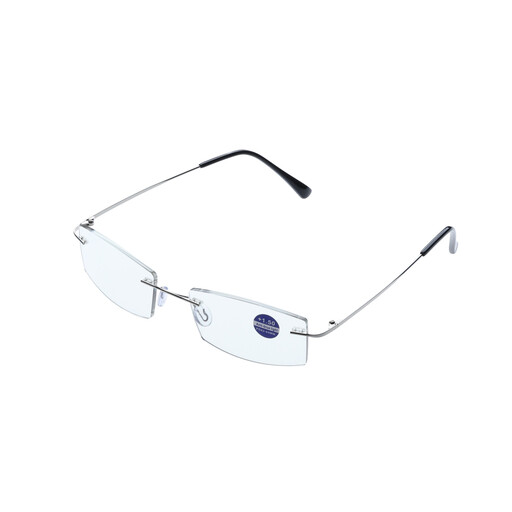
Why this product suits the profile: The rimless design with 150D magnification is intended for people looking for a discreet reading aid for larger print, short reading sessions or occasional use at home.
The strength is clearly stated as 150D, making it easier to compare this model with other strengths in the selection.
Rimless construction, silver colour and, according to the product information, a storage case.
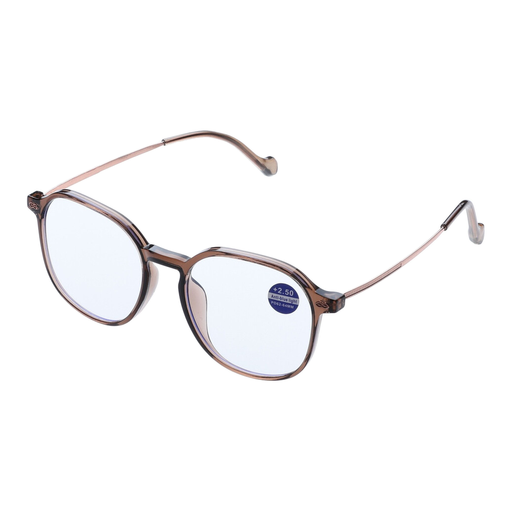
Why this product suits the profile: The full-frame reading glasses with 400D magnification are aimed at users who read very small print and prefer fully enclosed frames.
The strength and full-frame design are clearly stated in the product name, reducing the risk of confusion when choosing.
Full-frame design, 400D magnification and transparent tea colour according to the product information.
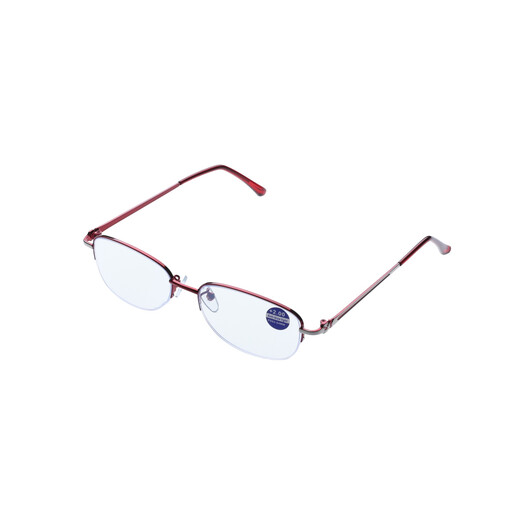
Why this product suits the profile: These half-frame reading glasses are suitable for users who switch between reading and looking at a screen, television or conversation partner.
The half-frame design is explicitly stated, so buyers can check in advance whether they want to switch quickly between close-up viewing and looking into the distance.
300D magnification, half-frame design and red colour according to the product description.
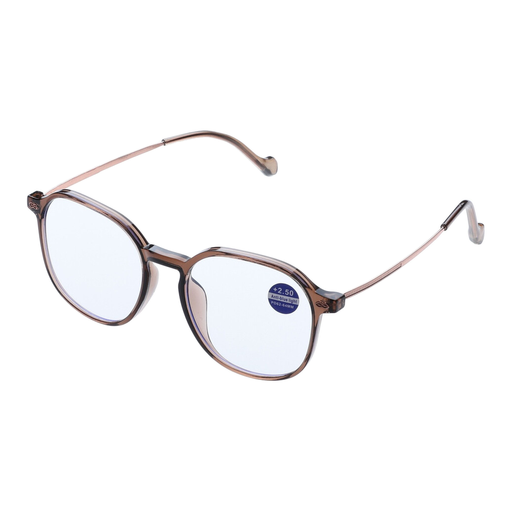
Why this product suits the profile: The classic full-frame model is intended for everyday use in the office or at home and is offered as a unisex design.
The product name directly states the frame type, strength and colour variant, making the key selection criteria visible before purchase.
350D, full-frame design, transparent tea colour and classic styling according to the product information.
We have put together a complete, regularly updated list of products that fully meet these strict selection criteria and the safety regulations applicable in the EU.
Reading glasses should be stored in a case after use. The best way to remove dust and fingerprints is with a microfibre cloth. Liquids containing aggressive ingredients, high temperatures and prolonged exposure to direct sunlight can affect materials and coatings.
Also make sure that the lenses are centred in front of your eyes. Reading glasses are intended for close-up use and are not suitable for road traffic. If you require individual vision correction, prescription glasses may be the more suitable option.
This depends on your personal reading distance, the size of the text and your individual visual needs. Models from 150D to 200D are often chosen for lower magnification, while 300D to 400D may be suitable for smaller print. Compare the strength with a pair of glasses that already suits you and have your eyes tested if you are unsure.
Reading glasses can be used for documents and screens if the distance and strength are right for you. For extended screen use, it is particularly important that the glasses fit comfortably and that the monitor is positioned at a comfortable distance. If you experience persistent eye strain, seek professional advice to identify the cause.
Their lifespan depends on the material, workmanship and daily care. Reading glasses can remain usable for longer if they are stored and cleaned carefully; however, loose arms, scratches or damaged frames are reasons to replace them. Before buying, also check the information about the warranty and durability on the product label.