
Lieferung heute & morgen

Qualitätsgarantie

Willkommens-Angebote freischalten: KOSTENLOSE Lieferung | Bis zu 80 % RABATT | Kostenlose 30-Tage-JoyPlus-Testphase
App herunterladen
If reading the fine print on packaging, in books, or on your smartphone is becoming increasingly difficult, it's a common sign of age-related farsightedness (presbyopia). Reading glasses are often a straightforward and effective solution. However, the sheer variety of models, strengths, and frame types can be overwhelming.
This article serves as a practical guide. As your Joybuy Product Recommendation Officer, I've compiled the information you need to make an informed decision and find a functional pair of off-the-shelf reading glasses that meets your daily needs—without the marketing hype.
Before you decide on a model, three criteria are particularly important: the correct strength, the right frame type, and the intended use case.
The strength of reading glasses is measured in diopters (dpt). Common values for ready-made reading glasses range from +1.0 dpt to +4.0 dpt in 0.25 or 0.50 increments. Reading glasses with a strength of +1.5 dpt (1.5 reading glasses) are often suitable for the early stages of presbyopia, while 2.0 reading glasses help with more advanced needs. Higher strengths like 4.0 reading glasses are intended for reading very small print or for specific hobbies.
While age can serve as a general guideline, it is not a substitute for a professional eye exam. If you are unsure, experience headaches, or have an astigmatism, a visit to an ophthalmologist or optometrist is advisable.
The frame affects not only the look but also the functionality.
A classic reading aid is optimised for a reading distance of about 30 to 40 cm (12-16 inches). However, a computer screen is usually further away (approx. 50 to 70 cm or 20-28 inches). If you primarily work at a screen, special computer reading glasses designed for this intermediate distance may be a better fit. Some models also feature a blue light filter, which can help reduce eye strain during long hours of screen time.
Here is a selection of models that stand out for their functional features across different use cases.
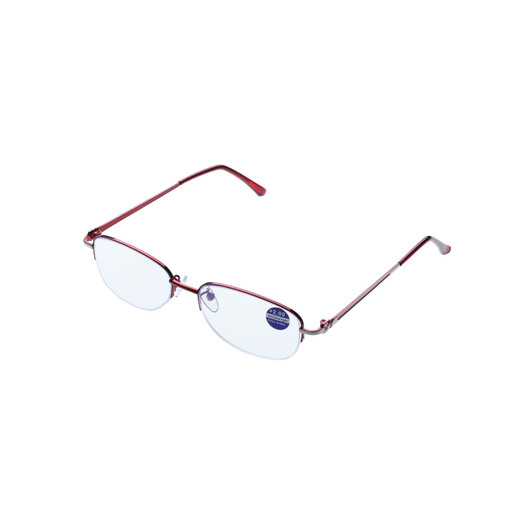
Why it stands out The half-rim design is especially practical for a dynamic daily routine at the office or at home. It allows for a quick and easy transition between reading documents and looking at a computer screen or across the room without having to take the glasses off.
Advantages
Who is it for? This model is a great choice for individuals who need a functional reading aid for the office or home and frequently switch between reading and other activities.
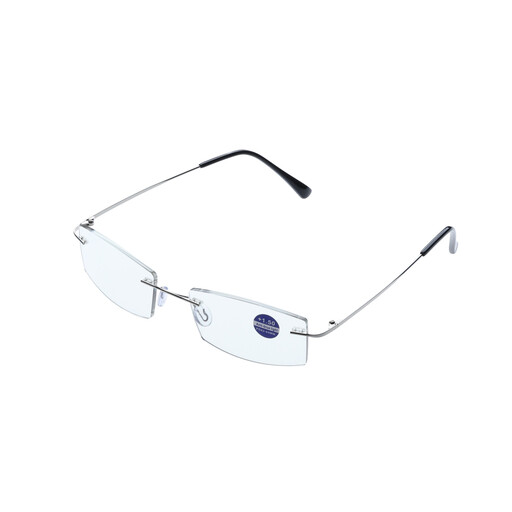
Why it stands out The rimless construction makes these glasses extremely light and provides a barely-there feel. The minimalist design offers an unobstructed field of view and has a discreet, modern look.
Advantages
Who is it for? Perfect for users who prefer very lightweight and inconspicuous affordable reading glasses for occasional reading and value a minimalist appearance.
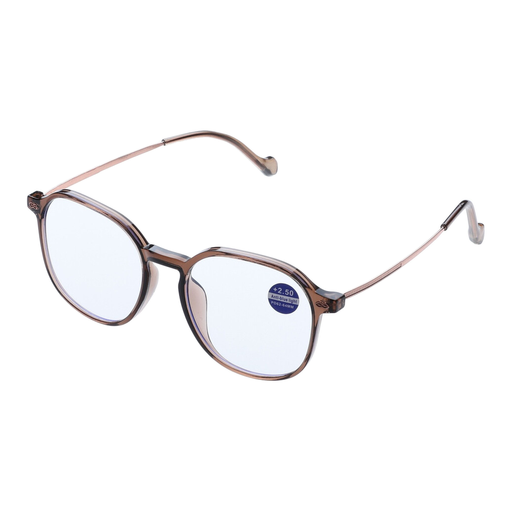
Why it stands out With a strong magnification of +4.0 diopters, this model is designed for demanding visual tasks. The full-rim frame provides maximum stability and reliably protects the lenses.
Advantages
Who is it for? These glasses are aimed at people with advanced presbyopia or users who need strong magnification for hobbies like model building or crafts.
Choosing the right reading glasses is a highly personal decision. Whether you're looking for specific men's reading glasses or simply want to explore other designs and strengths, our full collection offers a wide variety.
Discover More Men's Reading Glasses Here
Age can be a rough guide: people around 45 often need +1.0 to +1.5 dpt, while those over 60 may need +2.5 to +3.0 dpt. However, this is only a guideline. For an exact determination of your vision strength, especially if you have different values for each eye or an astigmatism, an exam by an optometrist or ophthalmologist is essential.
No, reading glasses are designed exclusively as a reading aid for near vision. If you look into the distance with them, your surroundings will appear blurry. Wearing them for extended periods for activities other than reading can lead to discomfort or headaches. Therefore, only put them on when needed.
The main difference lies in the optimised viewing distance. Reading glasses are designed for a distance of about 30-40 cm (12-16 inches). Computer glasses (or office glasses) are optimised for the intermediate vision range of about 50-70 cm (20-28 inches), which is the typical distance to a monitor. Therefore, computer reading glasses may require a different strength than your regular reading glasses.