
Lieferung heute & morgen

Qualitätsgarantie

Willkommens-Angebote freischalten: KOSTENLOSE Lieferung | Bis zu 80 % RABATT | Kostenlose 30-Tage-JoyPlus-Testphase
App herunterladen
By: Joybuy Product Recommendation OfficerDate: July 23, 2026
The fine print on packaging becomes illegible, you have to hold your book further and further away, and the letters on your smartphone screen start to blur. Many people over 40 are familiar with these situations, which indicate the onset of age-related farsightedness (presbyopia). A simple and effective solution for everyday life is a pair of reading glasses.
This article serves as a guide. It explains what to look for when choosing ready-made reading glasses and presents a selection of models that are well-suited for home or office use due to their functionality and design.
The decision to purchase a reading aid should be based on a few objective criteria to ensure it meets your individual needs.
Ready-made reading glasses are available in standardised strengths, usually in 0.25 diopter increments. Common values include +1.50 diopter reading glasses for early-stage presbyopia or +3.00 diopter reading glasses for more advanced needs. The exact strength required should ideally be determined by an ophthalmologist or optician. However, a simple test can provide an initial estimate: try reading a newspaper or book from a normal reading distance (approx. 30–40 cm). The strength that allows you to see the text clearly and without strain is often a good starting point.
The frame of the glasses affects not only their appearance but also their functionality and comfort.
Many modern designs are conceived as unisex reading glasses and are therefore suitable for everyone.
The frame materials determine the weight, flexibility, and durability of the glasses. Lightweight plastics like polycarbonate are comfortable and affordable, while metal frames are often considered particularly sturdy. Pay attention to the quality of the hinges and nose pads, as these components are crucial for long-term wearing comfort.
Here is a selection of reading glasses that are suitable for various needs based on their features and design.
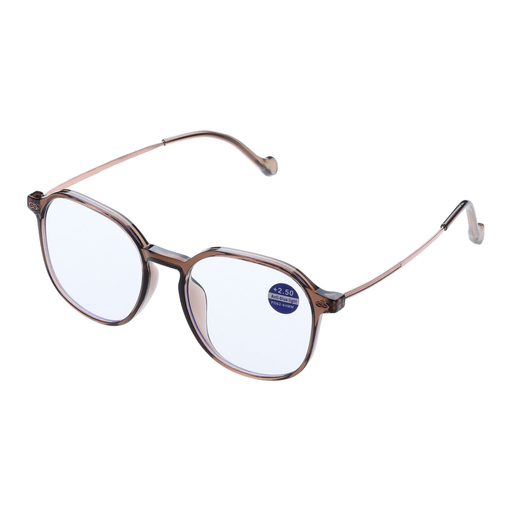
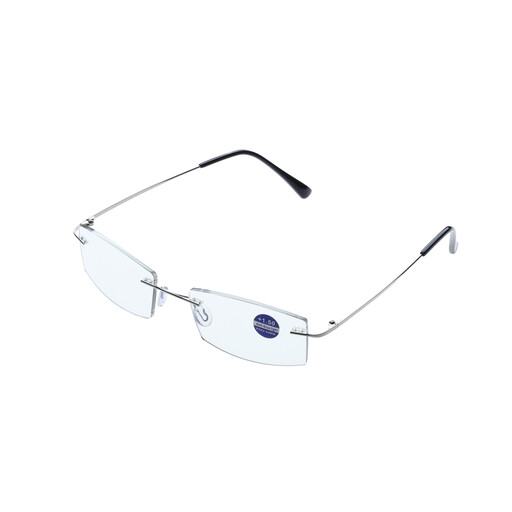
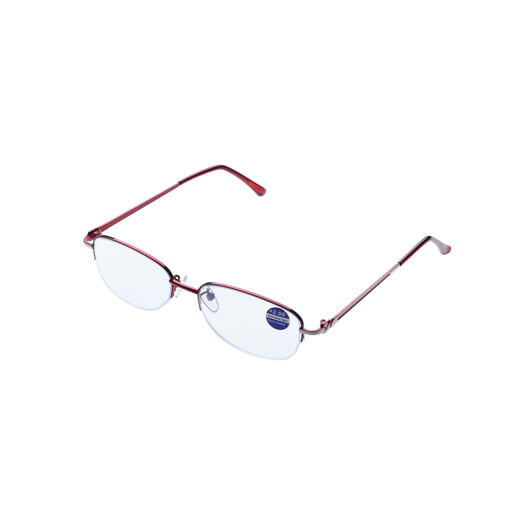
If you're looking for other useful products for your daily life or travels in addition to a new pair of reading glasses, you can find a selection of specialised equipment in our motorhome cab blinds category. Browse our range and discover practical solutions.
Ready-made reading glasses are a simple vision aid primarily used to correct presbyopia. They have the same spherical strength in both lenses and are not designed to correct other vision problems like astigmatism. In contrast, prescription glasses from an optician are custom-made based on a precise eye exam and can correct complex vision impairments.
The most reliable method is a professional measurement by an ophthalmologist or optician. For guidance, you can also use a reading chart at a typical reading distance of 30 to 40 cm and try out different strengths. Start with a low strength like +1.00 or +1.50 diopters and increase it until you can read the text clearly and comfortably.
A reading aid is designed exclusively for near-vision tasks. It is not suitable for distance vision and must never be worn for activities such as driving. You should only put them on when you are reading, working on a computer, or performing other close-up activities. For all other situations, they should be taken off.