
Lieferung heute & morgen

Qualitätsgarantie

Willkommens-Angebote freischalten: KOSTENLOSE Lieferung | Bis zu 80 % RABATT | Kostenlose 30-Tage-JoyPlus-Testphase
App herunterladen
Reading glasses should make books, documents and screens easy to see at a comfortable distance. But when buying a pair, it’s not just the price or frame colour that matters. The key considerations are magnification strength, frame style and how you plan to use them.
With cheaper models, three common pitfalls can lead to the wrong purchase:
The strength of reading glasses is often given in dioptres. In the product names in this range, for example:
Reading glasses with a strength of 1.5 are generally suitable if you need less magnification. Reading glasses with a strength of 2.0 or 2.5 may suit many everyday close-up tasks. A strength of 3.0, 3.5 or 4.0 is designed to provide much stronger magnification.
The right strength depends on more than just your age. Your usual reading distance, the size of the text and your individual vision all play a part. If you experience headaches, persistent eye discomfort or significant eye strain, stop using the glasses and seek advice from an optician or eye-care professional.
The frame style affects how the glasses sit and how easy they are to use:
None of these styles is right for everyone. For use at home or at work, the main thing to consider is whether you’ll be taking your glasses on and off frequently or wearing them for longer periods at a time.
Check the product details for specific information about what’s included and how to use the glasses. A case is listed with the more fully described models below. Clean the lenses with a microfibre cloth and keep the glasses in their case when you’re not wearing them.
Reading glasses are not prescription glasses made to an individual vision test, eye protection or suitable for driving. They should not be confused with safety glasses for use at work, either. Unisex reading glasses can be worn by women and men, provided the frame and fit suit their face shape.
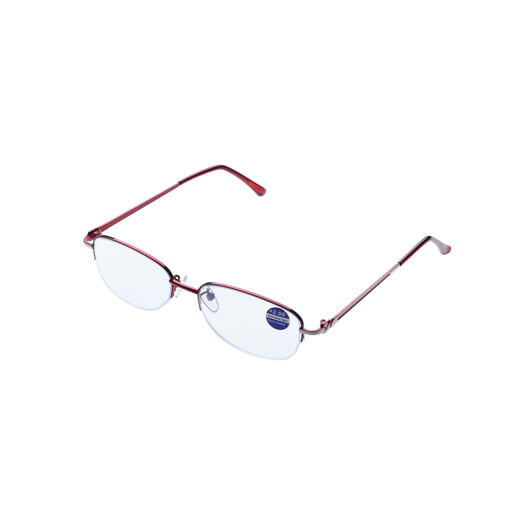
Why this product suits this profile: These half-frame reading glasses have a strength of 1.5 dioptres and are designed for people who need less magnification. They’re suitable for books, documents and occasional screen use.
The strength is clearly marked as 150D, identifying it as a 1.5-dioptre model. The half-frame design makes it easier to shift your focus.
A half-rim frame, red colour and unisex design for use at home or in the office.
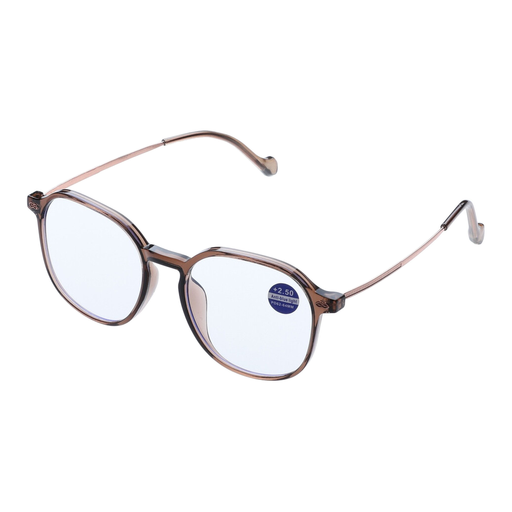
Why this product suits this profile: These full-frame reading glasses have a strength of 3.0 dioptres and are designed for people who prefer fully enclosed frames for regular close-up work.
The product name clearly states the strength as 300D. The fully enclosed lenses make the frame style clear.
A full-frame design, transparent tea colour and unisex style for a range of everyday situations.
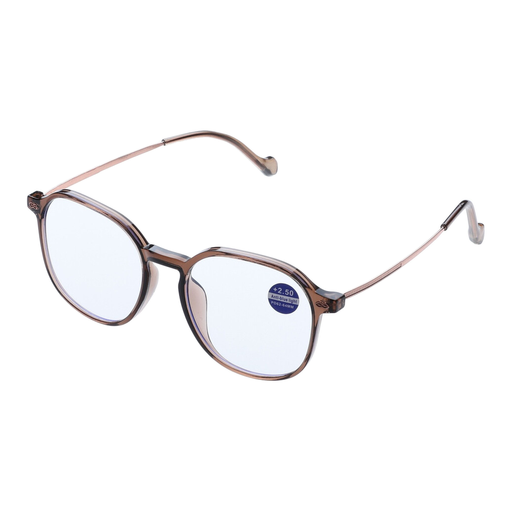
Why this product suits this profile: This model has a strength of 4.0 dioptres and is designed for people who need strong magnification for very small print or detailed documents.
The strong magnification is clearly marked as 400D. The safety information rules out using the glasses for driving or as eye protection.
A full-frame design, 4.0-dioptre strength and protective case included, according to the product description.
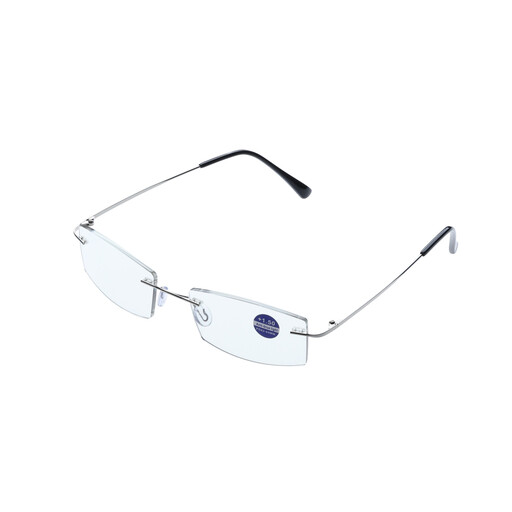
Why this product suits this profile: These rimless reading glasses have a strength of 1.5 dioptres and are designed for people who prefer an understated look with minimal visible frame material.
The product name clearly distinguishes the strength from the rimless design, making it easier to compare at a glance.
A rimless design, silver finish and light magnification for books, documents and screens.
We’ve put together a complete, regularly updated list of products that meet these strict selection criteria and the safety requirements in force in the EU.
The distance from your eyes to the monitor is key when working at a screen. Half-frame reading glasses can be useful if you often switch your focus between the keyboard, screen and surroundings. Don’t choose the strength based on screen size alone.
Their lifespan depends on the frame, how often you use them and how well you care for them. Scratches, bent arms or loose lens fittings can make them less practical for everyday use. A case, a microfibre cloth and avoiding extreme heat can help protect your glasses day to day.
Basic reading glasses have the same strength in both lenses and are not a substitute for prescription glasses tailored to your needs. If you have different prescriptions in each eye, persistent headaches, double vision or ongoing eye strain, it’s a good idea to arrange a personal assessment with an optician or eye-care professional.