
Lieferung heute & morgen

Qualitätsgarantie

Willkommens-Angebote freischalten: KOSTENLOSE Lieferung | Bis zu 80 % RABATT | Kostenlose 30-Tage-JoyPlus-Testphase
App herunterladen
Reading glasses can be useful when you need extra magnification to read books, documents or digital screens. However, people often focus only on the dioptre strength or colour. This can lead to common buying mistakes: the glasses magnify too much, don’t sit securely or aren’t suited to how you plan to use them at home or in the office.
This buying guide explains which details really matter and what adults and older people should look for when buying reading glasses.
Labels such as +1.5 reading glasses, +2.0 reading glasses, +2.5 reading glasses, +3.0 reading glasses, +3.5 reading glasses or +4.0 reading glasses indicate different magnification strengths. A higher number isn’t necessarily better. It may suit very small print, but could feel too strong when reading for longer periods.
The product details provided list strengths as 150D, 200D, 250D, 300D, 350D or 400D. For practical purposes, these correspond approximately to +1.5 to +4.0 dioptres. Always check the information on the individual product page rather than choosing based only on frame colour or design.
Red reading glasses may stand out, while silver or transparent frames have a more understated look. But colour is no substitute for checking the frame shape, lens size and fit. Slim half-frame glasses can be handy when switching between reading and looking into the distance. A full frame, by contrast, surrounds the lenses completely and may feel more secure for everyday use.
Ready-made reading glasses usually have the same magnification strength in both lenses. They’re intended for occasional or additional use, and don’t automatically correct different prescriptions in each eye, astigmatism or other individual vision needs.
The product details explicitly state that these glasses are not prescription glasses and are not safety glasses. If you experience persistent headaches, eye discomfort or a noticeable change in your vision, you should seek advice from an eye-care professional.
Your dioptre strength should be suited to the size of the print and your usual reading distance:
This guide is intended as a practical starting point only. The right strength for you depends on factors such as your reading distance and individual vision needs.
The frame shape can affect how you use your glasses more than purely stylistic details:
Before buying, check what’s included, whether a protective case is provided and what safety information is given. Several of the models mentioned are described as including one pair of glasses and a protective case. A case can help prevent scratches when you keep your reading glasses in a bag or drawer.
Use a soft microfibre cloth to clean your glasses. Avoid extreme heat and prolonged exposure to direct sunlight. Don’t wear reading glasses while driving or operating heavy machinery, and don’t use them as safety glasses.
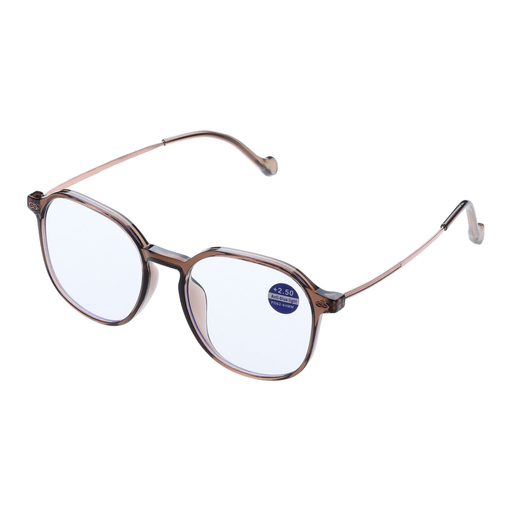
Why this product suits this profile: The 150D strength is a good starting point for larger print and occasional reading at home or in the office. The understated transparent tea tint makes these unisex reading glasses suitable for women and men.
The lower strength reduces the risk of choosing very strong magnification without checking first. The full frame provides a clearly defined surround for the lenses.
150D, full frame, transparent tea tint and one pair included.
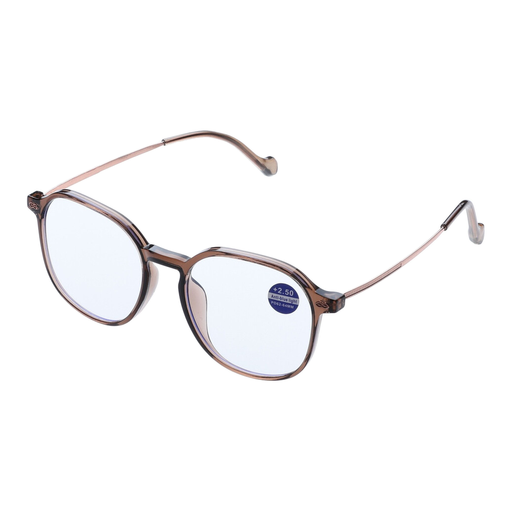
Why this product suits this profile: This model is designed for people who need stronger magnification for very small print or detailed documents. Its full frame gives the lenses a clearly defined shape.
The strength is clearly listed as 400D. This lets you check whether it suits your needs before buying, rather than choosing based on appearance alone.
400D, full frame, transparent tea tint, plus details of the protective case and safety information.
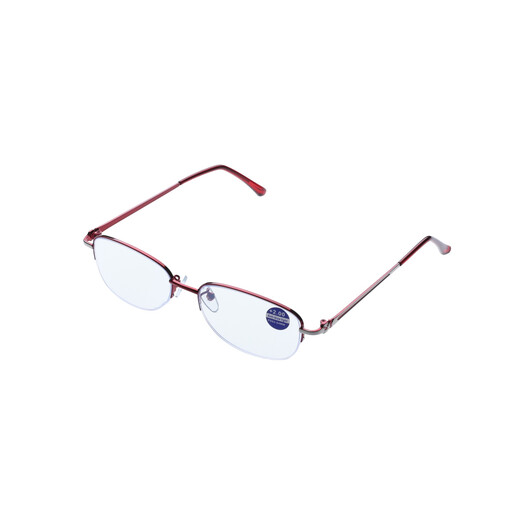
Why this product suits this profile: These half-frame reading glasses are designed for people who switch between close-up tasks and looking around them. They can be useful at work, when reading documents or at home when you occasionally need to look at a screen or around the room.
The half-frame design makes it easier to switch between reading and looking into the distance. The strength is clearly listed as 300D.
Half frame, 300D, red frame, unisex design and a protective case according to the product description.
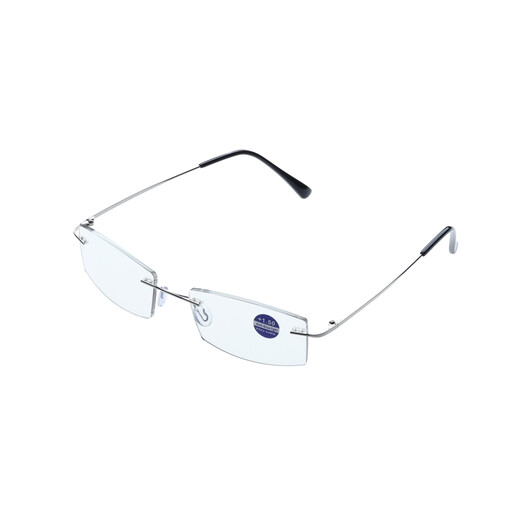
Why this product suits this profile: These rimless reading glasses with silver details are an option for anyone who prefers a subtle design and needs a strength of 350D.
The product name specifies both the rimless design and the 350D strength. This makes it easier to consider your style preference and magnification needs separately.
Rimless design, silver finish, 350D and unisex styling according to the product details.
We’ve put together a complete, regularly updated list of products that meet these strict selection criteria and fully comply with the safety regulations in force in the EU.
Half-frame reading glasses can be useful for tasks that involve switching between close-up work and looking around you, as it’s easier to look over the lower frame and into the distance. If you mainly read and prefer lenses with a full frame, you could choose full-frame reading glasses. The right strength, distance from the text and a secure fit are still key.
Their lifespan depends on the materials, how often you use them and how you store them. Scratches, bent arms and extreme heat can affect how well they work for everyday use. Keep your reading glasses in their case, clean them with a microfibre cloth, and don’t use them as safety glasses or driving glasses.
The price depends on factors such as frame shape, materials, brand and what’s included. Before buying, compare more than just the price: check the dioptre strength, frame style, protective case and safety information too. If you have individual vision concerns, a personal eye test is more useful than choosing on price alone.