
Lieferung heute & morgen

Qualitätsgarantie

Willkommens-Angebote freischalten: KOSTENLOSE Lieferung | Bis zu 80 % RABATT | Kostenlose 30-Tage-JoyPlus-Testphase
App herunterladen
Reading glasses are designed to make small print, books, documents and digital screens easy to read at home and in the office. However, the stated dioptre strength is not the only factor to consider when buying. The frame shape, fit, build details and intended distance from the reading material all affect how practical the glasses are in everyday use.
A higher strength is not necessarily more suitable. 1.5 dpt reading glasses may be sufficient for some people, while others may prefer 2.0 dpt, 2.5 dpt, 3.0 dpt, 3.5 dpt or 4.0 dpt reading glasses. The right strength depends, among other things, on your individual close-up vision needs and the distance from the text.
Glasses that are too strong can feel uncomfortable in everyday use. If you experience headaches, eye strain or an unusual visual sensation, stop using the glasses and seek advice from an ophthalmologist or optometrist if the symptoms persist.
Half-frame glasses sit in the lower part of your field of vision and can be practical if you occasionally look over the top of the glasses to see into the distance while reading. Full-frame reading glasses completely surround the lenses and hold them securely in front of your eyes. Frameless reading glasses have a discreet appearance and may feel lightweight thanks to their reduced frame construction.
None of these styles is automatically suitable for everyone. Important factors include the shape of your face, the distance between your eyes, the fit of the arms and whether you intend to wear the glasses continuously or only for short periods.
Classic reading glasses are a visual aid for close-up use, but they are not safety glasses. According to the product information, the models listed are not intended for driving, working with machinery or use as protective eyewear. Extreme heat and prolonged direct sunlight should also be avoided. Keeping your glasses in a case and cleaning them with a soft microfibre cloth can help prevent scratches and damage during everyday use.
In some product descriptions, the strength is shown as “D” or “degree”. For example:
This conversion is intended as a guide based on the product descriptions. It does not replace an individual prescription. If you already use a particular reading strength, you can use it as a reference. When changing to a different strength, first check whether the text size and reading distance are comparable.
Half-frame glasses for women and men can be suitable for desks, newspapers and occasionally looking around the room. They require the lenses to sit correctly in the lower part of your field of vision while reading.
Full-frame reading glasses feature lenses that are enclosed all the way round. This can provide a stable construction for frequent use, such as reading documents or for longer reading sessions. Frameless reading glasses reduce the amount of visible frame. However, buyers should pay particular attention to how the lenses are attached and handle them with care.
The following points are important for use at home and in the office:
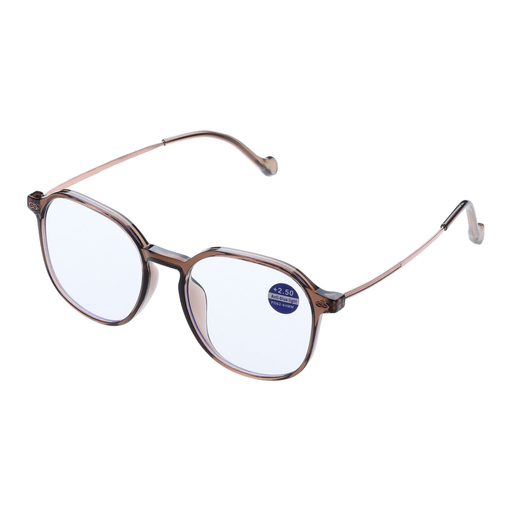
Why this product suits the profile: The 1.5 dpt strength is a low-strength starting option for books, written documents and screens. The full frame provides a clearly defined, classic shape for the office and home.
The stated strength makes it easy to compare with other 150D models. The product details also specify that these are reading glasses, not protective eyewear.
Full-frame design, 150D strength and transparent tea colour; according to the product details, supplied as one pair.
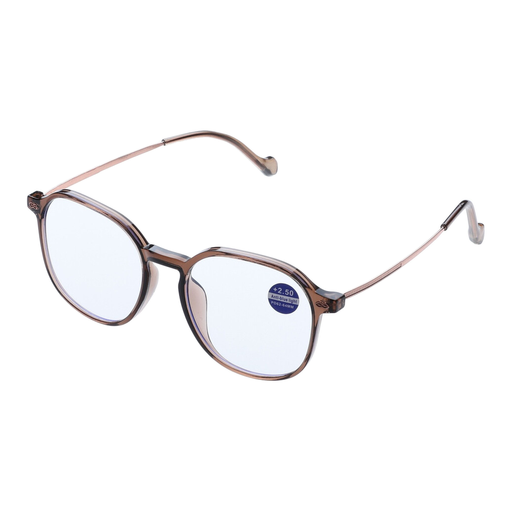
Why this product suits the profile: The 400D version is intended for users looking for high magnification when reading very small print and detailed documents.
The strength is clearly stated, so it cannot be confused with a lower reading strength. The safety information also clearly defines how the glasses should be used.
Full-frame construction, 400D strength and a classic transparent tea colour.
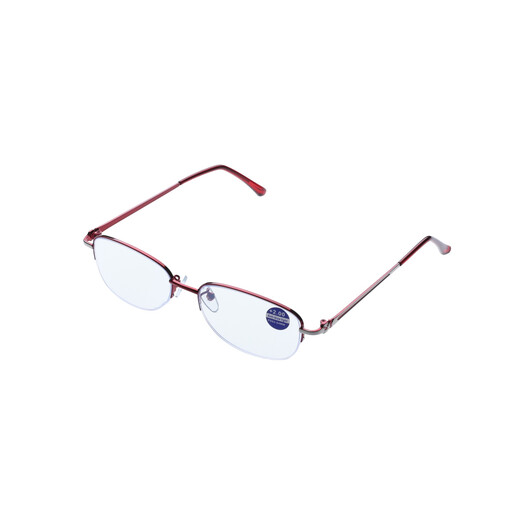
Why this product suits the profile: These half-frame glasses are practical for people who regularly switch between reading text and looking at their surroundings. The 300D strength is equivalent to approximately 3.0 dpt.
The half-frame design is specifically described as suitable for switching between close-up work and looking upwards. The glasses are not intended for driving or protective use.
Half-frame design, 300D strength, red colour and, according to the product description, a protective case.
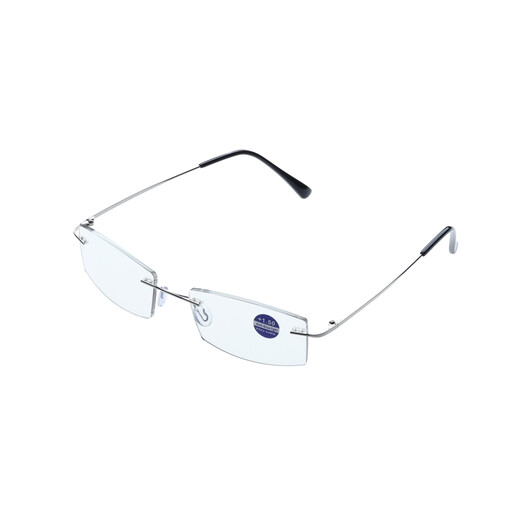
Why this product suits the profile: These frameless reading glasses, with a strength of 350D or approximately 3.5 dpt, are aimed at buyers who prefer a minimalist frame for the office and home.
The construction is identified as frameless, so the glasses should be stored carefully in their case. The product warnings rule out protective and driving applications.
Frameless design, silver finish and 350D strength.
We have put together a complete, regularly updated list of products that fully meet these strict selection criteria and the safety regulations applicable in the EU.
Higher strengths such as 3.0, 3.5 or 4.0 dpt are often chosen for small print. However, the key consideration is whether the text appears clear and comfortable at your usual reading distance with the selected strength. Stronger magnification is not automatically the right choice.
Their lifespan depends on the frame construction, daily use, care and storage. Damaged, misshapen or scratched glasses should be replaced. Information about the warranty and durability can be found on the relevant product label.
Reading glasses can be used for close-up screen work, provided the strength, fit and distance from the monitor are right. However, they are not protective eyewear and are not intended for driving or operating heavy machinery. If you experience recurring eye strain, individual professional advice is recommended.