
Lieferung heute & morgen

Qualitätsgarantie

Willkommens-Angebote freischalten: KOSTENLOSE Lieferung | Bis zu 80 % RABATT | Kostenlose 30-Tage-JoyPlus-Testphase
App herunterladen
Reading glasses should make books, bills, documents and screens in the office or at home easy to read. However, the stated strength is not the only factor to consider when buying. The frame shape, fit, material and intended use also determine whether the glasses remain practical in everyday life.
Many poor purchases result from three common marketing traps:
Simple reading glasses are also not a substitute for individually prescribed corrective glasses. If you experience persistent headaches, eye strain or blurred vision, you should seek advice from an ophthalmologist or optician.
The figures in product names are often given as dioptre values in decimal form:
The available models therefore cover a range from reading glasses strength 1.5 to 4.0. The right strength depends on your personal visual needs and the distance between you and your reading material. Books and documents are usually read at a different distance from a monitor. Glasses designed for very small print may therefore be impractical in the office if they are intended solely for screen use.
When comparing products, pay attention to:
Classic reading glasses in silver or transparent tea can be paired discreetly with office and everyday clothing. The colour is a matter of style and says nothing about optical performance.
With a rimless design, the lenses take centre stage. This may appeal to people looking for lightweight reading glasses with a particularly discreet appearance. At the same time, the lenses should be protected during transport. Extreme heat and prolonged exposure to direct sunlight should be avoided according to the available product information.
A full-frame mount surrounds the lenses completely. This creates a clearly defined frame shape and can be practical if you frequently put your glasses on and take them off. If you regularly move your glasses between your desk, kitchen and reading chair, a clearly visible frame can be beneficial.
Both designs are available as reading glasses for women and men. The key considerations remain the desired strength, fit and intended use.
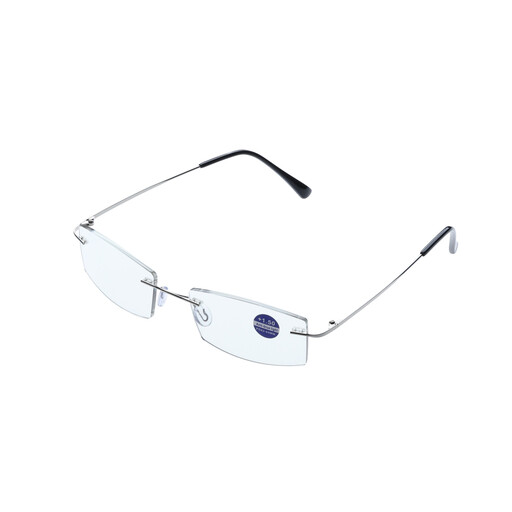
Why this product suits this profile: The 1.5 strength and silver rimless design make these glasses a straightforward starting point for books, larger print and occasional screen work.
The stated 150D strength makes the choice clear, rather than simply promoting an unspecified level of magnification.
Rimless design, silver finish and low magnification strength.
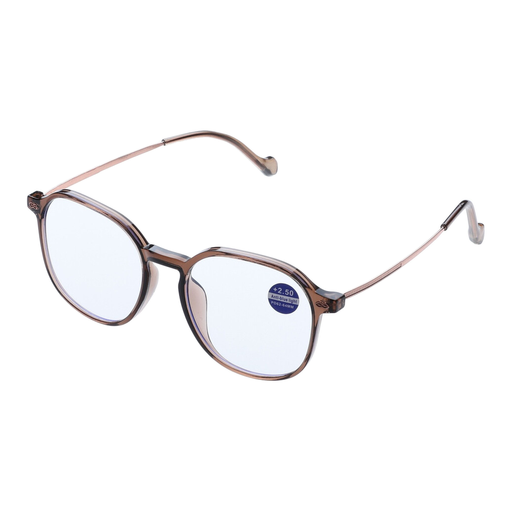
Why this product suits this profile: The 4.0 strength, full-frame mount and included protective case appeal to people who read very small print and value a clearly defined frame.
The product description clearly states the strength, frame type, intended use and storage requirements.
Full-frame construction, 400D strength and protective case according to the product information.
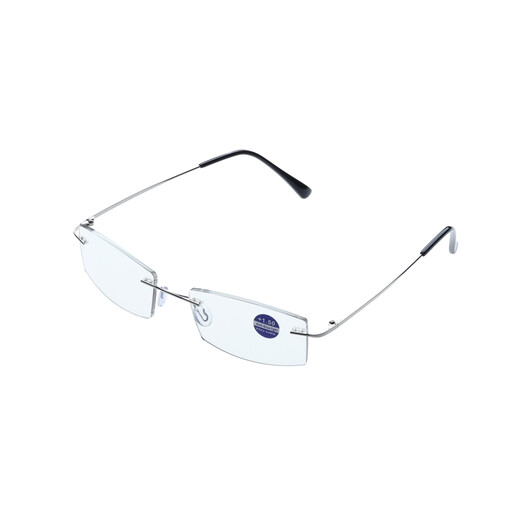
Why this product suits this profile: The 3.5 strength and rimless design are intended for regular reading of documents and small print in the office or at home.
The design is not marketed as protective eyewear; its use is clearly limited to reading tasks.
350D strength, silver colouring and classic rimless design.
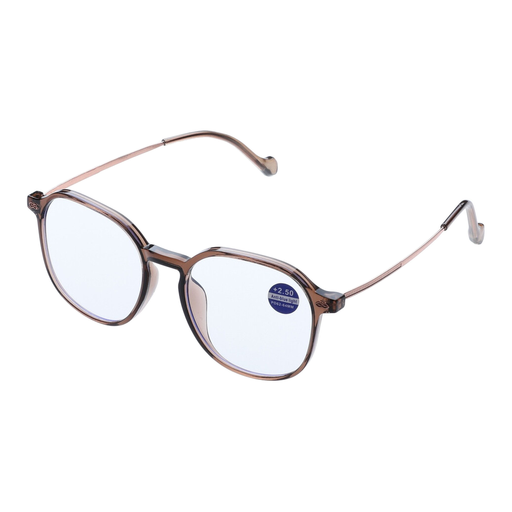
Why this product suits this profile: The transparent tea colour and full-frame shape suit classic reading glasses for everyday use at your desk or in your reading chair.
The product name states the strength and frame shape, so the choice is not based solely on appearance.
Full-frame mount, 300D strength and transparent tea colour.
To help your reading glasses remain usable for as long as possible, a few simple measures are worthwhile:
It is not possible to give a reliable general lifespan. This depends on how often the glasses are put on and taken off, how they are stored and cleaned, and the strain placed on the frame. With simple reading glasses, it is worth checking the strength and design before buying rather than focusing solely on a low price or eye-catching description.
For monitor use, you should take the distance to the screen into account. A higher strength is not automatically the right choice. Choose a model that allows text to appear clear and effortless from your usual sitting position. During prolonged screen work, regular breaks and a suitable screen height can also help.
Use the required print size and your typical reading distance as a guide. The available models range from approximately +1.5 to +4.0. If several strengths seem similarly suitable or you experience discomfort, an individual assessment by an optician or ophthalmologist is advisable.
This depends on the material, use and care. A full-frame mount can provide a clearly enclosed construction for everyday use, while rimless reading glasses should be transported with particular care. Regular cleaning with a microfibre cloth and storage in a case help prevent scratches and unnecessary strain.