
Lieferung heute & morgen

Qualitätsgarantie

Willkommens-Angebote freischalten: KOSTENLOSE Lieferung | Bis zu 80 % RABATT | Kostenlose 30-Tage-JoyPlus-Testphase
App herunterladen
Anyone looking to buy ready meals online will find a wide selection of tinned food, ready-made soups, stews, tinned ravioli and international ready meals. However, the price alone says little about whether a product suits your everyday needs. Portion size, preparation method, ingredients, allergens and storage conditions are what really matter.
That is why it is worth taking a close look at the product information if you are a professional, student, family, camper or someone stocking up. Our selection covers a range of uses – from a quick meal at the office to long-life camping food.
An 800 g tin may seem expensive at first glance, but it could contain several portions. Conversely, 300 g trays are convenient for one person, but offer less flexibility for families or stocking up. So be sure to check:
Terms such as “homemade”, “hearty” or “traditional” often describe the style rather than the exact ingredients. For an objective assessment, the ingredients listed in descending order and the stated quantities are more important. For example, in tinned ravioli, the filling may account for a significantly smaller proportion than the sauce and pasta.
Long-life foods usually need to be stored unopened in a dry, cool place away from direct heat. The best-before date on the packaging remains the key reference. Damaged, swollen or leaking tins and pouches should not be used. Once opened, leftovers should be transferred to a suitable container and refrigerated – not left in the opened tin.
Read the allergen information in full. Ready-made soups and meals often contain gluten, egg, milk, celery, mustard or soya. International products may also indicate possible traces of peanuts, cashew nuts or sesame.
The nutritional table normally refers to 100 g. For an 800 g tin, you therefore need to calculate the value based on the amount actually eaten. The following are particularly relevant:
If, for example, you are planning a lentil stew or pea stew as a complete meal, you should also take portion size and protein content into account. The information on the product packaging takes precedence over online information.
Not every ready meal is equally suitable for the office, camping or home. Check whether you need a hob, microwave or simply hot water.
When using a microwave, films, lids and trays must be handled according to the instructions. Metal packaging must not be placed in a microwave. Damaged trays or tins should not be heated.
Large tins are suitable for families, bulk purchases and several meals. 300 g trays or pouches are better suited to individuals and limited storage space. Look out for:
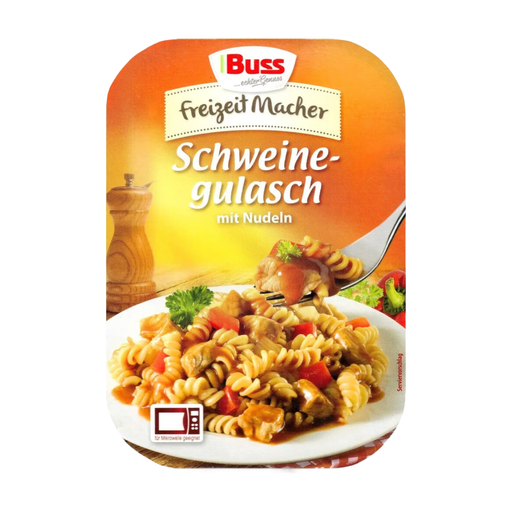
Why this product suits this profile: The 300 g portion is designed for one quick meal and can be heated in a bain-marie or in the microwave. It is a good fit for smaller households, office days and limited storage space.
The precise net quantity, ingredients list and nutritional information per 100 g make it easier to compare cost and portion sizes. The packaging is removed completely before heating.
300 g portion, room-temperature storage and preparation options using a bain-marie or microwave. Contains gluten and egg.
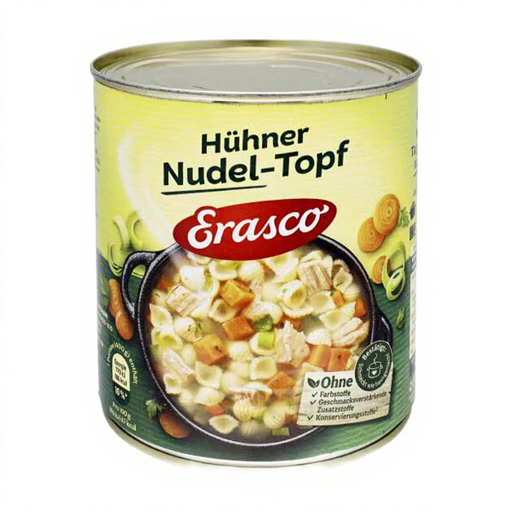
Why this product suits this profile: The large tin provides a family-sized quantity and combines stock, shell pasta, carrots and 4.5% cooked chicken, according to the product information.
The 800 g quantity makes portion planning more straightforward. Allergens such as gluten, egg, celery, mustard, soya and milk are listed in the product information.
800 g tin, heating on the hob or in the microwave, and unopened storage at room temperature.
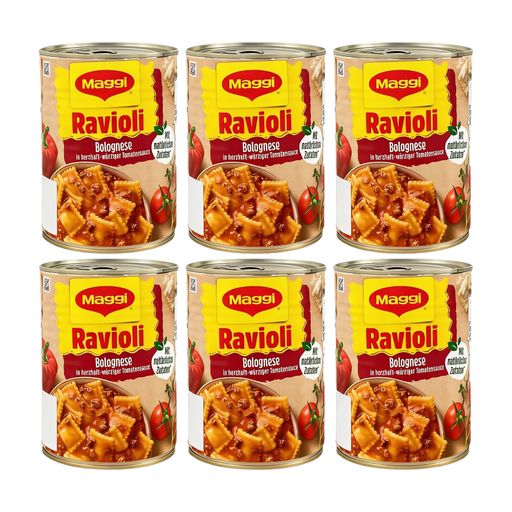
Why this product suits this profile: The six-pack, with a total weight of 4.8 kg, is aimed at people stocking up, large households, clubs and regular campers.
The pack size is clearly stated, preventing the price of a single item from being confused with the price of a stock supply. Storage requires a dry, cool place.
Six 800 g tins, easy saucepan or microwave preparation, and declared allergens including gluten, egg, celery and soya.
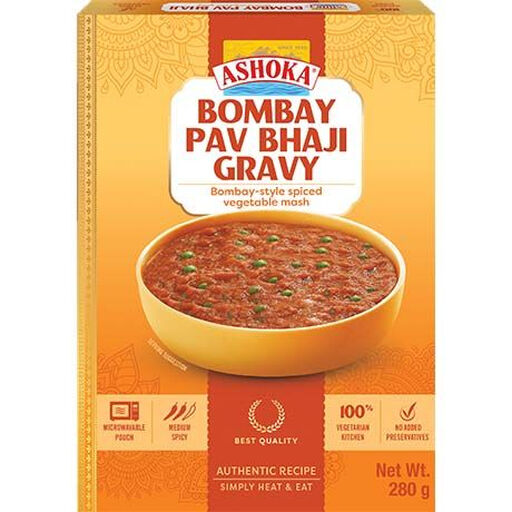
Why this product suits this profile: This vegetable dish with potatoes, tomatoes, cauliflower, peas and spices broadens the choice beyond classic ready-made soups and German stews.
The ingredients list clearly shows the vegetables and spices used. Possible traces of peanuts, soya, nuts, mustard and sesame are highlighted.
280 g pouch, no refrigeration required while unopened, and preparation in the microwave or in a bain-marie.
We have put together a complete, regularly updated list of products that fully meet these strict selection criteria and the safety regulations applicable in the EU.
Depending on your taste and intended use, lentil stew, pea stew, kale stew, chicken dishes or tinned ravioli may also be a good choice. Asian ready meals and Indian ready meals add variety. With products such as Tom Yum soup or curry, pay particular attention to the spice level, allergens and any accompaniments required.
For several people, 800 g tins are often easier to portion. Individuals are more likely to choose portions of 280 to 400 g. If you only have hot water available, it is better to choose a cup meal with a clearly stated standing time. For an emergency food supply, a mix of different portion sizes and preparation methods is recommended.
This depends on the type of product, packaging and best-before date. Unopened tins, trays or pouches are generally stored in a dry place at room temperature, unless the packaging states otherwise. Once opened, leftovers should be refrigerated and consumed within a few days in accordance with the manufacturer’s instructions.
Tinned food and long-life pouches are generally suitable for camping if no fridge is required and the preparation method matches the equipment you have available. Check the weight, packaging volume, amount of water required and whether a saucepan or microwave is needed. For hiking, lightweight individual portions are more practical than large, heavy tins.
Compare the price per 100 g or per kilogram, and take the actual number of portions into account. A multipack may be more economical if you use it regularly, but it requires more storage space. You may also need to factor in the cost of accompaniments, water, energy and packaging disposal.