
Lieferung heute & morgen

Qualitätsgarantie

Willkommens-Angebote freischalten: KOSTENLOSE Lieferung | Bis zu 80 % RABATT | Kostenlose 30-Tage-JoyPlus-Testphase
App herunterladen
Well-planned stair lighting is more than just a functional necessity. It enhances safety, creates an inviting atmosphere, and can elevate the entire look and feel of a stairwell or hallway. However, the market for recessed LED sets is crowded and confusing. If you're not careful, you could invest in a solution that starts flickering after a short time, clashes with your decor, or proves unexpectedly complicated to install.
As your Joybuy Product Recommendation Officer, I'm here to help you navigate the common pitfalls. This guide focuses on the crucial technical features that define a durable and satisfying lighting solution, enabling you to make an informed decision.
Before we dive into solutions, it's important to understand the problems that frequently arise during selection. Many buyers regret their purchase due to three avoidable mistakes:
To avoid these mistakes, you should focus on three core technical parameters. These are the primary determinants of the quality, safety, and flexibility of your new stair lighting.
One of the first decisions involves the electrical installation. There are two common systems:
For most DIY and modernisation projects, a set with a 230V direct connection offers the most straightforward and cleanest solution.
The IP rating indicates how well a light is protected against the ingress of foreign objects (first digit) and water (second digit). For a recessed wall light on a staircase, an IP44 rating is a sensible and recommended standard.
Modern LED technology allows for flexible lighting design. Two functions are particularly valuable here:
Based on the criteria above, we have identified several products suitable for different user profiles.
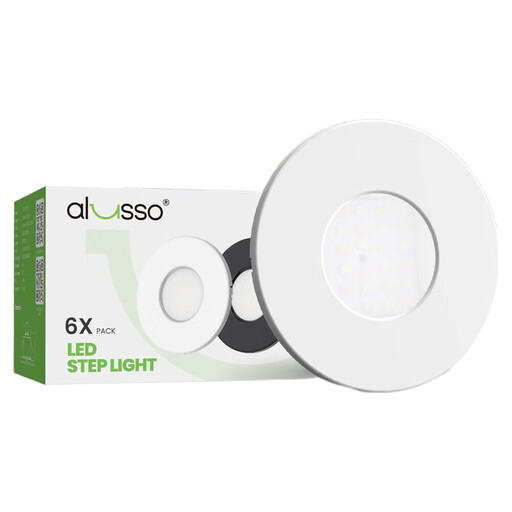
Why This Fits Their Persona: Ideal for homeowners seeking a functional and cost-effective solution for a clean, modern look. The white, round design blends unobtrusively into most walls.
As a complete set with a 230V connection, it bypasses compatibility chaos. The 3CCT function prevents a rigid lighting atmosphere.
Integrated choice of colour temperature and power. Direct 230V connection simplifies installation.
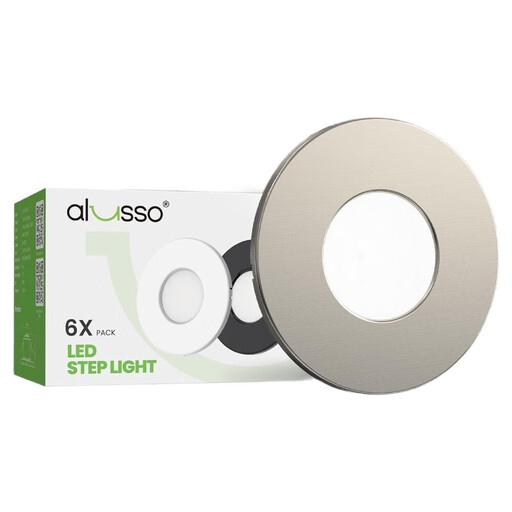
Why This Fits Their Persona: Perfect for new builds or high-end renovations where aesthetics are a priority. The brushed nickel finish pairs excellently with modern stainless steel railings and door hardware.
The IP44 rating ensures durability and protects against the "moisture damage" problem. The dimming function allows for sophisticated light control.
High-quality nickel finish for a cohesive design concept. Full flexibility thanks to dimmability and the 3CCT function.
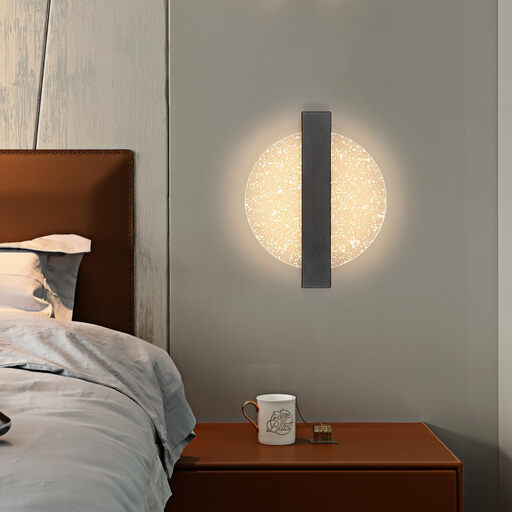
Why This Fits Their Persona: For those who prefer targeted points of light on the wall rather than recessed lights on every step. Ideal as stylish **hallway wall lighting** or for accentuating the ascent of the stairs.
As a standalone fixture, there are no compatibility issues. The clean, modern design is a deliberate aesthetic choice, not a compromise.
Minimalist design for targeted light accents. The warm white light (3000K) creates a homely, inviting atmosphere.
We have compiled a complete, up-to-date list of products that fully meet these strict selection criteria and local safety regulations.
Yes, especially for lights that connect directly to the 230V mains. The installation must be carried out by a qualified electrician to ensure compliance with local electrical codes and your safety. Improper electrical installations can lead to electric shocks, fires, and voiding of your insurance coverage.
A common rule of thumb is to install one light every two to three steps to ensure even and safe illumination. For a standard staircase with 15 steps, a set of 6 to 8 lights is often a good choice. The exact number and positioning depend on the desired lighting effect and the brightness of the individual lights.
3CCT stands for "3 Correlated Colour Temperatures". It means the light can switch between three different light colours. Typically, these are: