
Lieferung heute & morgen

Qualitätsgarantie

Willkommens-Angebote freischalten: KOSTENLOSE Lieferung | Bis zu 80 % RABATT | Kostenlose 30-Tage-JoyPlus-Testphase
App herunterladen
Choosing a new LED ceiling light can quickly become overwhelming given the countless models, designs, and technical specifications. Often, well-intentioned marketing promises lead to purchasing decisions you later regret. This guide focuses on the objective criteria that truly matter, helping you to avoid common pitfalls so your new lighting is both functional and long-lasting.
The three most common sources of error when buying are:
To make an informed decision, it is essential to understand the basic technical parameters. These three metrics are crucial for function, atmosphere, and safety.
With LED technology, the lumen (lm) rating is the decisive value for brightness, not the wattage (W), which only indicates energy consumption. A higher lumen number means more light. The following guide values can be used for ambient lighting:
For a 20 m? living room, a living room ceiling light with around 2,000–3,000 lumens would be a good starting point.
The colour temperature, measured in Kelvin (K), significantly determines the light colour and thus the room's atmosphere.
Models advertised as a dimmable LED ceiling light with adjustable colour temperature (CCT - Correlated Color Temperature) offer maximum flexibility. Often, these functions can be conveniently controlled via a ceiling light with remote control or an app, making them a great option for a smart home ceiling light.
For rooms with high humidity, such as the bathroom, the IP rating is an indispensable safety feature. The IP44 bathroom ceiling light rating is the minimum standard here. The digits indicate:
A light without this rating can corrode from condensation or cause a short circuit.
Based on these objective criteria, we have compiled a few models for different user profiles and requirements.
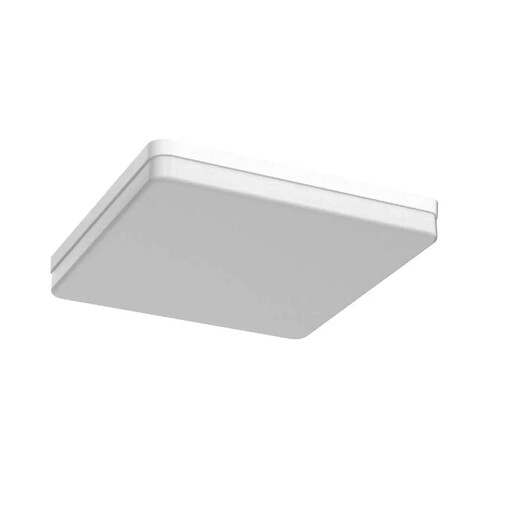
Why this model is a good fit: This model is a straightforward and efficient solution for anyone seeking functional lighting without complex extra features. Ideal for hallways, kitchens, or workspaces where clear, bright light is needed.
The clear specifications of 3,300 lumens and 4500K (Neutral White) prevent a poor purchase. You know exactly what brightness and light colour you are getting, which is ideal for functional spaces.
High light output with low consumption and a very slim profile (approx. 3.5 cm) that integrates discreetly into the ceiling.
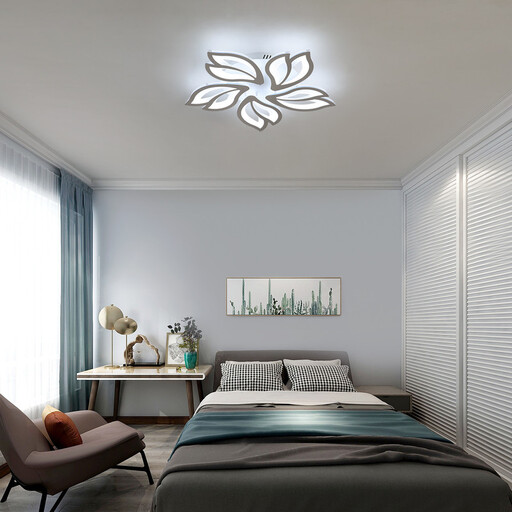
Why this model is a good fit: For users who see lighting as a central design element and want full control over the lighting mood. The floral design makes a statement, while the smart controls offer maximum convenience.
The problem of the "wrong light colour" is completely solved here. Thanks to the adjustable colour temperature from 3000K to 6500K, the light can be adapted to any situation at any time – from cosy to concentration-enhancing.
A combination of artistic design and comprehensive control via remote and app, including a dimming function and memory for the last setting.
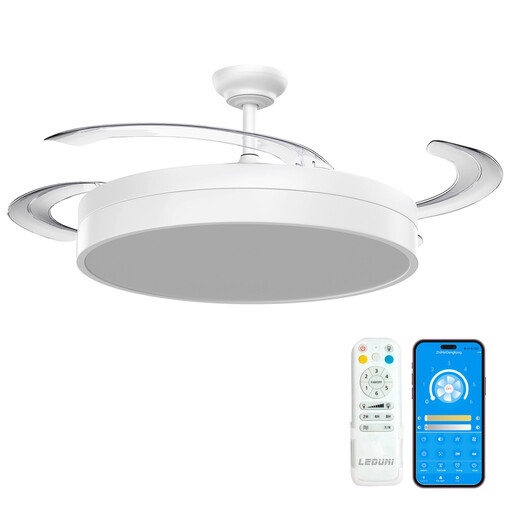
Why this model is a good fit: The ideal 2-in-1 solution for anyone wanting to combine lighting and air circulation without compromising on aesthetics. Perfect for living rooms or bedrooms, especially during the warmer months.
This product provides detailed technical data for both functions – light and ventilation. The adjustable colour temperature (3000K-6000K) and the quiet DC motor prevent disappointment in performance.
The rotor blades retract when not in use, making the fixture look like a normal, elegant black ceiling light or white one. The summer/winter mode ensures year-round utility.
We have compiled a complete, up-to-date list of products that fully meet these strict selection criteria and safety regulations.
For comfortable ambient lighting in a living room, a value of around 100 to 150 lumens per square metre is recommended. For a 25 m? room, you should therefore plan for one or more lights with a total output of 2,500 to 3,750 lumens. A dimmable light offers the advantage of being able to adjust the brightness as needed.
The IP44 rating is a technical specification indicating that a light is protected against splashing water from all sides and against the ingress of solid foreign objects larger than 1 mm in diameter. This is the minimum requirement for safe installation in most areas of the bathroom to prevent short circuits and corrosion from moisture.
Installing a ceiling light involves working with your home's electrical system. In many jurisdictions, regulations require that such work only be carried out by a qualified electrician. Improper installation poses significant risks, such as electric shock or fire. It is therefore strongly recommended to hire a professional for the installation.