
Lieferung heute & morgen

Qualitätsgarantie

Willkommens-Angebote freischalten: KOSTENLOSE Lieferung | Bis zu 80 % RABATT | Kostenlose 30-Tage-JoyPlus-Testphase
App herunterladen
A reliable light source is essential for outdoor activities and emergency situations. Whether you're camping, hiking, or dealing with a power outage at home, a dead battery or an inadequate lamp can quickly become a problem. A rechargeable LED camping lantern offers a practical and sustainable solution.
This article serves as your guide. It explains the key features to consider when making your selection and presents a curated list of models for various applications to help you make an informed decision.
The market offers a wide variety of models with different features. To make the right choice, you should consider three central criteria.
A lamp's brightness is measured in lumens (lm). A bright outdoor lantern isn't always the best one-size-fits-all choice; your needs will depend on the intended use.
Additional light modes, such as dimmed light, a flashing mode (SOS), or red light (to preserve night vision), significantly enhance functionality.
A powerful battery is crucial. Pay attention to the specified runtime in different modes. Modern lamps can be conveniently charged via USB. A USB-C camping lantern is particularly practical, as this port is now a common standard and often allows for faster charging times. The ability to charge the lantern with a power bank, in your car, or with a solar panel provides maximum flexibility.
An outdoor lantern must be rugged. The IP rating indicates how well a device is protected against the ingress of foreign objects (first digit) and water (second digit).
Here is a selection of models that are well-suited for different needs due to their specific features.
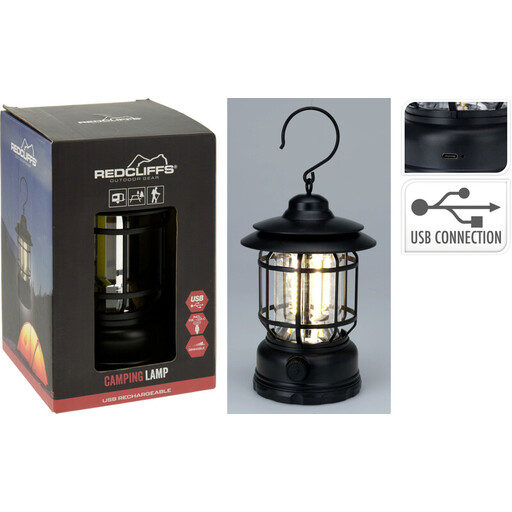
Why It Stands Out: This lantern, with its classic design, is engineered for broad and even illumination, making it perfect for use inside a tent or at a campsite table.
Key Features:
Who It's For: Ideal for campers and families looking for a reliable and easy-to-use tent lantern for cozy camp lighting.
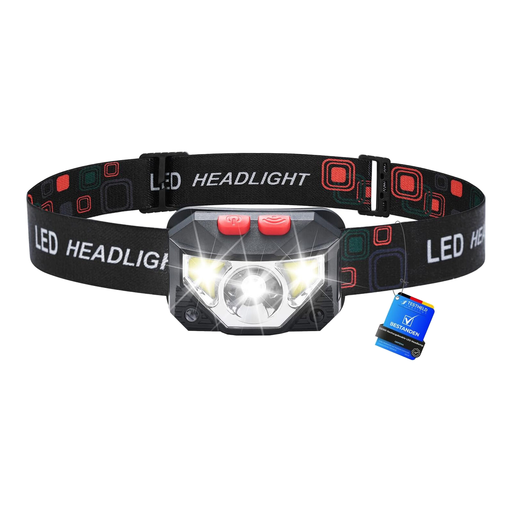
Why It Stands Out: This rechargeable LED headlamp offers maximum flexibility with eight light modes and touchless control, making it a versatile companion.
Key Features:
Who It's For: Perfect for runners, hikers, anglers, and DIY enthusiasts who need a flexible, hands-free lighting solution. An excellent light for hiking or as a light for fishing.
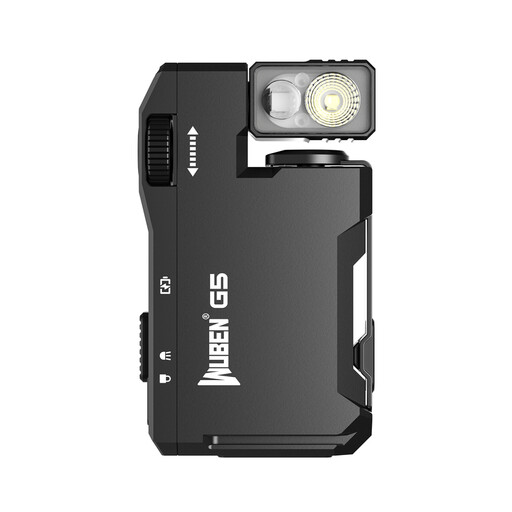
Why It Stands Out: This compact flashlight combines extreme brightness with an exceptionally durable and waterproof build.
Key Features:
Who It's For: An excellent choice for demanding outdoor enthusiasts, as a waterproof flashlight for maritime use, or as a reliable emergency light for your car and home.
The selection of lighting solutions is vast and covers many other specific needs. If the models presented here don't exactly match your requirements, you may find the right device in our broader product range.
Explore more models in our rechargeable lamps category
Lumens (lm) is the unit of measurement for luminous flux and describes the total amount of visible light a lamp emits. A higher lumen count means a brighter lamp. For lighting a tent, 100–300 lumens are often sufficient, while 300 lumens or more are useful for illuminating a path.
For most camping and hiking activities, a lantern with an IPX4 rating (protection against splashing water) is adequate. If you are regularly out in heavy rain or need a lamp for water-based activities (e.g., fishing, boating), a higher rating like IPX6 (protection against powerful water jets) or IP67/IP68 (protection against submersion) is recommended.
The battery runtime depends heavily on the model, battery capacity (measured in milliampere-hours, mAh), and the selected light mode. In low-power mode, many lamps can last 10 hours or more, while the runtime at maximum brightness is often limited to a few hours. The manufacturer's specifications in the product details provide precise information on this.