
Lieferung heute & morgen

Qualitätsgarantie

Willkommens-Angebote freischalten: KOSTENLOSE Lieferung | Bis zu 80 % RABATT | Kostenlose 30-Tage-JoyPlus-Testphase
App herunterladen
A gentle light in a child's room can create a calming atmosphere and help ease a child's fear of the dark. For parents, it's also a practical aid for nighttime nursing or feeding. However, the selection of models is vast, and not every product lives up to its promises. A rechargeable night light for children offers flexibility, but there are crucial differences in quality.
As a Joybuy Product Recommendation Officer, I analyse product data to help you make informed decisions. This guide highlights the most common pitfalls when buying and explains which technical features you should look for to find a durable and safe product.
Many products on the market have flaws that only become apparent with daily use. Watch out for these three typical weaknesses to avoid disappointment.
To find the right model, you should focus on objective, technical parameters. These three criteria are decisive for the safety and functionality of a night light.
The battery capacity, specified in milliampere-hours (mAh), is a direct indicator of the light's runtime. For a slumber light for kids that needs to stay on all night, a capacity of at least 1200 mAh is recommended. This typically allows for an operating time of over 8 hours at low brightness. Also, look for a modern USB-C port. It is more robust and allows for faster, more convenient charging compared to older Micro-USB ports.
A good baby night light should be customisable. A stepless or multi-level dimming function is essential to adjust the brightness to the situation – from a soft glow for falling asleep to a slightly brighter light for changing a nappy.
Safety comes first. For infants and toddlers, models made of soft, BPA-free silicone are a great choice. They are easy to grip, have no sharp edges, and are durable if dropped. For models made of hard plastic (usually ABS plastic), ensure they are sturdily built and do not contain small parts that could come loose. Check the product specifications for relevant safety certifications like CE.
Based on the criteria mentioned, we have identified several products that are well-suited for different needs and households.

Why it's a great fit: Ideal for parents looking for a functional and energy-efficient solution for multiple rooms. The motion sensor activates the light only when needed, which saves battery and provides safe orientation in hallways or bathrooms without needing to flip a switch.
The motion sensor mode solves the problem of short battery life, as the light isn't on constantly. The automatic function makes operation as simple as possible.
PIR motion sensor (3-5m range) and three adjustable colour temperatures (Warm White, Cool White, Mixed) for different environments.
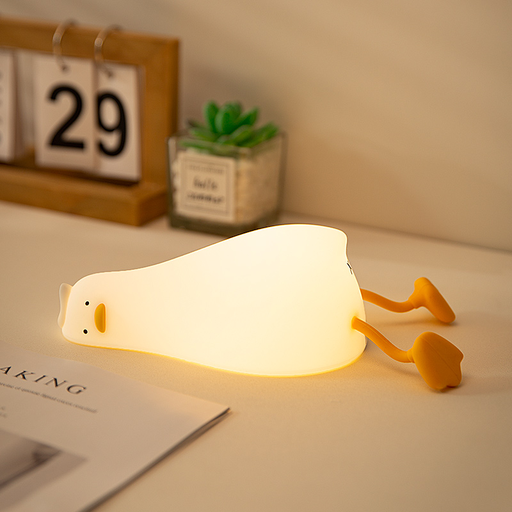
Why it's a great fit: Perfect for the baby and toddler room. The soft, appealing design is safe to touch and operation is child's play. It creates a cosy atmosphere while also serving as a cute decorative element.
The material is specified as child-friendly silicone, directly addressing concerns about questionable substances. The 1200 mAh battery ensures a sufficient runtime.
Soft silicone material and a 1200 mAh battery for long-lasting, gentle light. The appealing design makes it a popular companion for children.
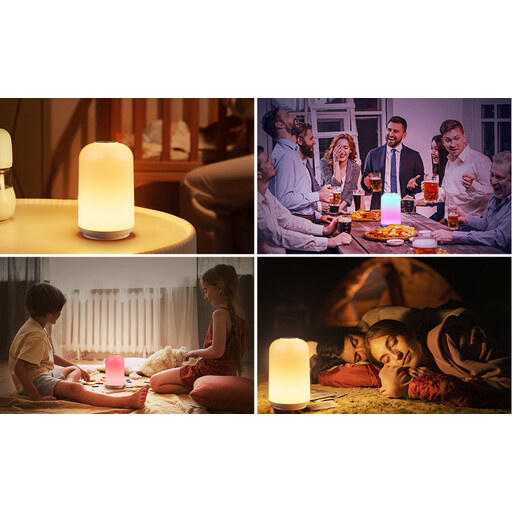
Why it's a great fit: For users who want more than just a simple light. The combination of warm white light and an RGB colour-changing mode offers maximum flexibility – soothing for sleep and fun for play.
Despite its many features, operation is structured with clear modes (Warm White/Off/RGB). The stepless dimming in warm white mode prevents the light from being too bright.
Dual light effects (Warm White & RGB) and stepless dimming for precise brightness control. The integrated battery allows for wireless use.
We have compiled a complete, up-to-date list of products that fully meet these strict selection criteria and UK safety regulations.
1. How long should a rechargeable kids' night light last? A good night light should be able to shine continuously for at least 8 hours at low brightness to cover an entire night. Models with a battery capacity of 1200 mAh or more typically meet this requirement.
2. Is a colour-changing night light suitable for babies? For babies and as a sleep aid, a constant, warm white light (approx. 2700-3000 Kelvin) is recommended, as it is least disruptive to the production of the sleep hormone melatonin. A colour-changing mode can be a playful feature for older children but should be deactivatable for the night.
3. What should I look for in terms of safety with a silicone night light? Look for the "BPA-free" label. This ensures that the material does not contain harmful plasticisers. Additionally, the product should be robust enough that no small parts can come loose and should have a CE marking, which confirms compliance with EU safety standards.