
Lieferung heute & morgen

Qualitätsgarantie

Willkommens-Angebote freischalten: KOSTENLOSE Lieferung | Bis zu 80 % RABATT | Kostenlose 30-Tage-JoyPlus-Testphase
App herunterladen
Rechargeable LED lamps are practical when there is no power socket nearby or when you need to move your lighting around flexibly. Whether you need a USB lamp for your desk, an LED night light for a child’s bedroom, LED cabinet lighting for the kitchen or a rechargeable torch for use on the go, the stated brightness is not the only important factor.
Many disappointing purchases result from three common pitfalls:
Checking these points before buying will help you choose the right lamp for a bedroom, child’s bedroom, wardrobe, hallway, camping or emergencies.
For a rechargeable LED lamp, battery capacity, charging method and operating time are particularly important. A USB connection may use a USB-A plug, Micro-USB or USB-C. Some models have an integrated USB plug and do not require a separate cable.
The stated battery life often depends on the brightness setting. A dimmable LED lamp with several settings may stay lit for longer on its lowest mode than at full power. Therefore, pay attention to:
A small battery is often sufficient for an LED reading lamp, whereas a portable lamp intended for longer use requires a higher capacity.
Brightness is measured in lumens. A small lamp with 16 lumens may be suitable for reading in bed, while a rechargeable torch with 1,200 lumens provides significantly more light for outdoor areas. However, lumens are not the only relevant specification: the beam angle, optics and distance also affect perceived brightness.
Colour temperature is measured in Kelvin:
An LED motion-sensor lamp with three colour temperatures is a flexible choice if you want to use the same light in different rooms.
Measure the intended space before buying. Slim models with a height of around 10 mm are practical for wardrobes and shelves. A clip-on lamp, on the other hand, requires a stable edge. For camping or emergencies, low weight, a carrying loop and a robust outer casing are important.
For motion sensors, check the detection area and range. According to the product details, the cabinet lights featured here use a PIR sensor and detect movement within an area of around 3 to 5 metres. A sensor does not respond to every movement in the same way; mounting height, viewing direction and obstacles can affect how it works.
A protection rating such as IPX6 or IP68 describes the manufacturer’s stated resistance to water and dust under defined conditions. The charging connection should be dry before charging. Always follow the relevant instructions for use.

Why this product suits this profile: Two compact lights cover wardrobes, hallways or shelves without the need to drill holes for installation. They can be charged via a power bank, laptop or USB mains adaptor.
The product details specify a height of 10 mm, a PIR detection area of 3–5 m and an 800-mAh battery rather than making only general claims about battery life.
Three light colours, PIR sensor, adhesive mounting and a two-light set.
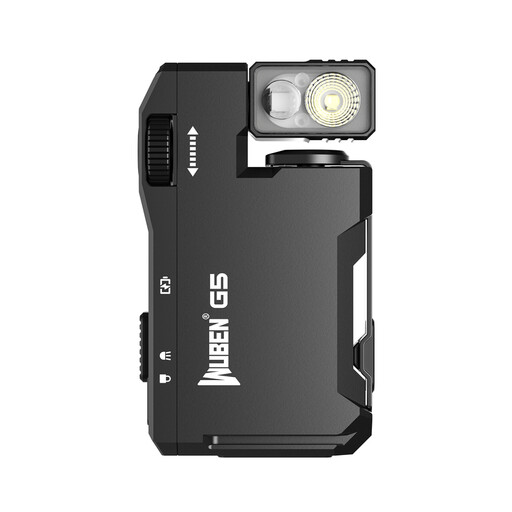
Why this product suits this profile: For camping, hiking, DIY projects and emergency kits, this cordless LED lamp offers a high stated light output and USB-C charging.
The specifications include 1,200 lumens, a beam distance of up to 93 m, six modes and an IP68 rating. These values should nevertheless be checked against your intended use and the instructions.
USB-C, aluminium housing, six light modes and a stated IP68 protection rating.
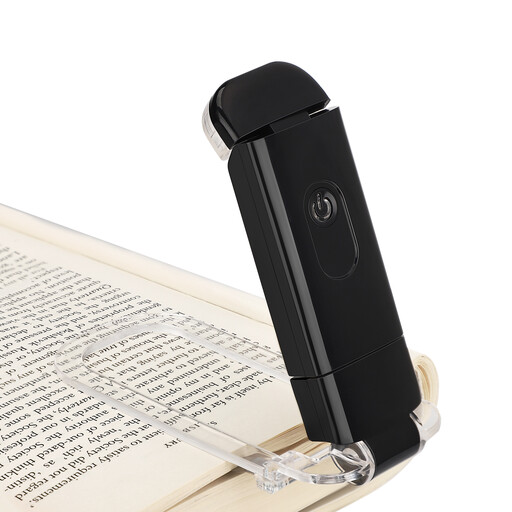
Why this product suits this profile: The LED reading lamp can be clipped on or placed freestanding. Its light weight and warm white light make it suitable for use in bed, while travelling, on trains or on planes.
Instead of a rigid design, it offers 350° rotation, 45° tilt and two brightness settings. The stated battery life is up to 8 hours.
37 g weight, 3,000 K warm white light, clip and integrated 200-mAh battery.
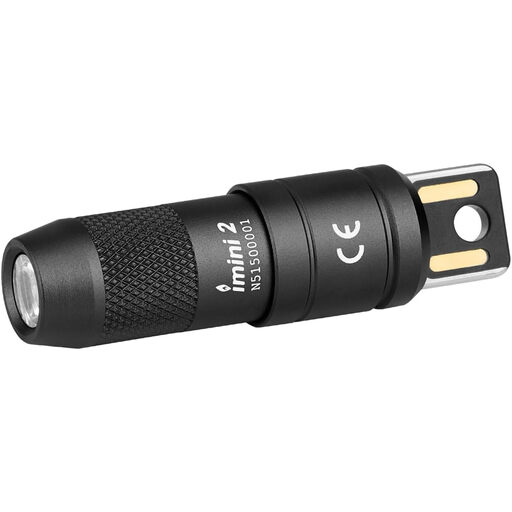
Why this product suits this profile: This very compact rechargeable torch is designed for keyrings, bags, cars or emergency kits and can be charged via its integrated USB plug.
The product details specify dimensions of 55 mm, a weight of 19.5 g, a charging time of around 60 minutes and a beam distance of up to 21 m.
Integrated USB plug, magnetic mounting, 50 lumens and an IPX6 rating.
We have put together a complete, regularly updated list of products that fully meet these strict selection criteria and the safety regulations applicable in the EU.
Before installing LED cabinet lighting, the surface should be clean, dry and free from grease. Adhesive pads stick better to smooth surfaces than to rough wood or dusty masonry. With magnetic models, check whether the surface is ferromagnetic. If not, a separate metal mounting plate may be required.
When children are present, small parts, charging cables and lamps with lithium batteries should be kept out of their unsupervised reach. Charging connections must not come into contact with moisture. A lamp should also never shine directly into the eyes, particularly when it has a high light output.
For regular use, it is best to choose a dedicated charging spot. If a rechargeable LED lamp is not used for an extended period, it should be stored according to the manufacturer’s instructions and checked at suitable intervals. A swollen battery, unusual heat or visible damage are all reasons to stop using the product.
Service life has two distinct aspects: the LED itself and the integrated battery. LEDs can operate for a long time, while batteries lose capacity through charging cycles and storage conditions. Actual operating time per charge depends on brightness, sensor operation and battery capacity.
That depends on the model. An LED night light should have a low, comfortable brightness setting, a sturdy housing and a safe charging connection. Always observe the manufacturer’s age recommendations and safety information. Lamps with small detachable parts should not be left unsupervised near young children.
Power consumption depends on battery capacity, charging frequency and the charging electronics. Small USB lamps generally require only a limited amount of energy per charge. Actual usage and the selected brightness setting also determine ongoing costs. Automatic shut-off via a motion sensor can reduce unnecessary operating time.