
Lieferung heute & morgen

Qualitätsgarantie

Willkommens-Angebote freischalten: KOSTENLOSE Lieferung | Bis zu 80 % RABATT | Kostenlose 30-Tage-JoyPlus-Testphase
App herunterladen
A rechargeable LED night light is incredibly handy when there’s no socket nearby, or when you need a light that can move flexibly between the bedroom, hallway, children’s room and campsite. However, product pages often boast about long runtimes, high brightness and versatile sensors without clearly explaining the crucial details.
As Joybuy’s Product Recommendation Officer, I’ve filtered out the most important specifications and will show you what households in the UK should look out for before buying.
A runtime of several hours often refers to the lowest brightness setting. At maximum brightness, the operating time can be significantly shorter. So when choosing, it’s not just claims like “long battery life” that matter, but also battery capacity, brightness level and charging time.
A model with a motion sensor can be used for longer because it only switches on when movement is detected. A permanently lit rechargeable LED lamp, on the other hand, naturally requires more energy.
A cordless night light can be used without a mains connection, but it may still need screws, a suitable metal surface or strong adhesive tape for fixing. Before buying, you should be clear about whether it uses magnetic mounting, adhesive mounting, a stand base or a clip.
In rented properties and on delicate surfaces, removable magnetic holders or a portable table lamp are often more practical than permanently sticky adhesive strips.
An LED night light with a motion sensor is ideal for hallways, cupboards and staircases, but in the bedroom it could switch on with every movement. So check:
For decorative lighting or reading beside the bed, touch control and dimming are often a better choice than a motion sensor.
Capacity is given in milliampere-hours (mAh). A battery with 1,200 mAh generally holds more charge than a model with 800 mAh. However, the actual runtime also depends on the LED power, brightness and operating mode.
A USB-C night light can be connected to many modern chargers, power banks and laptop ports. It’s important to know whether a charging cable is included and what input values are specified. The 5 V rating and the permitted charging current should be compatible with the charger you’re using. Damaged batteries must not be reused, and lights should not be opened by yourself.
Brightness is often given in lumens (lm). A value of 400 lm is more suitable for a hallway, workbench or cupboard area than for a very subtle night light.
The colour temperature in Kelvin (K) describes the light colour:
A dimmable LED lamp or a model with multiple colour temperatures can be useful for different situations. For bathrooms, balconies or camping, you should also check whether an ingress protection rating such as IP44 is explicitly stated. IP44 offers protection against splashing water, but does not replace full waterproofing.
For cupboards and shelves, the height matters. A light with a profile thickness of just 10 mm will fit into narrow spaces too. When mounting under a wall cabinet, the length, sensor position and light distribution should match the area.
Also pay attention to:

Why this product fits the profile: Two compact lights with a PIR sensor are ideal for the kitchen, wardrobe and hallway when you want to equip several areas without extra wiring.
The technical specifications clearly state 800 mAh, USB charging, a 3–5 m detection range and three colour temperatures, rather than just vaguely promising flexibility.
Two lights, 200 × 38 × 10 mm per lamp, PIR sensor and adhesive mounting without drilling.
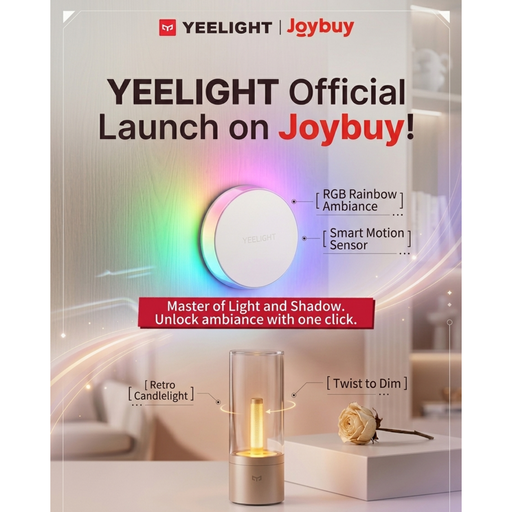
Why this product fits the profile: The combination of RGB light, eleven preset effects, a motion sensor, magnetic fixing and USB-C charging is designed for users who want ambient lighting with automatic activation.
The product description names concrete features like magnetic mounting, USB-C and a motion sensor, so the range of functions remains clear and understandable.
RGB ambient lighting, eleven preset effects and cordless use with USB-C charging.

Why this product fits the profile: For camping, balconies, dining tables or power cuts, this portable light offers a 4,000 mAh battery, four dimming levels and a stated IP44 rating.
The runtime is given together with the brightness level: up to 80 hours at minimum brightness. This makes it much easier to interpret the claim.
4,000 mAh battery, four touch dimming levels, portable format and IP44 rating for use in areas exposed to splashing water.
We’ve put together a full, regularly updated list of products that fully meet these strict selection criteria and the safety regulations in force in the EU.
The operating time depends on the battery capacity, brightness and activation mode. A night light with a motion sensor uses less energy when activated only occasionally than a light in continuous operation. Manufacturer claims should therefore always be considered together with the brightness level used.
Suitable areas are those where people regularly pass by, such as hallways, cupboard fronts, stair landings or the entrance to the bathroom. The sensor should not be blocked by furniture, curtains or decorations. When mounted above eye level, the automatic illumination can be more pleasant, while in a cupboard a lower position is often more practical.
An LED light uses relatively little electrical energy during operation. The running costs depend on the power, charging frequency and your electricity tariff. When choosing, concrete values like 2 W, battery capacity and charging time are more helpful than general statements about energy efficiency. For rarely used areas, a motion sensor can further limit energy consumption.