
Lieferung heute & morgen

Qualitätsgarantie

Willkommens-Angebote freischalten: KOSTENLOSE Lieferung | Bis zu 80 % RABATT | Kostenlose 30-Tage-JoyPlus-Testphase
App herunterladen
A sudden noise from the nursery, a midnight trip to the bathroom, or searching for clothes in a dark closet—these are all situations where you need a reliable light source without fumbling for the main switch. A rechargeable motion sensor night light offers a practical and energy-efficient solution. It automatically provides light exactly when you need it, enhancing both safety and comfort within your home.
This guide is designed to help you navigate your options. We'll explain the key features of these lights and present a curated selection of models to make it easier for you to choose the right lighting solution.
Selecting the right night light depends on the specific needs of its intended location. Three key criteria will help you make the right decision.
The flexibility of a night light is largely determined by its power source and mounting options.
The quality of the light affects both atmosphere and functionality.
The motion sensor is the heart of these lights.
Based on the criteria above, we have compiled a selection of different models suitable for various use cases.
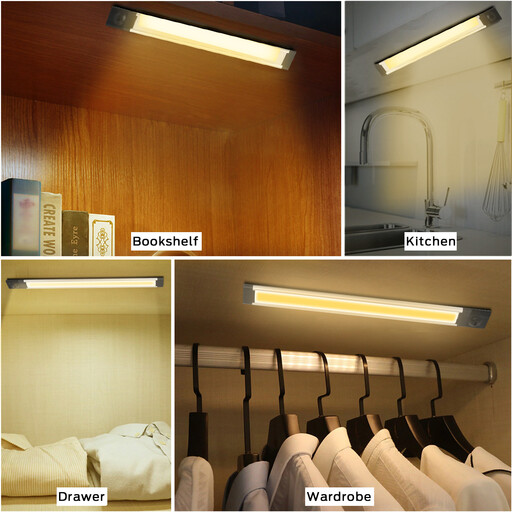
What makes it stand out: This model combines high light output with innovative controls. Brightness and power are regulated with simple hand gestures, allowing for touchless operation. The light bar is equipped with 36 Epistar 4014 SMD LEDs that produce a brightness of up to 400 lumens. The colour temperature is adjustable, ranging from warm white (2800 K) to cool white (6500 K).
Pros:
Best for: Users looking for a bright, flexibly mounted lighting solution for closets, workshops, or kitchens who appreciate modern controls.
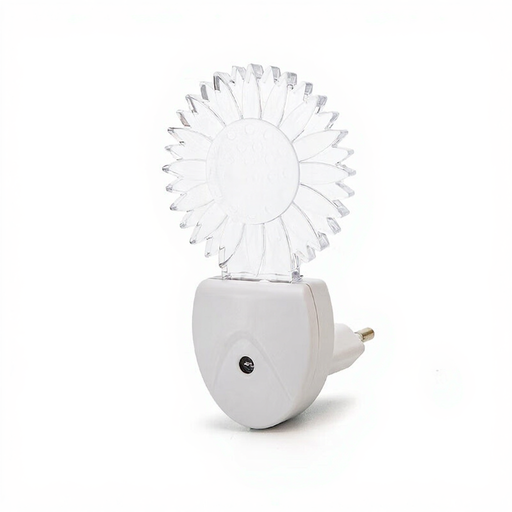
What makes it stand out: This plug-in night light with a sunflower design brings a splash of colour to the dark. It features a dusk-to-dawn sensor that automatically activates the light in darkness, cycling through a soft RGB colour spectrum. With a power consumption of just 0.5 watts, it is extremely energy-efficient.
Pros:
Best for: Families looking for a decorative and safe night light for kids that creates a calming atmosphere without any manual operation.
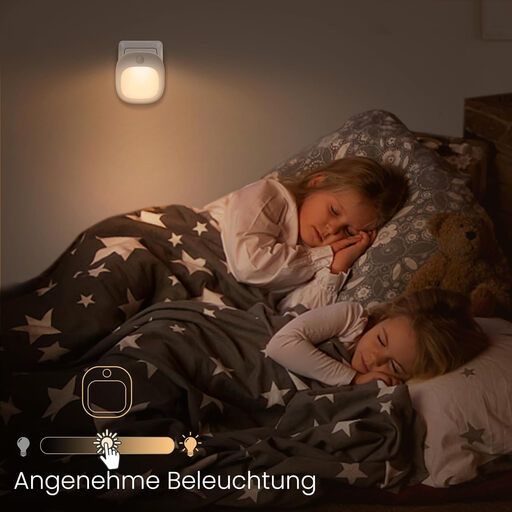
What makes it stand out: This compact, rechargeable night light is a versatile all-rounder. It offers three selectable colour temperatures (warm white, cool white, mixed light) and a 5-level dimming function. The integrated 500 mAh battery is charged via USB, allowing for flexible placement. The sensor has a detection range of 3–5 metres.
Pros:
Best for: Users who need an adaptable lighting solution for different rooms, such as a gentle nursing light in the bedroom or a brighter orientation light in the hallway.
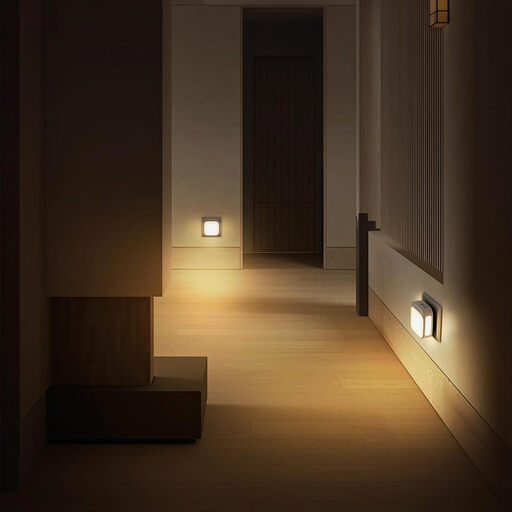
What makes it stand out: This plug-in night light focuses on maximum energy efficiency and ease of use. With a power consumption of only 0.3 watts, it's designed for continuous operation. The brightness of the warm white light can be steplessly adjusted from 10% to 100%. The light sensor automatically turns it on at dusk and off at dawn.
Pros:
Best for: Individuals seeking a permanent and cost-effective "set-and-forget" solution for fall prevention in hallways, stairwells, or bathrooms.
The products featured here cover common use cases. However, if you're looking for a more specialised solution—for example, with different dimensions, higher light output, or specific design features—it's worth exploring the broader assortment.
? Explore the full range of Motion and Ambient Light Sensor lights here.
1. How long does the battery last on a rechargeable motion sensor night light? Battery life depends heavily on the frequency of use, the set brightness level, and the battery capacity (measured in mAh). In pure motion-sensor mode, where the light activates only a few times per night for short periods, a single charge can last several weeks to months, depending on the model. In continuous-on mode, the runtime is significantly shorter, often just a few hours.
2. Can you adjust the brightness of an LED night light? Yes, many models are designed as dimmable LED night lights. The adjustment is either stepless or in several predefined levels. This feature is particularly useful for adapting the light to the specific environment—for example, dimmed in the bedroom and brighter in the hallway.
3. Where is the best place to install an orientation light in a hallway? For an orientation light in a hallway or as a stair light with a sensor, mounting at knee to hip height (approx. 30–80 cm above the floor) is recommended. At this height, the sensor reliably detects movement, while the light illuminates the floor without shining directly into your eyes. This minimises glare at night and ensures safe passage.