What should you look for when buying?
First, check how the microphone connects to your recording device. Then compare quiet and emphatic speech, as well as the noise at your planned recording location. Extra wireless technology is only worthwhile if you actually want to move around while speaking.
| What matters |
What to check before buying |
Who is this important for? |
| Clear speech with varying emphasis |
Adjustability and documented microphone positioning; watch the level meter and listen back to the saved recording, including both quiet and loud lines. |
If I want to record clear, quiet instructions and emphatic exclamations, I’ll test both in a sample recording. Consumers with this priority are estimated to make up around 31% of this buyer group. |
| The right recording connection |
Compare the exact model version, microphone input and headphone output; allow for a splitter, adapter or preamp if needed. |
If I want to record and monitor without needing unexpected extra equipment, the signal path must work with my device. Consumers who prioritise connectivity are estimated to make up around 25% of this buyer group. |
| Kitchen noise and monitoring |
Test at your usual recording location with typical background noise, then listen back to the saved voice track. Don’t confuse the microphone’s pickup pattern with headphone isolation. |
If I want to know how dishes or ventilation sound in the recording, I’ll listen to the saved track rather than just the monitor signal. Consumers who need this level of control are estimated to make up around 25% of this buyer group. |
| Freedom of movement and fit |
Think about whether you’ll actually move around while speaking; check the wireless connection, monitoring and equipment you’ll need, and assess the fit for the length of time you plan to wear it. |
If I want to speak while cooking and keep my hands free, a comfortable fit and a well-planned recording setup matter. Consumers who prioritise mobility and comfort are estimated to make up around 19% of this buyer group. |
Joybuy products for recording recipes
The products below include USB headsets, a wired 3.5 mm headset and wireless headsets for use with a computer. For each model, check that its connection and recording setup are compatible with your device.
 No image available
Logitech H540 USB Headset
For recording on a computer with a compatible USB-A port.
The product description specifies an adjustable microphone, plus in-line volume and mute controls.
View at Joybuy
 No image available
ONIKUMA GT889 Wireless Headset
For hands-free speaking if you can use one of the listed connection options with your recording device.
The product description specifies a detachable microphone boom, a 2.4 GHz USB receiver and a wired mode. Check that you can use the receiver with your device.
View at Joybuy
 No image available
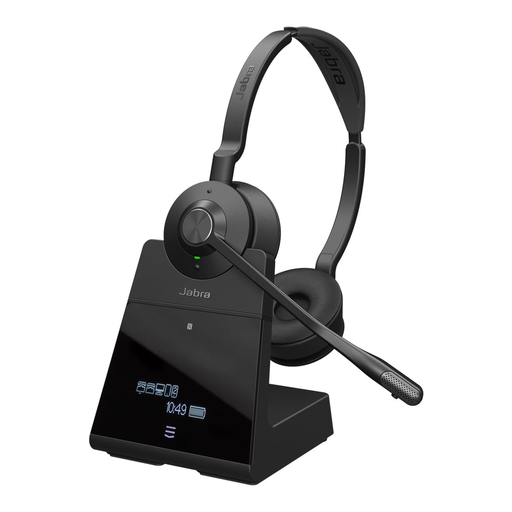
Jabra Engage 75 SE Wireless Stereo
For wireless use with a computer, provided the base connects to it via a compatible USB connection.
The product description specifies DECT wireless technology and a base. For the computer connection described, connect the base to the computer via USB.
View at Joybuy
 No image available
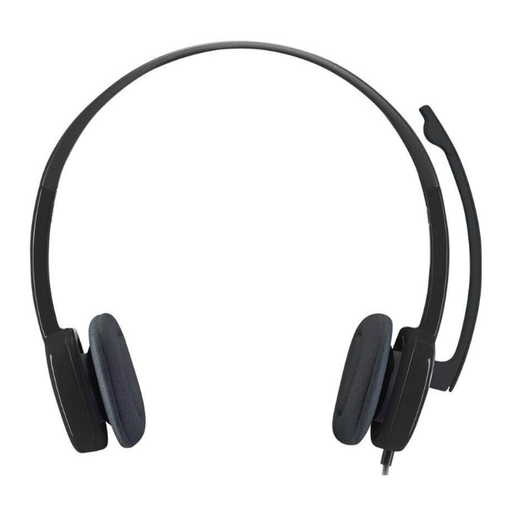
Logitech H151 Stereo Headset
For a wired setup, provided your device supports a microphone input through its 3.5 mm connection.
The product description specifies an adjustable microphone and in-line controls. The connection must support the microphone signal.
View at Joybuy
 No image available
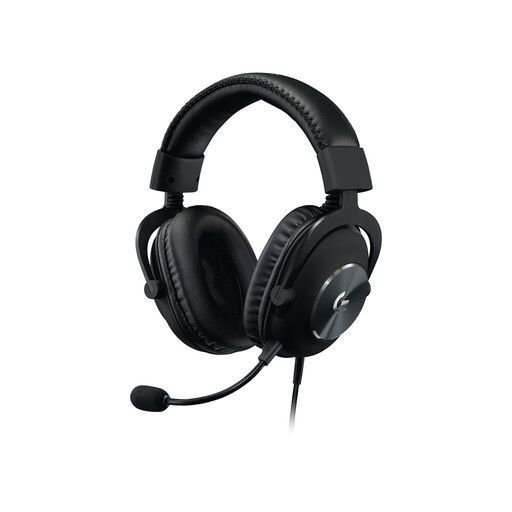
Logitech G PRO X Gaming Headset
For recording on a computer, if the USB recording setup is compatible with your equipment.
The product description specifies a detachable microphone and a USB sound card. According to the description, the USB sound card’s advanced features are designed for use with a PC.
View at Joybuy
Frequently asked questions
How do I check the levels before recording a recipe?
Test-record your quietest and most emphatic passages, and watch the level meter. Audacity recommends lowering the recording level if the test reaches the yellow or red zone, from −9 dB to 0 dB. Then listen back to the saved file.
Can I simply plug an XLR or TRRS headset into a headphone socket?
Not just because the plug fits. The European Audio-Technica BPHS1 needs separate microphone and headphone connections; the RØDE NTH-100M requires its specified TRRS cable for microphone use. RØDE describes a splitter for separate sockets. Check that your device can actually receive the microphone signal.
How should I care for a headset after recording while cooking?
Follow your model’s instructions and check whether the ear pads or windscreen can be removed. For the SM35, Shure recommends letting sweat dry completely before putting it away and not storing the microphone while it is damp or enclosed.
What extra equipment should I allow for before buying?
For XLR and wireless setups, check whether you already have a compatible interface, preamp or the necessary transmitting and receiving equipment. A separate headset microphone such as the Shure SM35 doesn’t include headphones; for wired use of the TQG version, Shure specifies an additional preamp.
What should I look for to check whether a wireless headset complies with product requirements in Germany?
The German Federal Network Agency lists a correctly affixed CE marking, an identifiable product and accurate manufacturer details among the points it checks during market surveillance. This doesn’t automatically confirm that a particular model version is compliant.


