For recording a single recipe voiceover in one fixed spot, a handheld recorder with built-in microphones may be enough, provided you can position it properly and listen back to a test recording. If you want the microphone to sit close to your voice independently of the recorder, or you’d like to record several sources separately, check which inputs you need and what extra equipment is involved. More tracks or 32-bit float won’t make up for placing the microphone too far away.
Which setup is right for you?
Recipe creators recording on their own
If you record recipe voiceovers on your own in one fixed spot, a stable microphone position, clear speech and a test recording in the actual room are what matter. RØDE points out that placing the microphone too far away can make your voice sound more distant and bring room echo and background noise to the fore.
Speakers who need a flexible microphone setup
If you want to position the microphone independently of the recorder or record additional sound sources separately, the right inputs and number of tracks are essential. ZOOM lists two XLR/TRS inputs and four tracks for the H4essential; the H1essential has a 3.5 mm microphone/line input.
Recipe video creators with an editing workflow
If you plan to edit your voice recordings on a computer, the recording format and transfer method should suit your workflow. Sony lists 16 GB of built-in storage for the PCM-A10, along with Linear PCM and MP3 recording; the maximum recording time depends on the format you choose.
What should you look for when buying?
First, check whether you can position the built-in microphones securely and close enough to you where you’ll be speaking. A separate microphone, extra inputs or multiple tracks only become more important if your planned setup calls for them.
| Priority |
What to check before buying |
Who it matters most to |
| Voice and room sound |
Check whether you can position the built-in microphones securely where you’ll be speaking, or whether you need an input for a separately positioned microphone. |
If I want to record a clear recipe voiceover in one fixed spot, I make sure the microphone is close enough and the room isn’t picked up unnecessarily. Around 33% of consumers prioritise room sound and speech clarity. |
| Getting started easily |
Compare the controls, monitoring options, and the memory card and power supply required by the specific model. |
If I’m recording individual steps repeatedly, I want to be able to start recording without a lot of setup. Around 27% of consumers prioritise an easy, repeatable start. |
| File format and transfer |
Choose the format you need for editing, then check the recording time and transfer method for it. |
If I’m going to edit the voice recording on a computer afterwards, I want it to fit into my planned workflow. Around 20% of consumers prioritise editing and transferring files. |
| Inputs for external microphones |
Check that the microphone, connector, any power requirements and the number of simultaneous signals you need are compatible with the exact model. |
If I want to use a separate microphone or several sound sources, I need the right connections and tracks. Around 20% of consumers prioritise an external microphone setup. |
Common buying mistakes
-
Assuming 32-bit float makes up for poor microphone placement
A recording format can’t remove the increased amount of room sound you may hear when there’s a large gap between the microphone and your voice.
First, try the planned position in your home studio and listen back to a test recording. Then decide whether you need extra inputs or a separate microphone.
-
Forgetting the memory card and power supply for the DR-05XP
Tascam’s manual lists a microSD card and two AA batteries as essentials for recording and playback.
Check what’s included with the specific offer, and have a card and power source ready before you start recording.
-
Confusing a place on a list with availability or suitability
An audio recorder list published by Testberichte.de includes the DR-40XP and Portacapture X8, among others. Tascam Europe lists both models as discontinued. A high ranking also doesn’t mean that multi-track recording is necessary for a single recipe voiceover.
Consider the ranking, model status and your microphone setup separately. Before buying, check the specific offer and whether the recorder suits your recording needs.
Key brands to consider
Zoom
The H1essential and H4essential models differ in several ways, including their connections and track options.
- The H1essential has built-in microphones and a 3.5 mm microphone/line input; according to ZOOM, the H4essential offers two XLR/TRS inputs and four tracks.
- Extra inputs and 32-bit float don’t replace good microphone placement. Recording quality claims are based on the manufacturer’s own information.
Tascam
The DR-05XP combines built-in microphones and a 3.5 mm input with USB-C audio interface functionality.
- The manual lists a microSD card and two AA batteries as essentials for recording and playback.
- Tascam Europe lists the DR-40XP and Portacapture X8 as discontinued. Previous rankings don’t prove that these models are regularly available new.
Sony
The PCM-A10 is a compact option for voice recordings, with built-in storage and Linear PCM and MP3 recording.
- Sony lists 16 GB of built-in storage.
- The stated maximum recording time depends on the file format. Storage capacity alone doesn’t prove that it will record better voice audio in your room.
OM SYSTEM
OM SYSTEM describes the LS-P5 as a standalone Linear PCM recorder and an accessory for video recording.
- The manufacturer’s positioning makes it worth considering for projects involving both audio and video recording.
- For a single recipe voiceover, compare the features you actually need with a simpler setup.
Roland
Roland positions the R-07 for mobile recording, with savable recording scenes and wireless remote control.
- Remote control can be useful if the recorder isn’t right beside you while you’re speaking.
- The manufacturer’s claims about sound quality aren’t the same as a comparison test for recipe voiceovers.
Suitable products on Joybuy
This selection features compact recorders with built-in microphones for recording speech at home.
 No image available
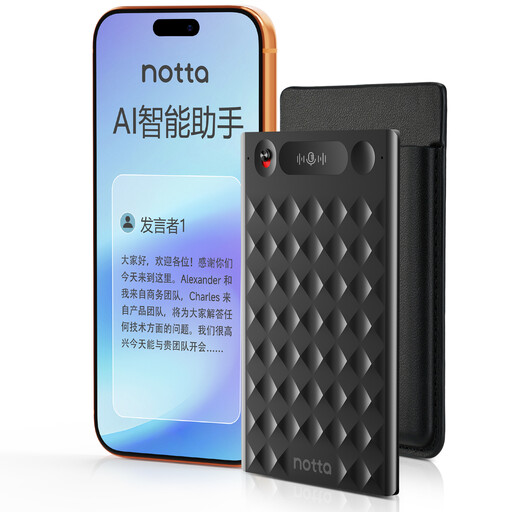
AI Voice Recorder, 32 GB, Black
This recorder with built-in microphones may suit short voice recordings at home. How clear they sound also depends on the microphone position and the room.
Listed features include 32 GB of storage, up to 30 hours of recording time, a four-microphone array and an indoor recording mode.
The product description mentions real-time transcription, app management and cloud synchronisation. Check that the app and file workflow suits the way you plan to use it.
View on Joybuy
Frequently asked questions
How do I set up a recorder for a recipe voiceover?
Position the microphones securely where you plan to speak, then listen back to a test recording that includes both quiet and emphatic words. According to RØDE’s guide to microphone technique, placing the microphone too far away can make your voice sound more distant and bring room echo and background noise to the fore.
What do I need before recording with the Tascam DR-05XP?
Tascam’s manual lists a microSD card and two AA batteries as essentials for recording and playback. Before recording, also check that you have enough storage space available.
What should I check about accessories and my rights after purchase?
Check what’s included with the specific offer, particularly the memory card, batteries and accessories for an external microphone. Your statutory rights and a manufacturer’s voluntary guarantee are two different things; Verbraucherzentrale explains what you can do if goods are faulty.
Can I record someone else’s voice without their permission?
Under § 201 para. 1 StGB, recording another person’s privately spoken words on an audio medium without authorisation is a criminal offence. Make sure you have the necessary permission before recording; this law does not apply to simply recording your own voice.


