
Lieferung heute & morgen

Qualitätsgarantie

Willkommens-Angebote freischalten: KOSTENLOSE Lieferung | Bis zu 80 % RABATT | Kostenlose 30-Tage-JoyPlus-Testphase
App herunterladen
The quest for the perfect relaxation spot at home often leads to one conclusion: a recliner chair. However, the market is flooded with options, and their promises don't always hold up in reality. Before you commit, it's crucial to understand the common pitfalls that often only reveal themselves long after the purchase is made.
Many buyers report three common issues:
storage ottoman sounds practical, but the storage capacity is often so minimal it can barely hold more than a remote control. This leaves the promised functionality falling far short of expectations.This guide will help you navigate these pitfalls and make an informed decision based on objective criteria.
To find a durable and functional chair, you should carefully evaluate three core aspects. These criteria are far more important than aesthetics or marketing hype.
The stability of any seating furniture depends directly on its internal structure. A solid frame is the foundation for safety and longevity.
TV recliner, a metal frame is often the best choice, as it is built to withstand the long-term mechanical stress of the reclining mechanism. For ottomans or benches, MDF (Medium-Density Fibreboard) is commonly used. Look for its classification (e.g., E1 Standard), which provides information about its stability and emission levels.Consider exactly what function the furniture will serve in your daily routine.
recliner typically offers an adjustable backrest and a pop-up footrest. In contrast, a lounge chair or reading chair usually has a fixed, ergonomically angled design, built for a relaxed posture without any mechanical parts.bean bag with footstool provides an informal and flexible seating solution that's easy to move around. A living room pouf can be used as a footrest, an extra seat, or, with a tray on top, a small side table.The comfort and durability of a chair are significantly determined by its upholstery and filling.
Here are some product suggestions tailored to different needs and living situations.
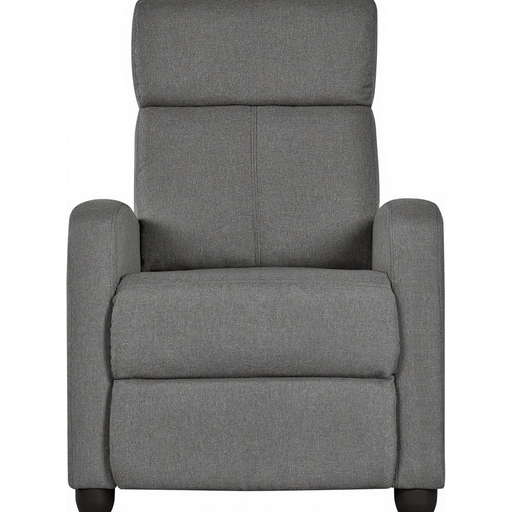
Why it's a great fit: Ideal for those who want a dedicated spot for reading or watching TV. This chair provides a classic reclining function for full-body relaxation and support.
The design is built on a metal frame engineered to handle the mechanical stress of the reclining function. This directly addresses the common weakness of unstable mechanisms.
Offers three relaxation positions (sitting, elevated legs, and reclining) and supports a maximum weight of 120 kg.
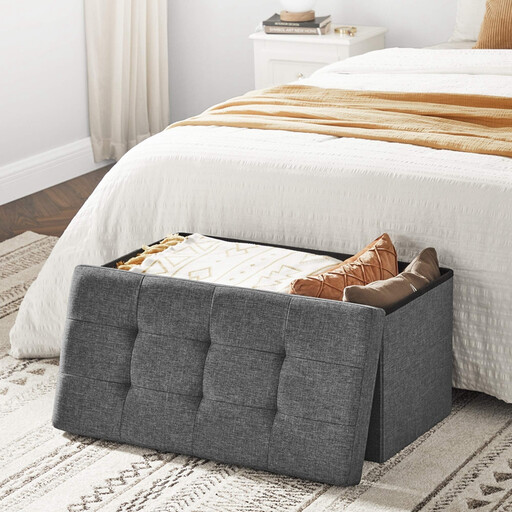
Why it's a great fit: Perfect for smaller apartments or any room where every function counts. This bench combines sturdy seating for two with generous storage space.
Unlike many products with token storage, this bench offers a volume of 80 litres, making it a genuinely useful storage solution for blankets, toys, or magazines.
High static weight capacity of 300 kg and is collapsible for space-saving storage when not in use.
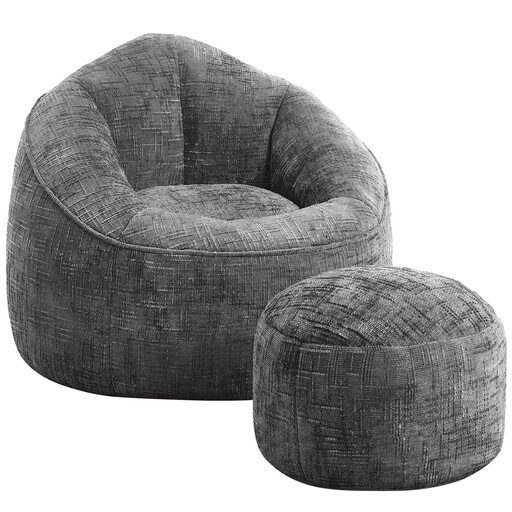
Why it's a great fit: For those who prefer an unconventional and mobile seating solution. It's ideal for gaming nooks, teen rooms, or as a cosy reading chair that can be easily repositioned.
Instead of a basic foam or polystyrene bead filling, this uses shredded memory foam. This material adapts to the body and returns to its original shape, counteracting the problem of the filling quickly losing volume.
Ergonomic design with a separate footstool, durable chenille cover, and a shape-retaining memory foam filling.
We have compiled a complete, up-to-date list of products that meet these strict selection criteria and safety requirements.
1. How do I clean a recliner with a fabric cover? Care depends on the material. For linen, velvet, or chenille covers, spot cleaning with a slightly damp cloth is generally recommended. Avoid harsh cleaning agents. For some models with removable covers, machine washing according to the manufacturer's instructions may be possible. Always check the manufacturer's care label.
2. What is the difference between a recliner and a lounge chair? A recliner typically has a mechanical or electrical function to adjust the backrest and footrest. A lounge chair is usually static, but its design is already geared towards a relaxed, reclined posture. It is often a design statement, whereas the recliner focuses on maximum functional versatility.
3. How important is the stated maximum weight capacity? The maximum weight capacity is a critical safety feature. Exceeding it can damage the furniture's structure, especially its joints and frame, and create a safety hazard. It's important to respect this limit not only during static sitting but also during dynamic loads, such as when sitting down. A higher weight capacity often indicates a more robust overall construction.