
Lieferung heute & morgen

Qualitätsgarantie

Willkommens-Angebote freischalten: KOSTENLOSE Lieferung | Bis zu 80 % RABATT | Kostenlose 30-Tage-JoyPlus-Testphase
App herunterladen
A good recliner is more than just a place to sit—it's a personal sanctuary. After a long day at work, there's nothing better than sinking into a comfortable chair, putting your feet up, and relaxing. However, the selection is vast, and choosing the right model can quickly become overwhelming.
This guide is here to help. We'll introduce various features, explain what to look for when making your choice, and present a selection of models that stand out for their specific qualities. Our goal is to provide you with an informed basis for your decision.
To find the right chair, it's helpful to consider a few key criteria. These features significantly determine the comfort and durability of your new piece of furniture.
Dimensions and stability are crucial. An oversized recliner not only offers more space but is also often built with a sturdier construction. Pay attention to the maximum weight capacity, specified by the manufacturer in kilograms (kg) or pounds (lbs). For taller or heavier individuals, a heavy-duty recliner with a reinforced frame and a wide seat is a smart choice to ensure long-term comfort. Also, measure the available space in your room to ensure the chair fits even when fully reclined.
Modern recliners offer more than just a seat. Consider which features are important to you:
The material affects the feel, durability, and maintenance requirements. Fabric upholstery like chenille is known for its soft surface and durability. Linen fabrics offer a breathable and elegant look. Thick, resilient foam cushioning, often combined with a spring core, provides excellent pressure relief and prevents sagging over time.
Here is a selection of models that cater to different needs—from the multifunctional all-rounder to the sturdy, high-comfort chair.
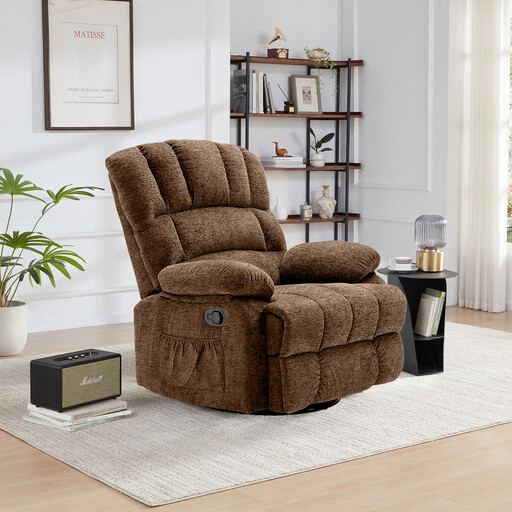
Why it stands out: This model combines multiple comfort features in one chair. The 360-degree swivel, gentle rocking motion, and adjustable reclining position make it a versatile recliner. The recline function is operated via a side handle. With its plush cushioning and wide seat, it is designed for superior comfort.
Advantages:
Who is it for? Individuals looking for a chair with maximum flexibility. The combination of swivelling, rocking, and reclining makes it ideal as a living room chair or a cosy reading chair.
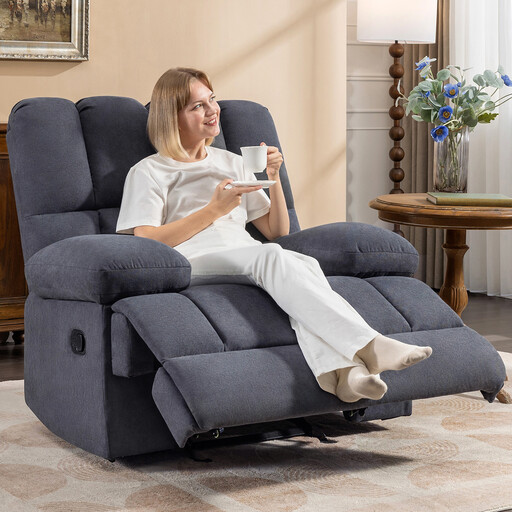
Why it stands out: This oversized recliner is specifically designed for individuals who value an extra-wide seat and a high weight capacity. The soft chenille fabric and lavish cushioning create an inviting seating experience. This manual recliner easily adjusts to a 150-degree reclining position via a pull tab and also features a rocking function.
Advantages:
Who is it for? Ideal as a heavy-duty recliner or for anyone who wants an especially spacious and sturdy rocker recliner.
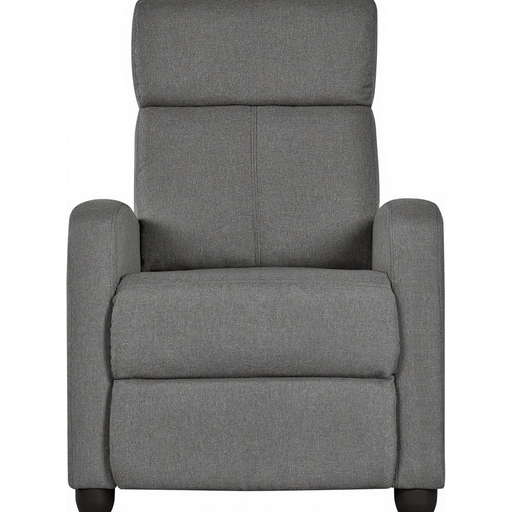
Why it stands out: This model from Yaheetech is a classic recliner with a simple, elegant design. It forgoes rocking or swivelling features, focusing instead on three stable relaxation positions: sitting upright, with legs elevated, or in a near-flat recline. Adjustment is made by applying light pressure to the backrest. The linen fabric upholstery gives it a modern yet timeless look.
Advantages:
Who is it for? Users who want a straightforward and stylish living room chair or reading chair without extra motion features and who appreciate a clean design.
The models presented here already cover a wide spectrum. If you haven't found the perfect fit for your individual needs or interior style, it's worth exploring other alternatives.
If you're looking for different designs, materials, or specific features, you're sure to find a suitable option for your home in our extensive collection of Indoor Chaise Lounges.
For a recliner designed for higher weight classes, three points are particularly important: a high weight capacity (ideally over 150 kg), a sturdy frame (often made of steel), and an extra-wide seat and backrest. Carefully check the specifications provided by the manufacturer.
Measure not only the space for the chair in its upright position but also consider the dimensions when fully reclined. As a rule of thumb, you should leave at least 50–60 cm of clearance between the back of the chair and the wall to allow the backrest to tilt completely. You can find the exact dimensions in the product details.
A manual recliner has several practical advantages over an electric model. It doesn't rely on a power outlet, so it can be placed more flexibly in a room. Additionally, its mechanism is simpler, which reduces the potential for malfunctions compared to electronic components.