
Lieferung heute & morgen

Qualitätsgarantie

Willkommens-Angebote freischalten: KOSTENLOSE Lieferung | Bis zu 80 % RABATT | Kostenlose 30-Tage-JoyPlus-Testphase
App herunterladen
A good rectangular baking pan is an indispensable tool in any kitchen. Whether for a moist chocolate cake, a crusty loaf of bread, or a savoury lasagna, the right pan often determines success or failure. But the market is flooded with products whose promises don't hold up in practice. A coating that wears off quickly or a pan that warps in the oven are common frustrations.
As your Joybuy Product Recommendation Officer, I'll help you separate the wheat from the chaff. In this guide, I'll show you which critical features to look for and how to avoid typical purchasing mistakes, ensuring your next baking pan is a worthwhile investment.
Many baking pans look robust and practical at first glance. However, their weaknesses often only become apparent after a few uses. Pay close attention to these three points to avoid disappointment:
To make the right choice, a look at the technical details is essential. These three parameters determine the durability and versatility of your new baking pan.
The base material has a direct impact on heat distribution and stability.
The surface finish is crucial for functionality and maintenance.
The name often reveals the primary purpose.
Here are some recommendations tailored to specific needs that meet the quality criteria mentioned.
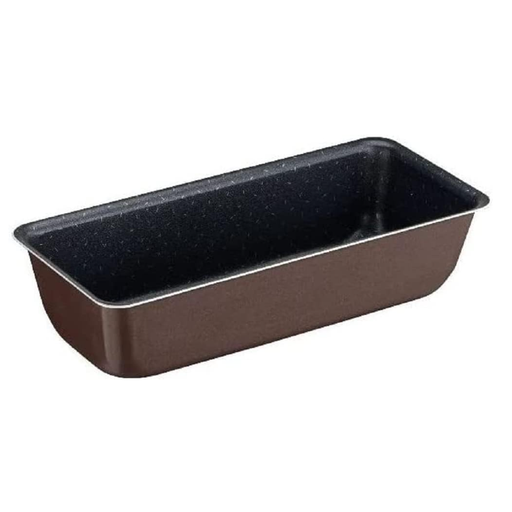
Why This Fits Their Persona: Ideal for home bakers looking for a straightforward and reliable pan for cakes, brownies, or small sheet-pan meals. The recycled aluminium construction ensures even heat distribution.
The reinforced ProBaking non-stick coating is designed for durability and makes cleaning easier. The aluminium material is warp-resistant and withstands deformation at standard household baking temperatures.
Even baking results due to the excellent heat conduction of aluminium; dishwasher-safe according to the manufacturer for convenient cleaning.

Why This Fits Their Persona: Perfect for ambitious bakers who regularly bake bread, especially with active sourdough. The pan is designed for large loaves up to 1500g and is engineered for durability under demanding conditions.
The glass-hard, enamelled base is explicitly sourdough-proof and cut-resistant. It withstands the acid and allows for cutting directly in the pan without damaging the surface. The thick steel material ensures maximum stability and prevents warping.
Extremely robust and durable enamel base; KAIRAMIC non-stick coating on the sides for easy release of the bread.
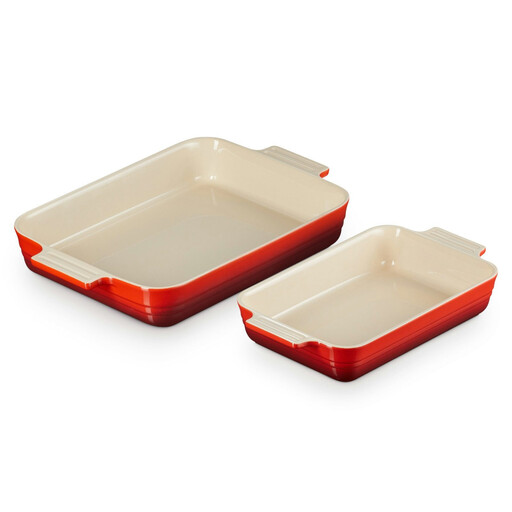
Why This Fits Their Persona: For home cooks who want a versatile and presentable dish for savoury oven meals like lasagna, gratins, or roasts. The set of two sizes offers flexibility for various occasions.
The solid stoneware is guaranteed not to warp. The enamel glaze is scratch-resistant, does not react with acidic foods, and is extremely easy to clean, solving the problems of short-lived coatings and material instability.
Excellent heat retention for even cooking and keeping food warm longer; odour- and flavour-neutral surface; temperature-resistant from -23°C to 260°C.
We have compiled a complete, up-to-date list of products that fully meet these strict selection criteria and German safety regulations.
Sourdough is naturally acidic. This acid can react with and attack unsuitable materials, such as simple sheet steel or low-quality coatings, during prolonged contact. A sourdough-proof baking pan, typically with an enamel or high-quality ceramic coating, is impervious to this acid. This not only protects the pan from corrosion but also ensures that no unwanted substances transfer to the bread.
To maximise the lifespan of a non-stick pan, you should follow a few basic rules. Always clean the pan by hand after it has cooled down, using warm water, a mild washing-up liquid, and a soft sponge. Avoid abrasive scouring pads or aggressive cleaning agents. Even if some manufacturers state they are dishwasher-safe, hand washing gently preserves the coating in the long run. Furthermore, never use metal utensils to release the cake from the pan or to cut inside it.
Generally, yes, but there are limitations. A loaf pan has higher sides and a smaller volume than a typical rectangular casserole dish. It is therefore well-suited for smaller portions or layered dishes. However, note that serving from the high, steep sides can be more cumbersome. For large-surface dishes like lasagna or a gratin that needs a beautiful crust, a shallower, wider casserole dish is the better choice.