
Lieferung heute & morgen

Qualitätsgarantie

Willkommens-Angebote freischalten: KOSTENLOSE Lieferung | Bis zu 80 % RABATT | Kostenlose 30-Tage-JoyPlus-Testphase
App herunterladen
As a Joybuy Product Recommendation Officer, I often see shoppers struggle when choosing specialty items like red bean paste pastries. The packaging may promise an exotic delight, but the product inside doesn't always live up to expectations. This guide is designed to help you avoid the common pitfalls and make an informed choice that matches your desire for authentic Asian sweets.
Before you make your selection, it helps to be aware of three common issues that can lead to disappointment:
To ensure you find the right product, you should check three objective criteria. This information is usually found in the detailed product descriptions.
A reliable indicator of quality and taste is the percentage of the filling. Manufacturers that provide transparent information, such as "Red bean paste filling ≥15%", offer a helpful guideline. A higher percentage generally promises a more intense and moist flavour experience. Products without this specification run the risk of being mostly dough.
To avoid the "texture surprise" mentioned above, it's important to identify the type of pastry. The most common varieties are:
A quick look at the ingredient list reveals its composition. Pay attention to:
Here are a few recommendations tailored to different needs and flavour profiles.
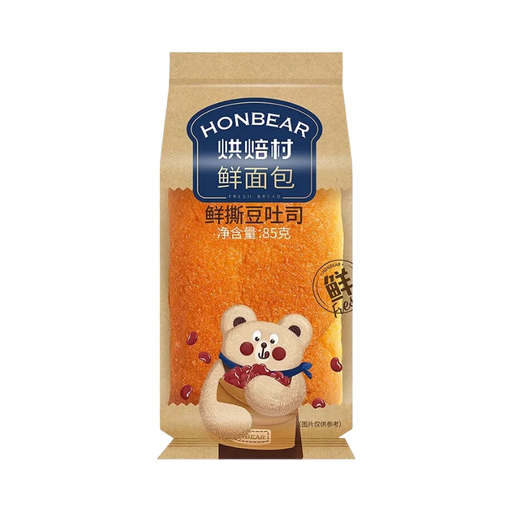
Why It's a Match: Ideal for those looking for a straightforward, individually wrapped red bean bread for breakfast or an on-the-go snack. The soft texture is very approachable and popular.
The product description clearly states a filling ratio of ≥15%. This provides transparency and prevents the "filling fallacy."
The combination of soft bread and sweet paste is a classic. According to the manufacturer, the flavour experience can be enhanced by briefly heating it (15 seconds in the microwave).
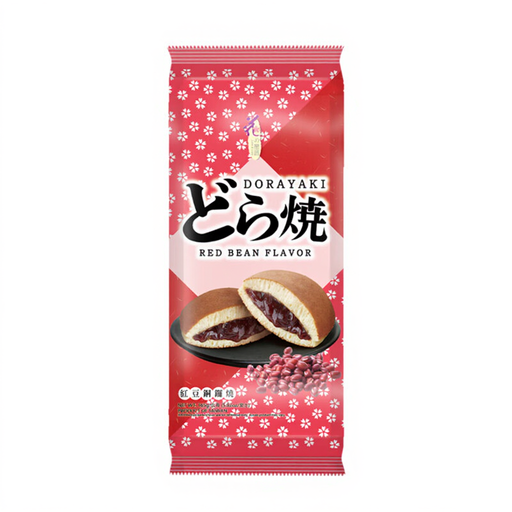
Why It's a Match: For anyone who specifically wants to buy dorayaki, the iconic Japanese snack. It's the classic choice for fans of anime or Japanese culture.
The product name "Dorayaki Cake" makes it clear that you can expect the pancake-like texture. The individual packaging of the three pieces ensures freshness until consumption.
Offers the authentic dorayaki experience with two soft patties and a red bean-flavoured filling. Ready-to-eat and convenient for a tea break.
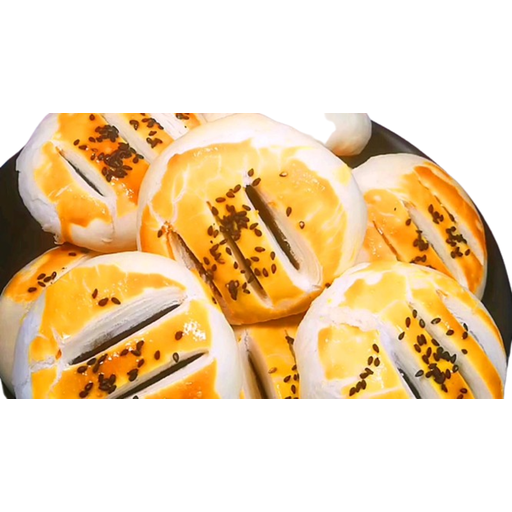
Why It's a Match: An excellent choice for connoisseurs who prefer a traditional, flaky red bean pastry in the Cantonese style, rather than a soft bread.
The "Hong Kong Style" description and mention of a "flaky crust" set the right expectation for the texture. With a filling ratio of 45%, it clearly avoids the pitfall of a sparse filling.
The multi-layered texture is made according to an authentic recipe and offers a refined flavour experience that pairs well with tea.
We have compiled a complete, up-to-date list of products that fully meet these strict selection criteria and quality standards.
1. How should I store opened red bean paste pastries? Most of these pastries are ready-to-eat and should be stored in a cool, dry place after opening, ideally in an airtight container. It is recommended to consume them within a few days to maintain freshness. Always follow the storage instructions on the packaging.
2. What is the difference between red bean paste and anko? Essentially, both terms refer to a sweet paste made from adzuki beans. Anko (餡子) is the Japanese term. There are different varieties, such as Tsubuan (with whole or chunky beans) and Koshian (a completely smooth, sieved paste). In common usage, the terms are often used interchangeably for red bean pastries.
3. Can you eat red bean pastries warm? Yes, red bean bread and similar soft pastries in particular often release their aroma even better when briefly warmed up. Some manufacturers explicitly recommend a short heating time in the microwave for about 10-15 seconds. Traditional, crumbly pastries, on the other hand, are typically eaten at room temperature.