
Lieferung heute & morgen

Qualitätsgarantie

Willkommens-Angebote freischalten: KOSTENLOSE Lieferung | Bis zu 80 % RABATT | Kostenlose 30-Tage-JoyPlus-Testphase
App herunterladen
If you want to buy red dates, you will find a range of products from German online retailers described as jujube, Chinese dates, winter jujube or dried fruit. The differences are not limited to size and price. Ingredients, whether the fruit is pitted, processing method, texture and intended use are all important factors.
The term “red date” can also cause confusion: botanically, Chinese jujubes are not the same type of fruit as North African Deglet-Nour dates. Both are sold dried, but they taste and feel different.
Some products consist solely of dried jujube. Others also contain sugar, syrup, oil, salt or additional ingredients. For example, Changsi Ejiao Royal Jujube 227 g combines red dates with sucrose, glucose syrup and donkey-hide gelatine. This is not a pure fruit product and is not necessarily suitable for a vegan or vegetarian diet.
So always check the ingredients list. For the simplest possible choice, look for descriptions such as “100% jujube” or “100% dried red dates”. The nutritional table should also be taken into account: because water is removed during drying, dried fruit usually contains a high amount of carbohydrates and natural sugars per 100 g.
If you are looking for red dates to snack on or take with you, you will often prefer pitted red dates. They save time and are easier to use in porridge, desserts or baking. Whole fruits with stones, on the other hand, can be useful for tea and soups when they are going to be cooked or soaked anyway.
A product containing stones should be clearly labelled. Hao Xiang Ni Ready-to-Eat Red Dates 900 g contains whole dates with stones, supplied in 30 individual portions. For children or direct use in muesli and baking mixes, whether the fruit is pitted is a particularly important point to check.
Not every jujube is soft and juicy. Depending on the variety and storage conditions, traditionally dried Chinese dates have a chewy to firm texture. Crunchy dates, by contrast, are generally processed with oil using a special drying or frying method. This can significantly alter their nutritional values.
The ingredients list for Bestore Crispy Winter Jujube 208 g names winter jujube at a proportion of over 60%, along with palm oil. The nutritional information states that the product contains 26.9 g of fat per 100 g. It is therefore more of a crunchy snack than a natural dried-fruit product. With crunchy varieties, always read the ingredients list and nutritional information rather than relying solely on terms such as “light” or “natural”.
Three details are particularly useful when comparing products:
Pure jujube products such as Fang Jia Puzi Dried Red Date Slices 200 g and Fang Jia Pu Zi Pitted Red Dates 500 g each list a single fruit ingredient. The slices can be used directly in tea, soups, porridge and baked goods. Pitted fruit is more convenient when quick preparation is important.
The format affects how the product can be used:
Pay attention to the preparation instructions on the packaging. HEYU Premium Jujube 800 g is explicitly described as requiring cooking and should be thoroughly washed and cooked before consumption. Such instructions take priority over general assumptions about dried dates.
Packs between 168 and 280 g are manageable for a first taste test. Households that use red dates regularly can choose 454 g, 500 g, 800 g or 1 kg. Individual portions, as supplied with the Hao Xiang Ni product, can make storage and carrying easier, but they do create more packaging waste.
Dried red dates should generally be stored in a cool, dry place away from direct sunlight. After opening, an airtight container is recommended. Moisture can alter the texture and shorten the product’s shelf life after opening. The best-before date and the instructions on the relevant packaging remain the deciding factors.
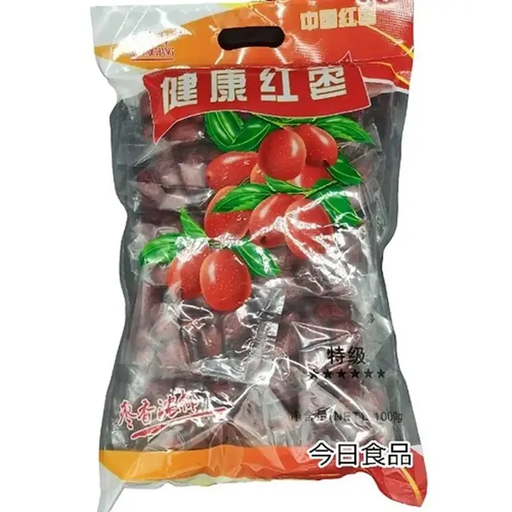
Why this product suits this profile: The 1 kg pack is aimed at households that want to use red dates regularly in tea, soups, porridge or desserts.
The product details state that it contains 100% dried red dates, with no additional sweeteners listed in the ingredients. This makes the composition easy to understand.
1 kg contents, medium-sized fruit and versatile uses according to the product description; origin: China.
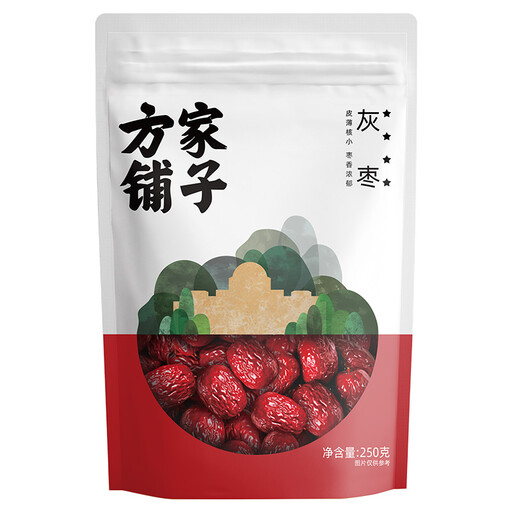
Why this product suits this profile: According to the product information, the 250 g pack contains 100% dried Loulan jujube and is intended for snacks, tea, soups and baked goods.
The ingredients are specified as 100% Loulan jujube. Instructions to reseal the pack after opening help preserve the stated soft texture.
Pure ingredient, 250 g contents, suitable for eating straight away and listed for several preparation methods.
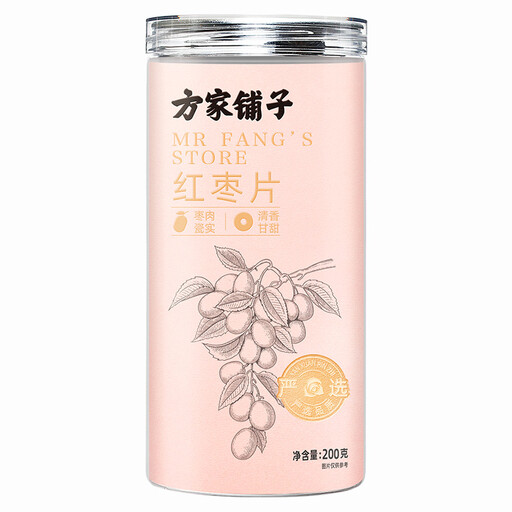
Why this product suits this profile: Pitted Chinese jujubes in a 500 g pack are ideal for people who frequently cook, bake or prepare dates for tea and soups.
Removing the stone reduces preparation steps and the risk of encountering hard stones when slicing or soaking the fruit.
500 g contents, pitted, made from 100% dried grey jujube and, according to the product information, suitable for snacks and hot dishes.
Deglet-Nour dates typically come from North Africa and are often sold soft and pitted, either as a snack or a baking ingredient. For example, Seeberger offers pitted Deglet-Nour dates in 200 g and 500 g packs. These products should not be confused with Chinese jujubes.
Jujubes often have a fruitier flavour and may be firmer or meatier, depending on the variety. Chinese dates are often the better choice for traditional Chinese recipes, tea and soups. For muesli, energy balls or a convenient snack portion, pitted Deglet-Nour dates may be more practical.
In German shops, red dates are often described as jujube or Chinese dates. North African Deglet-Nour dates, however, belong to a different fruit species. Before buying, compare the origin, product name and ingredients list.
Many products are ready to eat. If the fruit contains stones, they must be removed before eating. Some products are also specifically intended for cooking. The precise instructions for use on the packaging are therefore essential.
The best-before date is printed on the packaging. After opening, the practical shelf life depends on moisture, temperature and packaging. An airtight container kept in a cool, dry place helps preserve the texture and flavour.