
Lieferung heute & morgen

Qualitätsgarantie

Willkommens-Angebote freischalten: KOSTENLOSE Lieferung | Bis zu 80 % RABATT | Kostenlose 30-Tage-JoyPlus-Testphase
App herunterladen
In the culinary world, the colour red often evokes associations with intense flavours—from fruity strawberries to savoury spices. Whether you are searching for authentic Asian specialities, ingredients for your next cake, or a colourful accent for your kitchen, the selection is vast. However, not everything that shines red lives up to its promise. Before making a purchase, it helps to know some common pitfalls to avoid disappointment.
This guide highlights critical points when selecting red food products and kitchen items, and provides practical advice on what to look for.
To make an informed decision, it is advisable to check three central aspects. These will help you objectively assess a product's quality and suitability.
For food products, the ingredients list is crucial. Look specifically for the source of the red colour.
For enthusiasts of products like moon cakes or pastries with red bean paste, the origin and manufacturer details are insightful. A product made in Asia often adheres more closely to traditional recipes than a version adapted for the European market. Pay attention to the place of manufacture and the distributor to get an idea of the flavour profile.
For red bakeware, the material is crucial for functionality and durability.
Here you will find a selection of products tailored to different needs and use cases.
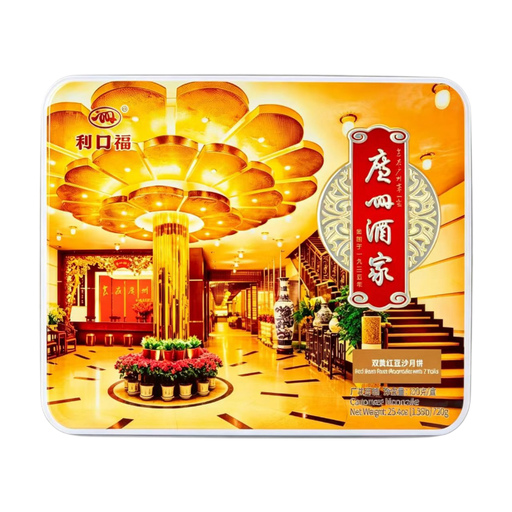
Why This Fits Their Persona: Ideal for occasions like the Mid-Autumn Festival or as a special gift. This product is aimed at individuals who appreciate the classic Cantonese flavour of moon cakes with a filling of red bean paste and salted egg yolk.
The product avoids the pitfall of vague authenticity through the clear branding of Guangzhou Restaurant, which is renowned for Cantonese baked goods. The origin and traditional recipe are clearly declared.
A combination of sweet, smooth bean paste and the salty counterpoint of two egg yolks. It comes in a high-quality gift box.
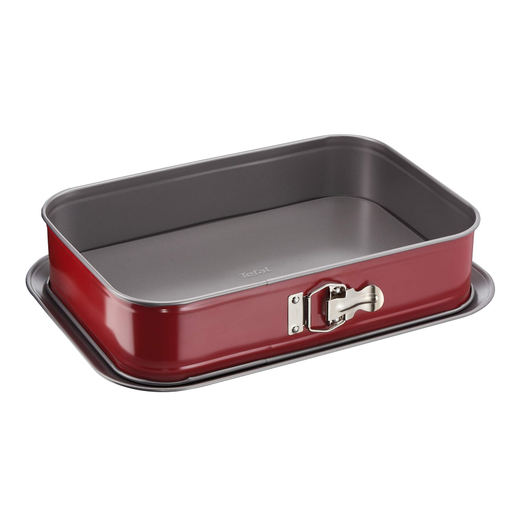
Why This Fits Their Persona: This baking pan is designed for home bakers looking for functional and reliable red bakeware. It is suitable for a variety of cakes, brownies, and sheet pan meals.
This product addresses the pitfall of poor quality by using robust carbon steel and a reliable non-stick coating. The extended rim also prevents batter from overflowing in the oven.
The removable base makes it significantly easier to release baked goods. The non-stick coating ensures easy cleaning.

Why This Fits Their Persona: This red storage canister set is for individuals who want to keep their kitchen not only tidy but also stylish. It offers a coordinated storage solution for tea, coffee, and sugar.
Instead of cheap plastic or thin metal, this set uses robust, scratch-resistant enamel. This prevents the problem of rapid wear and tear and ensures a long-lasting, high-quality appearance.
The satin-finished stainless steel lids provide a secure seal thanks to the ribbed edge, keeping the contents fresh. The material is also water-resistant and easy to clean.
We have compiled a complete, up-to-date list of products that fully meet these strict selection criteria and all relevant regulations.
1. What is red bean paste and what does it taste like? Red bean paste, also known as adzuki bean paste, is a sweet paste widely used in East Asian cuisine. It is made from adzuki beans that are boiled and then processed with sugar into a smooth or chunky mass. The flavour is mildly sweet with a slightly nutty, earthy note. It is a typical filling for pastries such as dorayaki, moon cakes, or steamed buns.
2. Is red cake glaze always vegan? No, red cake glaze is not necessarily vegan. Many products use Carmine (E120) as a colouring, which is derived from cochineal insects and is therefore of animal origin. However, vegan alternatives are available that use plant-based gelling agents like carrageenan and colourings from beetroot or other plants. A look at the ingredients list will provide clarity.
3. How do you properly care for non-stick bakeware to make it last longer? To maximise the lifespan of a non-stick coating, a few points should be followed. Clean the pan by hand with a soft sponge and mild dish soap, rather than putting it in the dishwasher. Avoid using metal utensils or knives in the pan, as they can scratch the surface. Instead, use tools made of wood, silicone, or plastic. Store the pans in a way that other pots or pans cannot damage the coating.