What should you look for when buying?
First, check that your serving bowl fits and is easy to handle inside the microwave. Then compare the controls and available space. Extra features only matter if you’ll use them for other dishes, too.
| What you need |
What to check before buying |
Who is it important for? |
| Thoroughly reheating dal |
Adjustable power levels and controls that let you pause and resume; stir the dal part-way through and check its temperature. |
If I’m reheating dal for guests, I want to heat it in stages and make sure it’s thoroughly heated throughout. Around 36% of consumers are likely to put this first when buying. |
| Serving bowl fit |
Compare the bowl’s width, height and handles with the cavity and turntable. For a flatbed, check the usable surface area, too. |
If I’m bringing a large or square bowl, I want to avoid transferring the food if possible. Around 29% of consumers are likely to pay particular attention to whether it fits. |
| Available space and ease of use |
Check the external dimensions, door opening, required ventilation gaps and controls of the exact model. |
If I have limited worktop space, I want an appliance whose dimensions and controls suit my everyday needs. This is likely to be the priority for around 21% of consumers. |
| Cleaning and ongoing running costs |
Compare the cleaning instructions and, where applicable, standby power consumption. The output power alone doesn’t tell you the appliance’s overall electricity consumption. |
If the dal splatters, I want to be able to reach dirty surfaces easily and get an idea of the ongoing costs. This is likely to be the main concern for around 14% of consumers. |
Joybuy products for reheating dal
This selection of Joybuy products includes compact microwaves with turntables and a combination model with a flatbed cavity. Compare the dimensions of your actual dish and the installation requirements with those of the model you’re considering. Before buying, also check the product’s identity and compliance information; a CE marking is not an independent quality mark.
 No image available
Severin MW 7580 solo microwave
For reheating individual portions, provided the bowl fits on the turntable and is easy to reach when stirring.
19 l cavity, 700 W, six power levels and a turntable, according to the product name.
Stir the dal part-way through and check its temperature. Keep it chilled until you reheat it.
View at Joybuy
 No image available
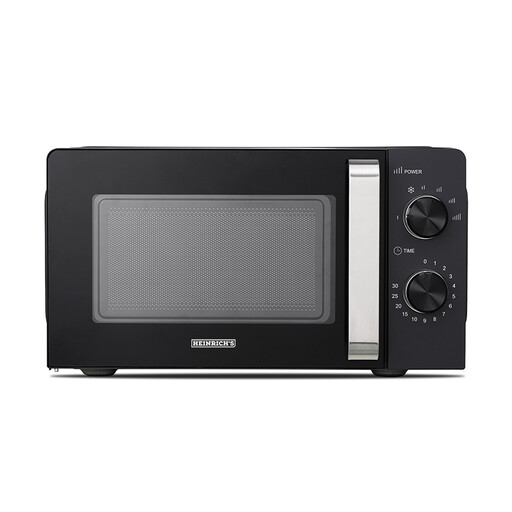
Heinrich's compact solo microwave, 20 l
A compact solo model for modest portions, provided the bowl fits, including its height and handles.
20 l, 700 W, six power levels, a 30-minute timer, defrost function and turntable, according to the product name.
Stir the dal as it heats in stages, and check its temperature.
View at Joybuy
 No image available
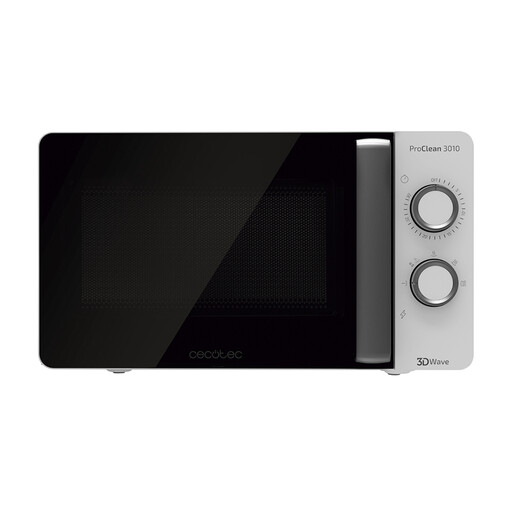
Cecotec worktop microwave, 20 l
For worktop use and reheating individual portions, provided the cavity and controls suit your bowl and the space available.
20 l, 700 W and six power levels, according to the product name. The product name also mentions a Ready2Clean coating.
A coating description doesn’t remove the need to clean the microwave after use, or to stir and check the dal as it heats.
View at Joybuy
 No image available
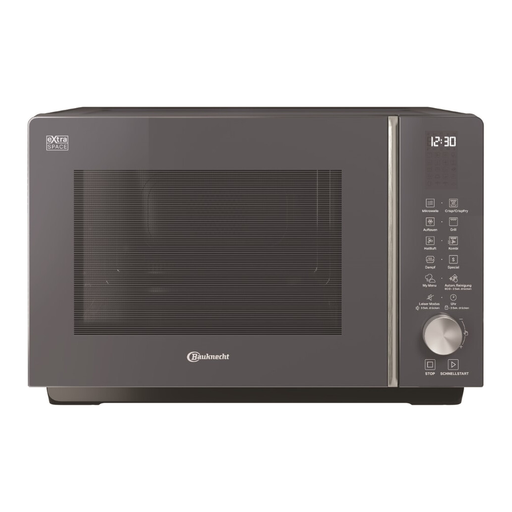
Bauknecht MF 259 SG combination microwave
The flat cavity without a turntable can provide space for square dishes, provided they fit inside.
25 l cavity; the product name describes it as a combination model without a turntable.
Extra features aren’t necessary for simply reheating dal. Stir it and check the temperature, whatever programme you use.
View at Joybuy
 No image available
Heinrich's HMW 8858 Titan, 20 l
A compact microwave for reheating individual portions, provided the turntable and cavity fit the bowl you’re bringing.
20 l and 700 W, according to the product name.
Before buying, compare your bowl’s dimensions with those of the exact model. You’ll still need to check the temperature when reheating.
View at Joybuy
Frequently asked questions
How can I safely reheat pre-cooked lentil dal for guests?
Cool the prepared dal promptly and keep it chilled until you reheat it, including during transport. Stir it part-way through when reheating in the microwave. The Federal Institute for Risk Assessment recommends heating food to at least 70 °C throughout for at least two minutes. If you’re keeping the dal hot before serving, the BfR recommends keeping it at a minimum of 60 °C throughout. These are food safety recommendations, not a guarantee that an automatic programme will reach those temperatures.
Can I put the container I used to transport the dal straight into the microwave?
Only if that specific container is suitable for microwave use and for the temperatures and power levels you intend to use. Follow the instructions for use; suitable glass or ceramic dishes may be alternatives. Don’t heat dal in a sealed container.
What should I bear in mind when positioning and cleaning a microwave?
Before choosing a spot, check the positioning and ventilation instructions for the exact model. A removable turntable and a flatbed cavity are handled differently, but both need cleaning if they get dirty. If you notice damage to the door, the Federal Office for Radiation Protection recommends contacting the customer service team.
Does a higher wattage automatically mean lower running costs?
No. A microwave’s output power isn’t the same as the appliance’s total electricity consumption. The German Environment Agency recommends checking energy use and standby consumption. According to its buying guide, microwaves don’t have an energy label. Its advice on efficiently reheating small portions doesn’t necessarily apply to a large bowl of dal.
What are the rules in Germany on CE marking and claims if a product is faulty?
For electrical appliances covered by the relevant legislation, a CE marking is the manufacturer’s declaration that the product meets EU requirements; it isn’t an independent quality mark. As part of market surveillance, the Federal Network Agency checks details including product labelling and identity. If a new purchase is faulty, you generally have statutory rights against the retailer; the German Federal Government states that these rights last for two years. Any additional manufacturer’s guarantee is separate.


